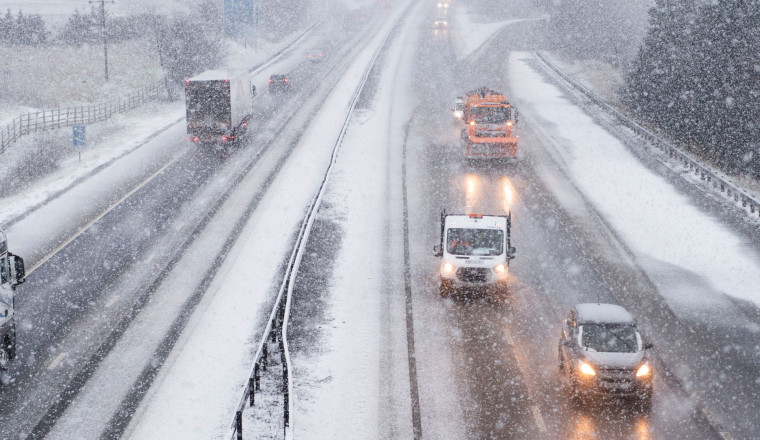

Temperatures have plummeted across the UK, as many parts of the country experience their first winter snow.
There are Met Office amber and yellow warnings for snow and ice over the coming days. Drivers in Scotland, Wales and Northern Ireland will be particularly affected.
The following tips deal with driving safely in the snow. For further reading, Motoring Research has also published guides on preparing your car for cold weather and whether UK drivers should fit winter tyres.
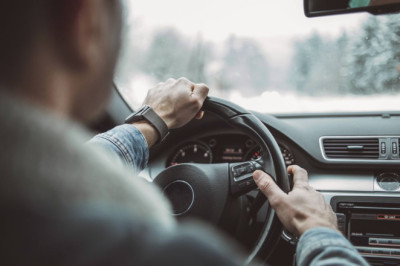
If you need to venture out in sub-zero conditions on the road, it’s vital to be prepared and drive accordingly. Here are our top 10 tips for driving safely in the snow:
Ten Practical Tips for Driving in Snowy Conditions
With the Met Office issuing weather warnings across the UK, winter driving once again becomes a test of judgement rather than bravery.
-
Decide if the journey is necessary
The safest snow drive is the one you do not make. If conditions are severe and the trip is not essential, waiting is often the most sensible option. -
Clear the entire car, not just the windscreen
Snow left on the roof can slide forward under braking and blind you. Clear the lights, mirrors and number plates as well. Visibility is a legal requirement, not a courtesy. -
Check tyres before you move
Tread depth matters far more in snow than in the dry. If conditions are frequent, winter tyres make a measurable difference. Summer tyres with marginal tread will struggle for grip. -
Pull away gently in a higher gear
Using second gear reduces wheelspin and helps the car move off smoothly. Sudden throttle inputs are the fastest way to dig yourself in. -
Keep inputs smooth and deliberate
Steering, braking and acceleration should be progressive. Abrupt movements overwhelm the limited grip available and provoke slides that are hard to recover. -
Increase following distances significantly
Stopping distances in snow can be several times longer than on dry tarmac. Leave enough space to react without panic braking. -
Brake early and lightly
Modern ABS helps, but physics still applies. Begin braking far sooner than normal and apply pressure gently to maintain control. -
Avoid hills where possible
Getting stuck usually starts on an incline. If you must tackle one, maintain steady momentum rather than trying to power your way up. -
Know how to rock the car free
If you lose traction, ease off and gently alternate between forward and reverse gears to build momentum. Spinning the wheels only makes the problem worse. -
Carry basic winter essentials
A shovel, warm clothing, gloves and a charged phone can turn an inconvenience into a manageable delay. Snow rarely gives notice, but it always gives consequences.
Snow driving rewards patience and preparation. The goal is not to make progress quickly, but to arrive without incident. When conditions deteriorate, restraint is the most valuable driving aid you have.
ALSO READ:
How to pass a road gritter without damaging your car
How to improve your vision when driving in the dark
The best new cars to buy in 2026
World Car of the Year 2026: the finalists revealed
Drivers turned off Tesla by Musk’s trillionaire pay package
Two thirds of car leasing customers chose a hybrid or EV in 2025
Wunderbar! Volkswagen brings back buttons for electric ID. Polo