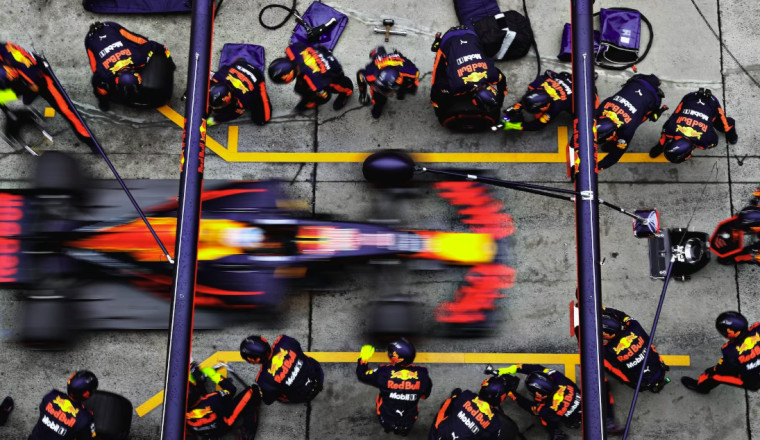

Formula 1 is synonymous with jaw-dropping engineering and staggering budgets, but few people know just how expensive one of the smallest pieces on the car can be: the wheel nut. These aren't your everyday lug nuts. Modern F1 wheel nuts cost close to $1,000 each and are often used just once before being replaced.
Why so pricey? It comes down to precision, materials, and safety. Machined from lightweight aluminium alloys to exacting tolerances, each nut is x-rayed and anodised to ensure flawless quality. They must withstand the immense torque delivered by air guns spinning at thousands of RPMs, locking and unlocking wheels in under two seconds without fail. Any tiny crack or deformation risks a disastrous pit stop or worse, a wheel failure on track.
Teams could theoretically reuse wheel nuts, but the risk isn’t worth the cost savings. Aluminium doesn’t handle repeated high torque well, and once a nut shows even the slightest wear, it’s out. Pit stops are a fraction of a second battle fought by hundreds of components working perfectly in unison ... this nut is a linchpin. Fail here, and the result can cost a race or even a championship.
Each car gets 13 tyre sets per race weekend, meaning 52 wheel nuts per car, and with practices, qualifying, and the race, potentially over 200 nuts filter through a team’s garage every weekend. It’s part of why an F1 team might spend over $50,000 on wheel nuts alone at a single race.
There was a time when mechanics swung hammers to knock nuts loose, and different designs with multiple studs made pit stops slower and clumsier. Today, the single centre-lock nut, coupled with a custom air gun, streamlines the process with surgical precision. Yet, the complexity and cost reflect just how far F1 engineering has come and how meticulous these teams must be.