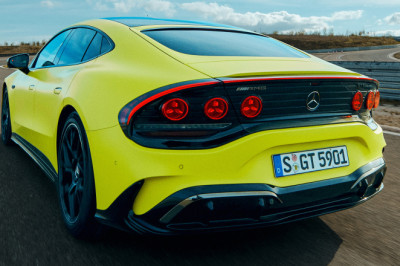

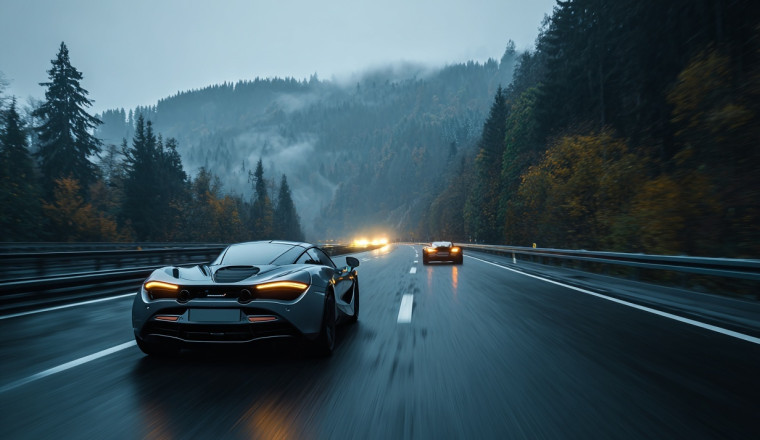

Slip behind the wheel on Germany's A9 near Nuremberg and the speed restriction signs vanish. A ribbon of smooth concrete for 93 miles streaches out toward Berlin. The Autobahn lives up to legend. Drivers in Porsches and Audis bury throttles as the needle touches 200 mph and more.
This freedom spans over 800 miles of derestricted sections across 8,000 miles total. Born in the 1930s as Reichsautobahnen, the system prioritizes flow over caps. Trucks crawl at 80 km/h max. Cars face an advisory 130 km/h "Richtgeschwindigkeit," but exceed it legally on clear stretches. Variable signs flash limits in rain or rush hour. Dry, empty slabs? Floor it.
Petrolheads pilgrimage for the thrill. Hypercars like the Bugatti Chiron top 300 km/h in tests. Average speeds hit 140 km/h where limits lift. Fatality rates stay low at 2.7 per billion kilometers, thanks to strict licensing, no distractions and emergency lanes every two kilometers. Cameras nail tailgaters, not speeders.
Critics push blanket 130 km/h caps for climate and safety. Politicians balk. Mercedes tests Level 3 autonomy at 95 km/h here first. Yet the core endures: drive what your car handles, stay right unless passing, signal bold moves.