

The core appeal of NASCAR lies in its combination of speed, strategy, and driver skill, making it a dynamic sport that consistently draws large audiences both at the tracks and through live broadcasts. Fans follow detailed race results, driver standings, and season schedules to stay engaged with the ongoing championship battles.
With a rich history and continuous updates on races, news, and statistics, NASCAR offers a comprehensive motorsport experience. Lifelong enthusiasts and new followers alike find value in tracking the intense competition and evolving storylines across each racing season.
What Is NASCAR?
NASCAR is a key organization that governs stock car racing in North America. It operates multiple race series and hosts events that attract millions of fans. The sport combines high-speed competition with strategic elements spread across a full season schedule.
History of NASCAR
NASCAR was founded in 1948 in Daytona Beach, Florida. It arose from the popularity of stock car racing in the Southeastern United States. The organization standardized rules and safety measures, helping the sport grow nationally.
Over the decades, NASCAR expanded its reach beyond the South, adding diverse tracks including superspeedways, short ovals, road courses, and even street circuits. Notable drivers like Richard Petty, Dale Earnhardt, and Jimmie Johnson have shaped its legacy, each winning seven championships. NASCAR's evolution reflects advances in automotive technology and fan engagement.
NASCAR's Mission and Purpose
NASCAR's mission is to promote stock car racing and maintain its integrity and safety. It sanctions over 1,500 races annually across more than 100 tracks in the U.S. and Canada. The organization works to balance competition, entertainment, and technological progress.
It also supports teams, drivers, sponsors, and the racing community through consistent regulations and an evolving competition format. These efforts aim to keep the sport competitive and relevant, while fostering fan loyalty and industry growth.
How NASCAR Races Work
NASCAR races mostly occur on oval tracks, ranging from short tracks under a mile to superspeedways over two miles long. Events feature multiple stages, with points awarded for stage finishes and overall placement. This encourages aggressive racing and strategic pit stops.
Races vary by series but typically involve hundreds of laps. Drivers earn points that contribute to season-long championships. The format rewards consistency and skill, making each race critical for drivers aiming for titles like the prestigious NASCAR Cup Series championship.
Major NASCAR Series
NASCAR operates several key national racing series, each with distinct vehicles, formats, and competition levels. The three main series focus on stock car racing but vary in vehicle design and driver experience.
NASCAR Cup Series
The NASCAR Cup Series is the premier level of stock car racing. Established in 1948, it features the most skilled drivers and the most advanced cars. Races typically last 300 to 600 miles, held on a variety of track types, including superspeedways, short tracks, and road courses.
This series uses high-horsepower cars that are highly regulated for safety and competitive balance. The season includes playoffs that determine the overall champion among the top-performing drivers. It is the most watched and lucrative NASCAR series.
NASCAR Xfinity Series
The Xfinity Series is considered the second tier in NASCAR, acting as a stepping stone to the Cup Series. It features slightly less powerful cars and emerging talent, though some established Cup drivers also compete selectively.
Races are shorter than the Cup Series and provide a platform for new drivers to showcase skills before advancing. The series has its own playoff system and championship. It balances competitiveness with development, drawing attention from both fans and sponsors.
NASCAR Craftsman Truck Series
The Craftsman Truck Series features racing with modified pickup trucks. It is distinct in both vehicle style and race dynamics compared to the Cup and Xfinity Series. This series often serves as a gateway for younger drivers transitioning from grassroots racing.
Trucks in this series maintain a different aerodynamic profile and are raced mainly on short tracks and intermediate ovals. It combines aggressive, close-quarters racing with opportunities for driver development. The series has its own playoff structure and championship awards.
Key Teams and Drivers
NASCAR features a range of teams and drivers who have shaped its history and continue to influence the sport today. Some teams dominate with multiple championships, while legendary drivers have left an indelible mark on racing culture. Meanwhile, several current drivers are making significant strides in the Cup Series.
Here are the main current NASCAR Cup Series teams and some of their key drivers as of the 2025 season.
Top multi‑car teams
-
Hendrick Motorsports – Kyle Larson, Chase Elliott, William Byron, Alex Bowman.
-
Joe Gibbs Racing – Denny Hamlin, Christopher Bell, Ty Gibbs, Chase Briscoe.
-
Team Penske – Joey Logano, Ryan Blaney, Austin Cindric.
-
23XI Racing – Tyler Reddick, Bubba Wallace, Riley Herbst.
-
Trackhouse Racing – Ross Chastain, Daniel Suárez, Shane van Gisbergen.
Other notable organizations
-
RFK Racing – Chris Buescher, Ryan Preece
-
Richard Childress Racing (RCR) – Kyle Busch, Austin Dillon.
-
Front Row Motorsports – Zane Smith, Noah Gragson, Todd Gilliland.
-
Stewart–Haas’ successors/related entries are being reshuffled across teams, feeding drivers like Chase Briscoe and Noah Gragson into new seats for 2025.
How this list is scoped
-
Focus is on full‑time NASCAR Cup Series teams and their headline drivers in 2025, not part‑time or lower‑series‑only entries.
-
Lineups can change mid‑season, so checking the latest entry lists or standings before each race gives the most up‑to‑date roster.
Most Successful NASCAR Teams
Hendrick Motorsports is one of the most successful teams in NASCAR history, known for multiple championships and consistently strong performances. They maintain a stable of competitive cars and top-tier drivers, often fielding four entries in the Cup Series. Joe Gibbs Racing is also a formidable team, with several Cup Series titles and strong manufacturer partnerships, primarily with Toyota.
Richard Childress Racing and Team Penske are other historic teams with notable success. Penske has expanded its presence steadily and remains competitive in all NASCAR national series. These organizations have built reputations for strong engineering, strategic pit stops, and driver development, helping them remain at the sport’s forefront.
Legendary Drivers
Richard Petty, known as "The King," holds the record for the most Cup Series wins with 200 career victories. His influence helped define NASCAR’s early years. Dale Earnhardt Sr., nicknamed "The Intimidator," is celebrated for his aggressive driving style and seven Cup Series championships.
Other legends include Jeff Gordon, who brought the sport broader national appeal with four championships and 93 wins, and David Pearson, whose consistency made him a top champion in the 1960s and 1970s. These drivers established styles and legacies still revered by fans and professionals alike.
Current Standout Drivers
In the 2025 NASCAR Cup Series, Chase Elliott remains one of the leading drivers with a strong record of wins and top finishes. He drives for Hendrick Motorsports and is known for his strategic racing and consistency. Kyle Larson, also with Hendrick, has a reputation for versatility across different tracks and strong racecraft.
William Byron, Denny Hamlin, and Joey Logano continue to show high performance levels, regularly competing for wins and playoff spots. These drivers combine experience and talent, steering their teams through a highly competitive NASCAR landscape. Their progress and adaptability suggest potential for future championships.
NASCAR Races and Events
NASCAR hosts several key races at iconic tracks throughout the season. These events are marked by large audiences, high speeds, and significant competition among top drivers. Each venue brings a unique challenge with distinct layouts and atmospheres.
Daytona 500
The Daytona 500 is NASCAR’s most prestigious event, held annually at Daytona International Speedway. It marks the official start of the Cup Series season and draws massive viewership.
The race covers 500 miles on a 2.5-mile tri-oval track. Known for its speed and frequent drafting battles, it demands strategic pit stops and strong teamwork. Winning here is often seen as a defining achievement in a driver’s career.
This event also includes pre-race activities like the Bluegreen Vacations Duel qualifying races and the Busch Clash exhibition event.
Talladega Superspeedway
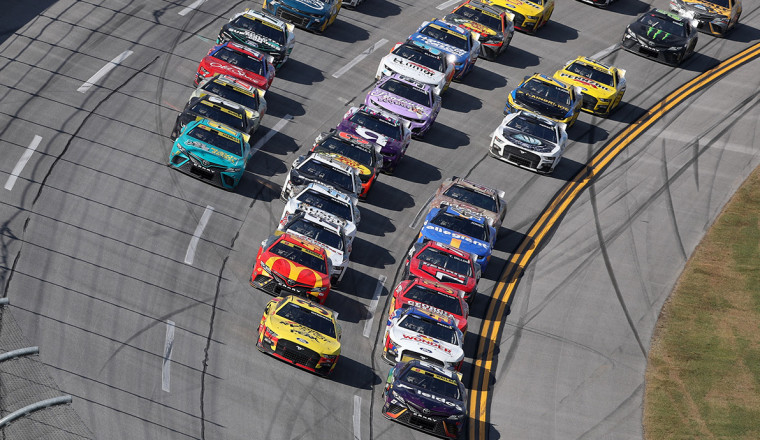
Talladega Superspeedway is famous for its steep banking and long 2.66-mile tri-oval track, the longest in NASCAR. The track produces intense pack racing due to restrictor plates, which limit engine power.
Races here are unpredictable, with frequent multi-car crashes known as "The Big One." Drivers must balance aggression with caution to navigate traffic safely.
Talladega hosts two Cup Series races annually, and its high speeds often set records for NASCAR events. The venue is also a popular destination for fans because of its large capacity and festive race-day atmosphere.
Other Notable Events
Besides Daytona and Talladega, NASCAR’s schedule features important races at tracks like Homestead-Miami, Richmond, and Nashville Superspeedway.
- Homestead-Miami Speedway hosts season-ending playoff races with high stakes for championship contenders.
- Richmond Raceway offers a 0.75-mile short track with night races, emphasizing driver skill and strategy.
- Nashville Superspeedway is gaining attention for its competitive racing environment and increasing fan engagement.
These events contribute to a diverse and challenging calendar, testing drivers in different settings, from superspeedways to short tracks.
Race Tracks and Venues
NASCAR races take place on a diverse set of tracks, each with unique characteristics that influence competition and strategy. These venues range from expansive superspeedways to compact short tracks and complex road courses, all playing distinct roles in the sport.
Types of NASCAR Tracks
NASCAR tracks fall mainly into four categories: superspeedways, intermediate ovals, short tracks, and road courses. Superspeedways like Daytona International Speedway and Talladega Superspeedway are the longest, often over 2 miles, allowing high speeds and drafting tactics.
Intermediate ovals range between 1 and 2 miles in length and dominate the schedule. They offer a balance of speed and technical driving, making them critical for championship points.
Short tracks are typically under 1 mile, focusing on close-quarters racing and physicality. Road courses feature multiple turns and elevation changes, challenging drivers with braking and handling skills not as emphasized on ovals.
Iconic NASCAR Venues
Daytona International Speedway is the most famous NASCAR venue, hosting the season-opening Daytona 500. It features a 2.5-mile tri-oval and holds a massive fan capacity.
Martinsville Speedway is the shortest track on the Cup Series schedule at 0.526 miles, known for its tight, paperclip-shaped layout. It demands patience and aggressive driving.
Other notable venues include Talladega Superspeedway, the fastest track with a length of 2.66 miles, and Road America, a 4-mile road course that tests driver versatility. Each track contributes its own culture and challenge to NASCAR’s varied schedule.
Car Design and Technology
NASCAR cars are engineered with a precise focus on aerodynamics, durability, and safety. The combination of advanced materials, innovative design, and real-time technology ensures these vehicles perform at high speeds while protecting the driver.
Chassis and Body Specifications
The chassis is built on a steel tube-frame foundation, providing essential strength and rigidity. This design supports the car's weight and withstands high g-forces during races. The steel frame also serves as a safety cage around the driver.
The car’s body emphasizes aerodynamic efficiency. Smooth contours and carefully shaped panels reduce drag and increase downforce. These adjustments help maintain speed and stability through NASCAR's predominantly oval tracks.
Materials have evolved from heavy steel to lighter composites where regulations allow. However, the core structure remains focused on robustness over weight reduction to balance performance and safety.
Safety Innovations
Safety has advanced steadily with innovations like energy-absorbing barriers and improved seat designs. The roll cage structure is reinforced extensively to protect drivers against impacts and rollovers.
NASCAR cars feature specialized seats with head and neck support systems that reduce injury during collisions. Fire-retardant materials and on-board fire suppression systems add layers of protection.
Driver helmets now incorporate communication systems and sensors to monitor health conditions. These features allow teams to respond immediately to any signs of distress, enhancing driver safety throughout the race.
Recent Technological Developments
The introduction of the Next-Gen car in 2022 marked a significant technological leap. It features modular components for easier repairs and updates. The design integrates larger wheels and a new suspension system for better handling.
Advanced telemetry systems provide teams with real-time data on engine health, tire performance, and aerodynamics. This information helps optimize race strategy and car tuning.
Additionally, NASCAR has increased the use of standardized parts to reduce costs and promote competition. The focus on technology transfer means some innovations later influence consumer vehicles, showing the sport’s broader impact.
Fan Culture and Community
NASCAR's fan culture is defined by a strong sense of connection to the sport and its traditions. Fans engage deeply through both the on-site experience and various digital platforms, creating a robust community that extends beyond race day.
NASCAR Fan Experience
The NASCAR fan experience is immersive and multi-faceted. Before races, fans participate in tailgating events, which are characterized by grilling, socializing, and sharing enthusiasm for their favorite drivers. This pre-race ritual fosters a communal atmosphere that strengthens bonds among attendees.
Social media platforms and interactive gaming have expanded how fans engage with the sport. Online communities allow fans to discuss races, share content, and connect globally, supplementing the live experience. This combination of physical presence and digital interaction helps maintain fan loyalty in a changing sports landscape.
Popular Traditions
Several traditions distinguish NASCAR's fan culture. Tailgating remains a signature activity, often described as a "festive ritual" where fans gather hours before the race begins. It emphasizes family, friendship, and community.
Fans also show support through personalized merchandise, from driver hats to team jackets. The deep emotional connection to drivers and teams fuels passionate celebrations, chants, and rituals during races. These customs create a shared identity and reinforce the sport’s enduring appeal.
NASCAR's Economic Impact
NASCAR influences multiple economic areas, from high-value sponsorship contracts to substantial local spending during race events. It drives revenue beyond just race ticket sales, affecting advertising industries and regional economies alike.
Sponsorship and Advertising
Sponsorship remains a primary revenue source for NASCAR teams and events. Major corporations invest millions to have their brands visible on cars, drivers’ gear, and trackside assets. This visibility offers significant marketing value due to NASCAR’s dedicated fan base and broadcast reach.
In 2025, a new television deal helped boost NASCAR’s overall revenue, although some challenges such as sponsor cuts and disputes over charters indicate a shifting sponsorship landscape. These financial adjustments reflect the sport’s evolving business strategies to maintain sponsor interest and investment.
Advertising extends beyond sponsors to include partnerships with media companies and advertisers seeking access to NASCAR’s large audience. These arrangements generate additional income through broadcast rights and promotional campaigns linked to the sport.
Tourism and Local Economies
Race weekends generate substantial local economic activity by attracting visitors who spend on hotels, dining, and transportation. The NASCAR Chicago Street Race Weekend in 2024, for example, contributed an estimated $75.5 million in retained direct spending after leakage was accounted for.
Such events support temporary employment and benefit local vendors, often providing a significant influx of revenue to host cities. NASCAR’s regional and national series also help maintain economic activity at smaller venues, reinforcing the sport’s role in various local economies.
This localized spending effect is an important driver for tourism and municipal budgets, especially in cities hosting multiple NASCAR events over the year. It emphasizes NASCAR’s value not only as a sport but as an economic stimulant.
Media Coverage and Broadcasting
NASCAR's media presence combines traditional television with growing digital platforms, offering multiple ways for fans to engage. Its approach balances broadcast networks and streaming services, while expanding its digital footprint to reach diverse audiences.
Television and Streaming
Starting in 2025, NASCAR's media rights are split among Fox, NBC, Amazon Prime Video, and Warner Bros. Discovery's TNT Sports. Fox and NBC each broadcast five Cup Series races on traditional TV. The rest of the season is covered primarily through cable and streaming platforms.
Amazon and TNT handle practice and qualifying sessions, while a mix of streaming and cable fills in race coverage beyond the five broadcast races per network. The new deal, valued at $7.7 billion through 2031, reflects a strategic shift toward streaming. This multi-platform model creates a fragmented viewing experience but aims to increase accessibility and revenue.
Digital and Social Media Presence
NASCAR leverages social media platforms to engage fans with real-time updates, behind-the-scenes content, and interactive features. Platforms like Twitter, Instagram, and TikTok serve as key channels for race highlights and driver interactions.
The digital strategy also includes NASCAR’s official app and website, which offer live timing, on-demand video, and exclusive stories. This expanded digital presence complements broadcast deals by providing fans with multiple touchpoints for access and engagement beyond race days.
Future of NASCAR
NASCAR is undergoing significant shifts centered on broadening its reach and adopting more sustainable practices. These changes reflect a strategic approach to innovation, market growth, and environmental responsibility. The sport aims to balance tradition with progress, targeting new audiences and improving its ecological footprint.
Expansion and Globalization
NASCAR is actively pursuing global expansion beyond its traditional U.S. base. New venues and international markets are being explored to increase fan engagement worldwide. This includes expanding race locations and partnerships that connect NASCAR with audiences in Europe, Asia, and Latin America.
The organization emphasizes strategic collaborations with automotive manufacturers, aiming to enhance the sport’s global profile. These moves are intended to boost sponsorship opportunities and introduce NASCAR racing culture to a wider demographic.
The introduction of permanent charters for teams provides stability that supports long-term planning and growth. This structural change follows recent legal settlements and ensures clearer participation guidelines, helping teams invest confidently in international expansion efforts.
Sustainability Efforts
NASCAR is integrating sustainability into its future plans by incorporating eco-friendly technologies. A significant move involves exploring alternative fuels and the potential introduction of electric racing models, projected as early as 2028.
This includes a Gen-8 car overhaul featuring new technology to reduce environmental impacts. NASCAR's leadership is focusing on balancing competitiveness with sustainability, aiming to maintain high performance while lowering emissions and fuel consumption.
Safety improvements and technology upgrades also contribute to reducing NASCAR’s carbon footprint. The sport’s commitment to sustainability aims at setting new industry standards, reflecting broader trends in motorsports and automotive innovation.