Motorsport has never been sentimental about risk. It dresses danger in data, mitigates it with engineering, then accepts what remains as the price of progress. Even so, 2025 landed heavy. Not because of one defining tragedy, but because loss arrived from all directions — age, illness, accident, and the immutable physics that sit beneath every form of racing.
At the senior end of the spectrum was Jochen Mass, a driver from an era when Formula One was still half bravery, half improvisation. His career defies neat categorisation: a Grand Prix winner with McLaren, a Le Mans stalwart, a man trusted for his judgement as much as his speed. Mass represented a generation that learned racecraft without simulation, without carbon tubs, and without the comforting illusion of invulnerability. His passing felt less like a shock than the closing of a long, dignified chapter.
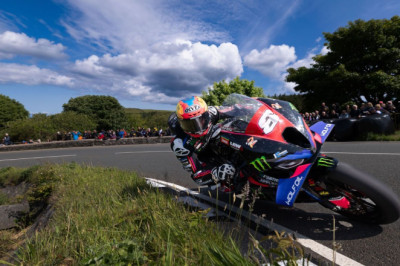
Elsewhere, the sport was reminded that danger has not been engineered out — merely managed. The deaths of Owen Jenner and Shane Richardson in British Supersport were brutal in their immediacy. Modern motorcycle racing is safer than it has ever been, yet still brutally exposed to chain-reaction chaos. The first corner at Oulton Park did not discriminate between promise and experience. It rarely does.
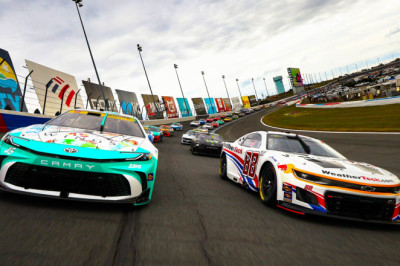
Across the Atlantic, Michael Annett’s death reverberated through NASCAR circles for different reasons. He wasn’t defined by superstardom, but by persistence — a Daytona winner, a regular, someone who made a career by staying in the fight. Motorsport relies on drivers like Annett far more than it admits: the ones who fill the field, bring continuity, and keep series alive between headline names.
Then there are the specialists, often overlooked until they’re gone. Chris Raschke, a fixture of the Bonneville salt flats, embodied a purer, more elemental form of racing. No grandstands, no television contracts — just speed, salt, and the relentless pursuit of numbers that exist only because someone dares to chase them. That he died doing exactly that feels grimly consistent with the discipline he loved.
Rallying, too, lost institutional memory with the passing of Svatopluk Kvaizar, whose career bridged Eastern European perseverance and international competition long before globalisation smoothed the edges. And at club and endurance level, figures like Ian Khan reminded us that motorsport’s backbone is not built solely by champions, but by those who turn up year after year, funding grids, mentoring younger drivers, and keeping the machinery of racing moving.
What ties these losses together isn’t heroism or tragedy in the cinematic sense. It’s something quieter: commitment. To speed, to competition, to a craft that demands more than it ever repays. Motorsport doesn’t pause when it loses people like this. It carries on — it always does — but it does so slightly diminished, its collective knowledge and character thinned by absence.
2025 will not be remembered for a single fatal moment. It will be remembered for the accumulation of them. And for the uncomfortable truth that, however advanced the cars and bikes become, racing still asks the same question it always has: how much are you prepared to give for the chance to go quicker?