
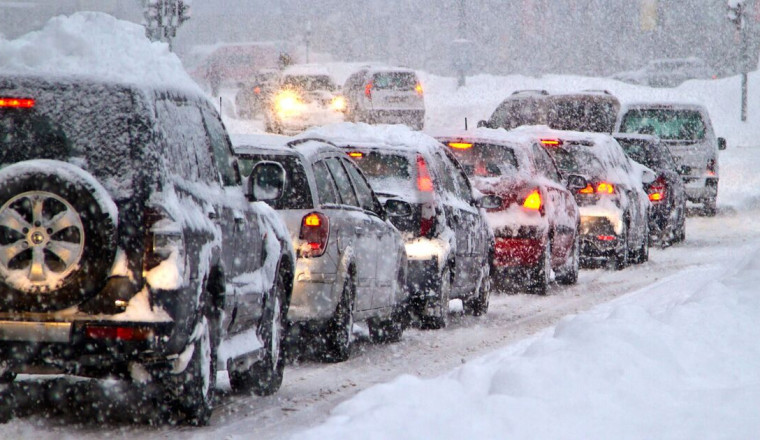


As frosty mornings mean Brits are often left de-icing their car windscreens, the cold weather can mean safety checks often get forgotten by motorists.
Calum Thomson, Group Service Director at Vertu, explained: "The most dangerous issues are often the ones that seem minor. A car that feels fine in autumn can quickly develop problems when the temperature drops.
“Our servicing specialists see the consequences of these overlooked checks every day, from dangerous tyre blowouts to engine damage that could have been easily prevented."
To help drivers stay safe, Calum has revealed the three most critical maintenance checks that are too often ignored.
READ MORE: Car fee everyone pays drops £56 - but you could cut it more
READ MORE: Expert shares the perfect temperature to heat your car to in winter
The plunge into frosty weather can cause the air in your tyres to contract which leads to a loss of pressure. The result could severely impact your car’s handling and grip on icy surfaces. Despite being one of the most critical checks for winter safety, it’s the most common one for drivers to ignore.
To get the most accurate reading, tyre pressure should be checked with a pressure gauge while they are cold. The correct pressure for a vehicle can be found in its handbook.
The legal minimum tread depth is 1.6mm. For winter driving, 3mm is recommended for better grip. An easy way to test this is by placing a 20p coin in the tread channels. If any part of the coin's outer band is visible, the tread is too shallow and it may be unsafe.

We use your sign-up to provide content in ways you've consented to and to improve our understanding of you. This may include adverts from us and 3rd parties based on our understanding. You can unsubscribe at any time. Read our Privacy Policy
If the concentration of antifreeze in your coolant is too low, it can freeze and expand. This could crack the engine block and lead to an expensive repair bill.
Before cold weather sets in, drivers should ensure their coolant is a 50/50 mix of antifreeze and water. Testers can be bought for around £10 from most hardware stores. At the same time, the screenwash reservoir should be topped up with a winter-grade formula that has a lower freezing point.
The needs for windscreen wipers, heaters and lights increase as the weather deteriorates and the evenings get darker. This can drain a cold battery’s power. An older battery that appears fine in autumn weather can fail in the winter without warning.
Any sluggishness when you start the engine can be a sign of a battery struggling which needs replacing by a professional. If a car battery has been used for 3 more years, it’s advisable for it be checked by a professional before winter arrives.