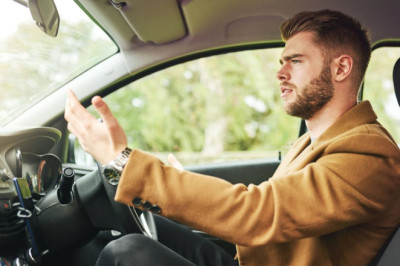

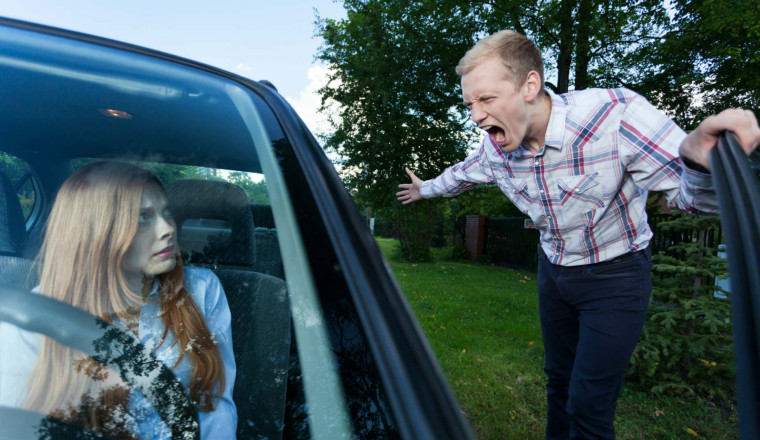

Road rage is a frightening and all-too-common problem on British roads. Indeed, nearly one in five road users are threatened with physical violence every year.
In a study by CAP HPI, 22 percent of motorists said they had got out of their car to argue with another driver in a road rage incident.
Perceived dangerous overtaking is the main trigger for road rage, prompting 28 percent of drivers to engage in an argument with a fellow motorist.
Tailgating, using a mobile phone at the wheel and breaking the speed limit were the other causes of anger named in the study.
With help from GEM Motoring Assist, we’ve identified a few steps to reduce the risk of becoming the target of somebody else’s aggression.
In no particular order, these are:
Interestingly, the increasing popularity of electric cars has led to a new source of conflict, as drivers queue and jostle for position at EV charging stations.
Many electric car owners are also angered by the sight of petrol or diesel cars – or even plug-in hybrids – parked in dedicated EV bays (a faux pas known as ‘ICEing’).
Above all, remain calm and polite, and try to avoid situations that could cause conflict. These are good rules for life, of course, as well as for life on the road.
ALSO READ:
How to drive safely on smart motorways
What are synthetic fuels – and can they save cars as we know them?
Sayonara, Godzilla: final Nissan GT-R built after 18 years
Most Gen Z drivers feel anxious about using petrol stations