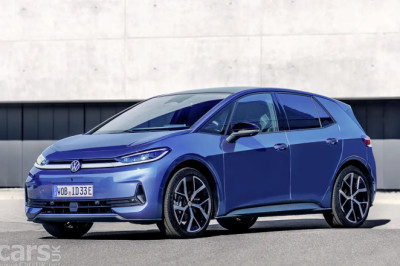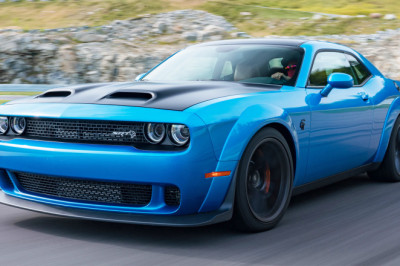

A total of 59 cars from 24 manufacturers, including well-known marques such as Ford, BMW and Mercedes, are set to be paying £5,690 from April 1. The increase stems from substantial modifications to Vehicle Excise Duty (VED) rates last year which saw an high rise of £2,745 for some models.
The Government chose to dramatically increase first-year VED charges for petrol and diesel vehicles from April 2025. These are substantial fees paid by purchasers of brand-new cars before they transition to the standard rate.
Charges have increased on a sliding scale, with the majority of higher bands experiencing fees that double from their 2024 levels. Vehicles emitting over 255 g/km of CO2 faced the steepest £2,745 rise, impacting some of the most widely-driven cars on Britain's roads. They rose to £5490 for the first year - and this is expected to rise to £5,690 from April 1 2026.
Mainstream manufacturers such as Ford and Toyota will see certain models affected. BMW, Mercedes and Audi vehicles will also be impacted.
Premium marques will shoulder the greatest burden of the changes. Models from Porsche, Lotus, Lamborghini and McLaren are among those set to face the new levy.
Chancellor Rachel Reeves announced at measure to incentivise consumers towards purchasing electric vehicles and broaden the divide between 'higher polluting' cars and EVs.
The first-year tax figure is determined by the quantity of carbon dioxide the vehicle emits. At present, those choosing electric vehicles (EVs) benefit Currently, electric vehicles (EVs) are exempt from Vehicle Excise Duty (VED), while cars emitting between 111g and 150g/km of CO2 faced a £220 charge.
Those exceeding 255g/km are subject to an even steeper first-year fee of £5,490 - which is set to rise again. Changes last April saw EV owners paying a nominal £10 for their first year's VED—a rate that has recently been frozen.
In contrast, drivers of petrol, diesel, and hybrid cars are bracing themselves for a significant increase as these rates are set to double.
A Treasury spokesperson exclusively told Car Dealer Magazine that by April 2025, purchasing new vehicles like a Ford Puma could result in a doubled first-year VED cost, increasing from £220 to £440. For higher-end models such as a Range Rover, the first-year charge would skyrocket from £2,745 to a staggering £5,490 - and is set to rise again to £5,690.
Chancellor Rachel Reeves announced during her Budget statement: "To help drive the transition to electric vehicles the government is strengthening incentives to purchase EVs by widening the differentials in Vehicle Excise Duty First Year Rates between EVs and hybrids or internal combustion engine cars.
"The government is also maintaining EV incentives in the Company Car Tax regime and extending 100% First Year Allowances for zero emission cars and EV charge points for a further year."
The Budget document provided more detail on vehicle taxation, explaining: "Vehicle Excise Duty first-year rates are paid for the first year of a car's lifecycle, at the point of registration, and vary based on emissions."
At the point of registration, and vary based on emissions. "It further detailed plans stating: "From 1 April 2025, the Vehicle Excise Duty first-year rates will be changed to widen the difference between zero-emission, hybrid and internal combustion engine cars.
- 0g/km - Remains at £10
- 1-50g/km - Rising from £110 to £115
- 51-75g/km - Rising from £130 to £135
- 76-90g/km - Rising from £270 to £280
- 91-100g/km - Rising from £350 to £365
- 101-110g/km - Rising from £390 to £405
- 111-130g/km - Rising from £440 to £455
- 131-150g/km - Rising from £540 to £560
- 151-170g/km - Rising from £1,360 to £1,410
- 171-190g/km - Rising from £2,190 to £2,270
- 191-225g/km - Rising from £3,300 to £3,420
- 226-255g/km - Rising from £4,680 to £4,850
- Over 255gkm - Rising from £5,490 to £5,690
- After first year will pay standard rate - expected to be £200 (currently £195)
A full list of new models emitting over 255 g/km has been released.
Vehicles that cost more than £40,000 when new (including options) incur an extra annual charge of £425 (increasing from £410) on top of the standard annual VED car tax rates, from their first through sixth birthdays.
Cars that cost more than £40,000 new (including options) incur an extra charge of £425 for five years, starting when the car is taxed for the second time. This means you’re out of pocket to the tune of £2,125 in extra tax by the time the car turns six.
From 1 April 2026, the threshold for the "luxury car tax" (£425 surcharge) for EVs will increase to £50,000, while remaining at £40,000 for petrol/diesel cars.
If you’re driving a modern classic or just a reliable older runaround registered before March 2001, your tax is based on VED engine size categories rather than CO2 emissions. Here’s how the new rates look:
From April 2028, electric vehicles will be charged a new ‘mileage tax’ to fill in the gap left by no fuel duty being paid for the vehicles. From April 2028, drivers will be charged an equivalent of 3p per mile for battery electric cars and £0.015p per mile for plug-in hybrid cars. The Chancellor says that this will go towards helping road maintenance.
That price will increase annually with the Consumer Price Index. At present, there is no announced framework for how this policy will be implemented or how drivers will pay for it. It would add an estimated £300 per 10,000 miles driven in an EV.
John Cassidy, sales managing director at Close Brothers Motor Finance, said: “A pay-by-mile scheme for electric vehicles risks increasing costs for many drivers, particularly those who rely on their cars for higher annual mileage.
“With energy bills rising and public charging becoming more expensive, motorists will fear that EV ownership could end up being significantly more expensive than traditional ownership.”
The Expensive Car Supplement was introduced in 2017 and adds an extra £425 per year for five years following the initial tax payment on new cars priced over £40,000.
However, in the Budget, that threshold has been raised to £50,000 for electric vehicles, meaning that buyers of EVs under this price won’t have to pay the Expensive Car Supplement.
The classic car 40-year tax rule is still firmly in place. If your car was built more than 40 years ago, you’re still in the 'historic vehicle' bracket and pay £0 in VED. Similarly, road tax exemptions for disabled drivers haven't changed—if you're eligible, you'll continue to be fully exempt from these hikes.
For the latest money saving tips, shopping and consumer news, go to the new Everything Money website.