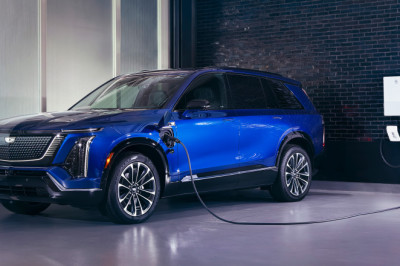



European automakers are watching billions slip through their fingers as production delays, software failures and strategic missteps hand the continent's most lucrative car segment to Tesla and Chinese competitors. The mid-size electric SUV market, projected to reach $47.8 billion by 2028 in Europe alone, has become a black hole for manufacturers who once dominated family car sales.
The numbers tell a brutal story. Tesla's Model Y captured 18.2% of European electric SUV market share in the third quarter of 2024, according to JATO Dynamics data released in November. Meanwhile, comparable European electric SUVs managed just 89,234 combined deliveries in the first ten months of 2024, compared to Tesla's 163,957 Model Y units, according to European Alternative Fuels Observatory figures.
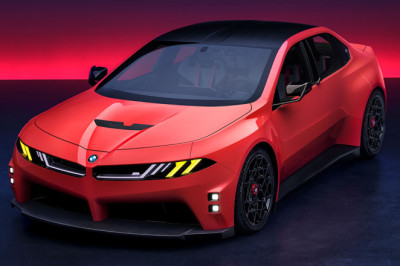
The crisis deepened in October when BMW discontinued its iX3 in Europe, leaving the German manufacturer without a mid-size electric SUV until its iX replacement arrives in 2026. The decision came as Chinese competitors surged 347% year-over-year, with BYD Tang and Nio ES6 combined European sales hitting 23,400 units in the first nine months of 2024.
Volkswagen's troubles run deeper than anyone anticipated. The ID.4, positioned as Europe's answer to the Model Y, faces production delays until the second quarter of 2025 due to persistent software issues. "We are working around the clock to resolve these challenges," Volkswagen Brand CEO Thomas Schäfer told Automotive News Europe in November, but industry insiders describe the delays as catastrophic for market share.
The leadership upheaval at Stellantis crystallizes the sector's desperation. CEO Carlos Tavares resigned on December 1, 2024, citing "different views on how to navigate these challenges" regarding EV strategy delays, according to the company's official statement. Tavares had promised electric SUV launches that never materialized, leaving Peugeot, Citroën and Fiat without competitive family electric vehicles.
Like this? Get the app: iOS | Android
Chinese manufacturers smell blood. Their European market share in electric SUVs jumped from 1.2% in 2022 to 8.7% by September 2024, according to Schmidt Automotive Research. BYD's European operations chief told industry publication Electrive that the company expects to triple its SUV deliveries in 2025, targeting exactly the families that European brands are failing to serve.
The European Alternative Fuels Observatory data reveals SUVs represent 42% of all European electric vehicle sales, making this the segment that determines winners and losers. Tesla understood this years ago, designing the Model Y specifically for European family needs with its combination of space, range and charging network access.
European manufacturers built their reputations on understanding local family requirements better than foreign competitors. The Volkswagen Passat, BMW 3 Series and Peugeot 508 defined middle-class European motoring for decades. Yet when it comes to electric family SUVs, these same companies appear to have forgotten everything they knew about their customers.
Ford provides the starkest example of what happens when manufacturers get electric SUVs wrong. The Mustang Mach-E, launched with great fanfare in 2021, managed just 12,847 European sales in 2024's first ten months. Compare that to the Model Y's performance and the scale of Ford's miscalculation becomes clear.
The McKinsey Global Institute's October 2023 projection of a $47.8 billion European electric SUV market by 2028 assumes someone fills the current void. If European manufacturers continue stumbling while Tesla expands production and Chinese brands establish dealer networks, that assumption looks increasingly shaky. The question facing Wolfsburg, Munich and Turin boardrooms is simple: how much of their home market are they willing to surrender?
Twenty-four months ago, industry executives dismissed Tesla as a niche player and Chinese brands as irrelevant. Today, those same executives watch their most profitable customers drive away in vehicles they should have built first. The $50 billion gap is not just about money. It represents the moment European automotive supremacy shifted permanently eastward.
Sources: JATO Dynamics | European Alternative Fuels Observatory | Automotive News Europe | Schmidt Automotive Research | McKinsey Global Institute