
Any homeowner with a driveway will understand how infuriating it can be to find it blocked by another vehicle or discover someone has parked on their property. Many may assume that because it's their property, they're entitled to take immediate action to resolve the situation, but UK law has specific regulations about what you can and cannot do.
If you act without understanding these regulations, you could face fines or even legal difficulties. There's also the danger of neighbourly rows, particularly if the offenders live close by. If a car is obstructing your driveway, begin by asking your neighbours if they know who the vehicle belongs to so it can be moved.
Gov.uk provides guidance on the initial steps to take to help settle a neighbourly dispute. A statement on the website reads: "Before making a formal complaint or getting others involved, try to discuss the problem with your neighbour. If you're worried about approaching them, write a letter, explaining the problem clearly and sticking to the facts. If the problem affects other neighbours, involve them as well. It can be easier to settle a dispute if the complaint comes from a number of people."
Further details can be found on the Citizens Advice website. It states: "Only talk to your neighbour if you feel safe and comfortable. It's quicker to talk face to face - but you can write, text or call if that's easier. You can take someone with you for support. Tell your neighbour how their behaviour is affecting you and what would help. Listen to your neighbour and see if you can reach a compromise together."
If there's a parking spot available on a public road, even if it's right outside your property, anyone has the right to park there. However, as outlined in the Highway Code, you must never park in a manner that obstructs someone's entrance. This is covered in Rule 243, which also contains a comprehensive list of other locations where parking is prohibited, including near school entrances, bus or tram stops, and taxi ranks.
Motorists are forbidden from parking on dropped kerbs in front of driveways. If your vehicle is even partially covering one, you could face consequences. The only exception to this rule is when a driver must stop or park due to stationary traffic, reports the Liverpool Echo.
According to the Royal Automobile Club (RAC), you can park outside someone else's property provided you take care not to obstruct their entrance and ensure they have adequate space to enter and exit. This means the space outside your home isn't exclusively yours, and parking operates on a first-come, first-served arrangement.
However, there are some exceptions. It's crucial to ensure you're not parking in a reserved space when you park on the street. Rule 241 cautions drivers against parking in spaces reserved for specific users, such as Blue Badge holders, residents, or motorcycles, unless they're entitled to do so.
What to do if someone parks on your driveway
When neighbours park in your space or obstruct your driveway, and when people abandon their cars on the street, it may seem like a matter for the police. But typically, your first port of call for assistance is your local authority.
If a vehicle is parked directly on your driveway rather than across it, this is generally considered civil trespass. The police don't usually intervene unless there's an additional issue, such as property damage.
Your options are limited, but you can attempt to track down the driver, particularly if it's a visitor from a neighbour or a delivery driver. Taking photographs as evidence and monitoring the situation if it reoccurs are also sensible steps.
If it continues, you may wish to seek legal counsel. Don't clamp, tow, or obstruct the vehicle. Taking such actions could result in penalties or legal complications.
What to do if someone blocks your driveway
Unlike when someone parks on your driveway, if a vehicle is blocking your driveway and preventing you from getting in or out, this constitutes an obstruction. In this instance, you can ring 101 (the official non-emergency police number for England, Wales, Scotland, and Northern Ireland) to report the issue. Be sure to explain if you need to leave urgently for work or medical reasons, and flag any safety concerns caused by the blockage.
The police may step in if the obstruction affects access or safety. You can also get in touch with your local council. Many councils are able to issue Penalty Charge Notices for vehicles blocking private driveways, particularly where the driveway has a dropped kerb.
Avoid taking the law into your own hands, as certain actions could result in legal proceedings against you. For instance, do not:
What to do if someone parks across a dropped kerb
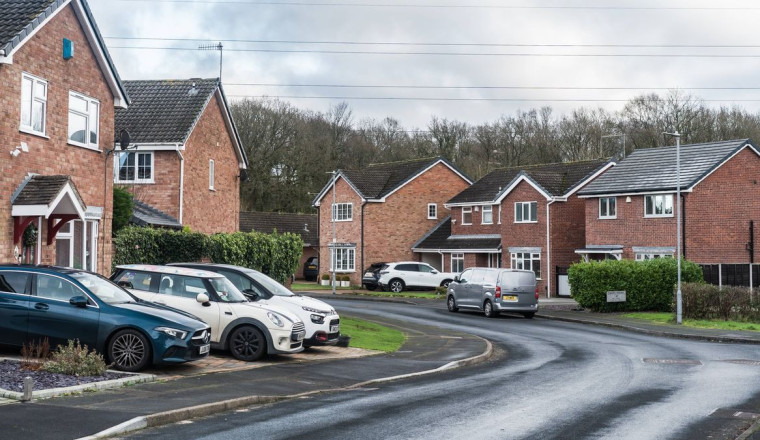
Dropped kerbs carry stricter regulations than standard parking areas. The Highway Code states that drivers must not park in front of a dropped kerb that leads to a driveway.
While the Highway Code offers guidance, enforcement falls under the Road Vehicles Regulations 1986, section 103. This means drivers can face consequences for obstructing access, even if they are not parked directly on private property. In practice, this is a significant benefit to homeowners. Local councils are empowered to intervene and take action, even where the vehicle is not technically parked on private land.
You can report the vehicle to your local council. Councils are authorised to issue Penalty Charge Notices. If vehicles obstruct access, they may be fined or removed. This is typically the simplest way to resolve the issue without entering into legal proceedings.
In numerous areas, local councils now hold responsibility for parking enforcement through Civil Parking Enforcement (CPE). Under CPE, it's illegal to park a vehicle in such a way that obstructs a dropped kerb driveway.