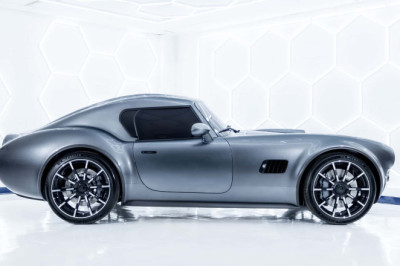

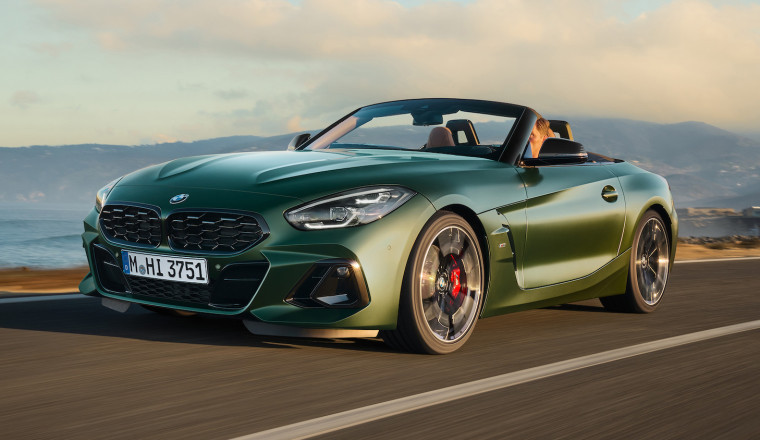

The final BMW Z4 has left the Magna Steyr factory in Graz, Austria, marking the end of a roadster line that began with the radical Z1 in 1989. The last car, a Z4 M40i finished in Frozen Pure Grey metallic, represents more than just another discontinued model. It closes a chapter that started when BMW decided luxury buyers wanted wind in their hair, not just leather on their seats.
BMW produced approximately 190,000 Z4s across three generations between 2003 and 2024. The numbers tell the story of a market that peaked in the mid-2000s with annual sales exceeding 30,000 units globally, then gradually declined to just 14,000 cars sold worldwide in 2023. The Z4's death follows the natural progression of automotive economics. When a sports car sells fewer units than some manufacturers move in a single month, the spreadsheet wins.
The Z4's demise leaves BMW without a two-seat roadster for the first time since 1991. The company built its convertible reputation on the Z3, which found 297,088 buyers between 1995 and 2002, largely thanks to its starring role in GoldenEye and the subsequent marketing campaign that made James Bond's car accessible to mere mortals with financing. The Z3 proved BMW could sell lifestyle as effectively as engineering, turning a relatively simple roadster into a cultural phenomenon.
Each Z4 generation reflected BMW's changing priorities. The first generation E85 and E86 models from 2003 to 2008 offered both roadster and coupe variants, with the M Coupe earning particular devotion from enthusiasts who appreciated its uncompromising approach to handling. The second generation E89, produced from 2009 to 2016, featured a retractable hardtop that appealed to buyers wanting year-round usability. The final G29 generation, launched in 2018, shared its platform with the Toyota Supra through a partnership that split development costs but couldn't save either car from market realities.
Like this? Get the app: iOS | Android
BMW's decision reflects broader industry trends that favor SUVs and electric vehicles over traditional sports cars. The company has not announced plans for a Z4 replacement, instead focusing resources on expanding its electric SUV lineup and preparing for stricter emissions regulations. This strategic shift mirrors moves by other luxury manufacturers who have discovered that buyers prefer the elevated seating position and practicality of crossovers over the compromised ergonomics of low-slung sports cars.
The Austrian production facility that built every Z4 will continue manufacturing other vehicles for various brands under the Magna Steyr contract manufacturing model. This arrangement allowed BMW to produce the Z4 without dedicating its own factory space to a relatively low-volume model, but it also meant the roadster lacked the internal political protection that comes with occupying a dedicated production line.
Industry analysts point to changing consumer preferences and regulatory pressures as primary factors in the Z4's cancellation. Younger buyers increasingly view cars as transportation tools rather than emotional purchases, while older buyers who appreciate roadsters often prioritize comfort and practicality over pure driving experience. The regulatory environment adds another layer of complexity, as automakers must balance fleet emissions averages that make low-volume sports cars expensive compliance burdens.
BMW's roadster heritage began with the Z1, a limited-production model that featured doors that retracted into the body rather than swinging open. Only 8,000 Z1s were built between 1989 and 1991, but the car established BMW's willingness to experiment with unconventional design solutions in pursuit of open-air driving pleasure. The Z1's technological innovation and exclusivity created a foundation that the more accessible Z3 and Z4 models built upon for three decades.
The end of Z4 production leaves BMW's sports car lineup concentrated on the 2 Series and higher-performance M models, none of which offer the pure roadster experience that defined the Z cars. Whether BMW will return to the roadster segment depends largely on market conditions and regulatory requirements that currently favor electrification and utility over wind-in-the-hair motoring. For now, the 190,000 Z4 owners can take comfort in knowing they own the final chapter of a story that began with retractable doors and ended with a frozen grey farewell.
Sources: BMW production data and automotive industry reports. Specific production figures and timeline details compiled from manufacturer records and industry analysis.