

by Stephen Rivers
- Tesla is phasing out China-made components from all U.S.-built vehicles.
- Tariffs and geopolitical conflicts are driving the accelerated supply-chain shift.
- Automakers are rethinking dependence on China for critical components.
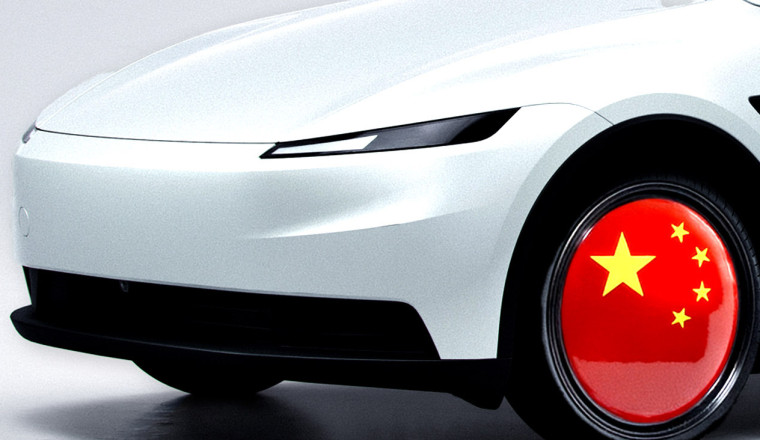
It’s no secret that the automotive industry is in the midst of a gigantic transformation. Tariffs, trade wars, and shifting consumer interests are all playing a role. Now, Tesla is working to end its reliance on Chinese-made components for U.S.-built cars.
It’s just the latest automaker to take this step, with GM reportedly doing the same, though it will take time for both companies to fully achieve their goals.
More: GM Quietly Told Suppliers To Ditch Chinese Parts And Now The Trouble Begins
According to a new report from the Wall Street Journal, Tesla earlier this year instructed suppliers to begin eliminating Chinese parts from every vehicle produced in the United States.
Evidently, it told them to get the job done within the next two years at most. If possible, it would like the shift to be done within the next year. Sources indicate that it’s already swapped out some Chinese components.
Tariffs and Timing
Several forces came together to make this happen. Tesla was already moving away from Chinese-sourced parts after the pandemic. Matters escalated this year when President Donald Trump imposed new tariffs on Chinese imports.
That created new volatility in an already fluctuating market, which affected Tesla’s pricing and procurement plans. According to the report, Tesla is working to build a business that is more resilient to political decisions.
Recently, a semiconductor conflict between China and the Netherlands triggered fresh supply interruptions at Tesla. Dutch chip maker, Nexperia, whose packaging happens in China, became tangled up in an export-blocking dispute, and as such, automakers like Tesla were caught up too.
New Routes Around China
Interestingly, Tesla has been encouraging Chinese suppliers to set up shop in Mexico and Southeast Asia for years. This could potentially allow Tesla to sidestep tariffs that are aimed solely at China itself. It also halted the use of Chinese-made lithium-iron-phosphate (LFP) batteries in favor of making them in Nevada next year.
Notably, Tesla isn’t the first automaker to go down this route. Earlier this year, GM quietly instructed its suppliers to cut out Chinese components altogether by 2027.
No doubt, these two companies won’t be the only ones to try this same trick. Only time will tell whether or not it actually works out, cuts costs, and brings more manufacturing to America.