

Catalytic converter theft has exploded across Britain, North America, and globally since 2019, with thieves targeting vehicles in driveways, car parks, and streets to harvest automotive components containing precious metals worth hundreds or thousands of pounds. The crime surge stems from a convergence of factors: soaring precious metal prices, simple theft techniques requiring minimal tools, and ready markets for stolen parts that ask few questions. Understanding why these seemingly mundane exhaust components attract criminal attention reveals uncomfortable truths about recycling industry oversight and the economics driving property crime.
What Makes Catalytic Converters Valuable
Catalytic converters serve as vehicles' primary emissions control devices, transforming harmful exhaust gases into less toxic substances before they exit the tailpipe. The technology relies on chemical reactions facilitated by precious metal catalysts coating a ceramic honeycomb structure inside the converter's metal housing.
The three primary metals used are platinum, palladium, and rhodium, chosen for their ability to catalyze specific chemical reactions at high temperatures without degrading. Platinum converts carbon monoxide and unburned hydrocarbons into carbon dioxide and water. Palladium serves similar functions while also reducing nitrogen oxides. Rhodium specifically targets nitrogen oxide reduction, proving particularly effective at this task.
These metals exist in tiny quantities within each converter, typically just 3 to 7 grams total across all three metals in a standard passenger car converter. However, their rarity and industrial demand create extraordinary per-gram values that make even small quantities worth stealing.
Rhodium prices peaked at over $29,000 per troy ounce in 2021, roughly 15 times the price of gold at that time. While prices have declined since those peaks, rhodium still trades around $4,500 to $5,500 per ounce as of early 2026, significantly above gold's $2,000 per ounce. Palladium reached $3,400 per ounce in 2022 and currently trades near $1,000 per ounce. Platinum hovers around $950 per ounce, roughly half gold's price but still valuable.
A typical catalytic converter from a standard petrol car contains perhaps £100 to £200 worth of recoverable precious metals based on current market prices. However, certain vehicles including hybrid cars like the Toyota Prius and Honda CR-V contain substantially more catalyst material because their engines cycle on and off frequently, requiring more robust emissions control. Converters from these vehicles can contain £500 to £1,500 worth of precious metals, making them particularly attractive targets.
Large vehicles including vans, trucks, and SUVs often have multiple catalytic converters or larger units containing more precious metal. Some diesel particulate filters, while technically different from catalytic converters, also contain valuable platinum and palladium, creating additional theft targets on diesel vehicles.
Why Theft Is So Easy
Catalytic converters' vulnerability stems from their location and mounting method. The devices sit in the exhaust system underneath vehicles, typically bolted or welded to exhaust pipes between the engine and muffler. This placement makes them accessible to anyone crawling under a car, requiring no special access to locked compartments or bypassing security systems.
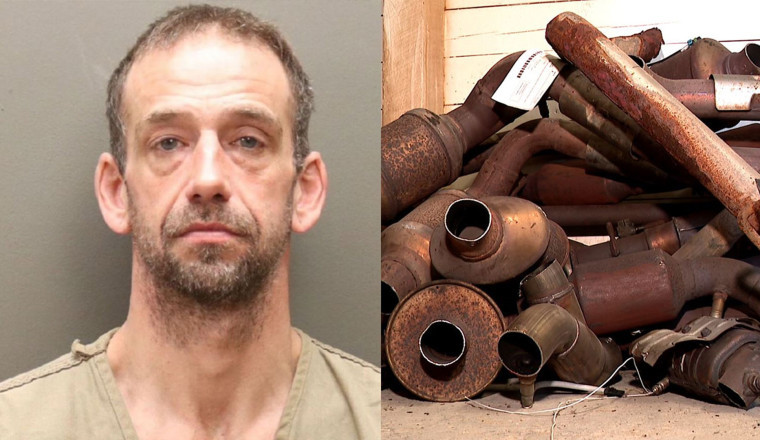
Thieves use battery-powered reciprocating saws or angle grinders to cut through exhaust pipes on either side of the converter, removing the entire unit in 60 to 90 seconds according to police observations and security camera footage. The speed proves critical, allowing thieves to strike in driveways, car parks, or streets without attracting attention before escaping.
The tools required cost under £100 and serve legitimate purposes, making their possession unremarkable. A thief needs only a jack or car ramp to access the underside if the vehicle sits too low for crawling underneath, though many SUVs and trucks provide sufficient ground clearance without lifting.
Some vehicles prove particularly vulnerable due to design characteristics. The Toyota Prius sits relatively high, providing easy access without jacking. Its hybrid powertrain requires more catalyst material as explained earlier, and the vehicle's popularity means thieves know exactly where converters are located and can work efficiently. Honda CR-Vs, Ford F-Series trucks, and various other popular models face similar targeting due to combinations of accessibility, valuable converters, and commonality making them easy to find.
The theft causes immediate, obvious damage. Vehicles with missing converters produce extremely loud exhaust noise due to the large hole in the exhaust system, making them undriveable in practical terms even though engines may still run. Replacement costs typically range from £500 to £2,500 including parts and labour, though some vehicles with expensive or rare converters can cost £5,000 or more to repair.
Where Stolen Converters Go
The ready market for stolen converters drives theft epidemics. Thieves sell to scrap metal dealers, some of whom ask minimal questions about provenance. The converters' value lies in precious metal content, meaning their origin from specific vehicles matters little to recyclers focused on extracting platinum, palladium, and rhodium.
Scrap yards typically pay £50 to £300 per converter depending on type and current metal prices, providing substantial profit for thieves who can steal multiple units per night. Some thieves operate individually, stealing converters opportunistically from vehicles in their neighborhoods. Others work in organized groups, systematically targeting car parks, residential streets, or specific vehicle models known to have valuable converters.
The precious metals are extracted through chemical and thermal processes at specialized recycling facilities, many located outside Britain where regulations prove less stringent. The recovered metals enter legitimate commodity markets, becoming indistinguishable from metals mined through conventional methods. This laundering process makes tracking stolen material essentially impossible once converters reach recyclers.
Law enforcement faces challenges prosecuting converters theft due to difficulty proving individual units were stolen versus legitimately scrapped. Unlike serial-numbered items such as electronics or bicycles, catalytic converters carry no unique identifiers linking them to specific vehicles. Some manufacturers have begun etching vehicle identification numbers onto converters, and aftermarket services offer similar marking, but these measures remain optional and incompletely adopted.
The Economic Drivers
Precious metal price volatility directly influences theft rates. Rhodium's spectacular price surge from $2,000 per ounce in 2018 to nearly $30,000 in 2021 coincided with catalytic converter theft increasing over 1,000 percent in the United States according to insurance industry data. British statistics showed similar patterns, with theft reports to police rising from approximately 2,000 incidents in 2018 to over 64,000 in 2022.
As rhodium and palladium prices declined from their 2021-2022 peaks, theft rates moderated somewhat but remained vastly elevated compared to pre-2019 levels. The infrastructure of theft networks, established markets for stolen converters, and knowledge of which vehicles to target persists even when metal prices soften, sustaining ongoing theft problems.
Economic conditions including unemployment, poverty, and drug addiction correlate with property crime rates generally. Catalytic converter theft appeals to criminals seeking quick cash because the crime requires minimal skill, limited tools, and provides immediate payment when selling to scrap dealers. The relatively low police priority given to property crimes versus violent offenses means thieves face minimal risk of arrest and prosecution even in areas with high theft rates.
Prevention and Policy Responses
Vehicle owners can take steps to reduce theft risk, though no measure provides complete protection. Parking in locked garages when possible removes opportunity entirely. Well-lit areas with security cameras deter some thieves, though determined criminals strike in broad daylight or well-monitored locations when valuable targets present themselves.
Mechanical protections including cages welded around converters, steel cables securing them to vehicle frames, or specialized locks add time and difficulty to theft, potentially encouraging thieves to seek easier targets. These devices cost £100 to £400 installed, representing worthwhile investments for high-risk vehicles including Priuses and popular SUVs.
Engraving vehicle identification numbers on converters aids police in returning recovered units to owners and potentially helps prosecute thieves caught with marked converters, though effectiveness remains limited given the difficulty of inspecting converters without removing them from vehicles.
Legislative responses vary by jurisdiction. Some US states passed laws requiring scrap dealers to maintain detailed records of converter purchases including seller identification and vehicle provenance documentation. Penalties for purchasing stolen converters increased in various jurisdictions. However, enforcement proves challenging given the volume of legitimate converter recycling and limited resources for monitoring scrap industry compliance.
Britain's Scrap Metal Dealers Act 2013 requires dealers to verify seller identities and maintain transaction records, theoretically creating paper trails for stolen goods. However, the regulations contain loopholes and enforcement remains inconsistent, with many dealers flouting requirements knowing that overstretched police forces rarely investigate individual converter purchases.
The fundamental problem involves balancing legitimate recycling needs against theft prevention. Catalytic converters do wear out and require replacement, creating genuine reasons for recycling old units. Distinguishing stolen converters from legitimate scrap proves nearly impossible without comprehensive tracking systems that would impose substantial costs on the recycling industry and vehicle owners.
The Human Cost Beyond Statistics
Behind theft statistics lie real impacts on victims who face substantial financial burdens, transportation disruption, and invasion of security. Many catalytic converter theft victims cannot afford immediate repairs, particularly when insurance excesses or lack of comprehensive coverage means paying out of pocket.
The crime often targets lower-income neighborhoods where residents drive older vehicles worth less than repair costs but depend on those vehicles for work, childcare, and daily necessities. Losing transportation to theft creates cascading problems affecting employment, family logistics, and financial stability that statistics cannot capture.
Some victims face repeated thefts, with converters stolen multiple times from the same vehicle after repairs. This proves particularly common with Priuses and other high-value targets, creating situations where replacement becomes pointless because theft will reoccur.
The psychological impact of having property violated, even when it's a car part rather than home invasion, affects victims' sense of security and trust. Knowing that criminals crawled under your vehicle in your driveway while you slept creates unease that extends beyond the immediate financial and practical consequences.
Catalytic converter theft represents more than opportunistic property crime. It reflects failures in recycling industry oversight, precious metal commodity markets that incentivize theft, and economic conditions creating desperate people willing to crawl under strangers' cars with saws for £200 payouts. Understanding why theft occurs doesn't excuse it, but it does highlight the complex factors driving a crime wave that shows little sign of ending until metal prices fall permanently or regulations finally force accountability on the scrap dealers who enable this epidemic by buying components they know are stolen. Until then, millions of vehicle owners remain vulnerable to thieves who can steal hundreds of pounds worth of precious metals in 60 seconds with a saw and no meaningful risk of consequences.