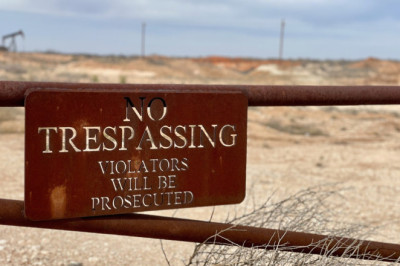

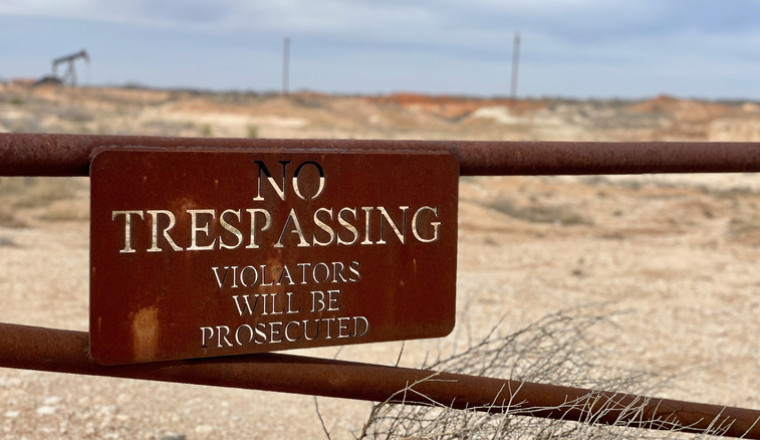

The Permian Basin sits in the flat, sunbaked west of Texas and stretches into New Mexico. It is the most productive oil patch on earth, pumping more crude than most OPEC members. It is also, increasingly, a crime scene.
Martin County Sheriff Randy Cozart told Bloomberg Businessweek that his office gets at least one call a week from an operator whose field has been robbed. By his estimate, around 500 barrels go missing from Martin County alone every single week. At last year's average oil price of $65 a barrel, that is $1.7 million in annual losses from one county in a region that spans dozens. Scale that across the basin and the numbers climb fast. The Texas Independent Producers and Royalty Owners Association has reported that one of its larger members alone lost $1.1 million in crude and equipment between 2023 and 2024.
The theft is not opportunistic. It is organised, professional and brazen.
According to Bloomberg's investigation, today's Permian thieves hook vacuum trucks directly into storage tank lines and siphon crude in broad daylight, timing their hits to coincide with the field's busiest hours so the operation blends in. Some swap or cover their licence plates to avoid identification. The most sophisticated operators pose as waste haulers, companies that legitimate operators pay to remove toxic water from storage tanks. They pull up, run the same lines, take the oil and drive away. It looks like a regular shift. The theft often goes undetected until someone checks the inventory.
The remoteness that makes the Permian Basin so productive is exactly what makes it so vulnerable. Oil wells outnumber people across most of this terrain, and law enforcement is stretched thin. The Winkler County Sheriff told the Texas Tribune his ten deputies cover 841 square miles. He does not have the manpower or the budget to post someone at an oil field full time.
Like this? Get the app: iOS | Android
The FBI recognised the scale of the problem back in 2008 and stood up a task force to address equipment theft across the basin. In recent years that task force pivoted to focus specifically on crude oil. According to FBI data, reported crude theft actually dipped in 2025, a trend the bureau partly attributed to lower barrel prices. But the bureau also acknowledged its data relies heavily on voluntary reporting from operators, which means the true scale is almost certainly larger than the numbers suggest.
Texas responded legislatively last summer. Governor Greg Abbott signed three bills in Midland directing the Department of Public Safety and the Railroad Commission of Texas to stand up their own petroleum theft task forces, at a cost to taxpayers of nearly $5 million. The Railroad Commission, which is the state's oil and gas regulator despite the name suggesting otherwise, is conducting its own study with findings due in December.
At the federal level, Representative Tony Gonzales reintroduced the Protect the Permian Act in 2026, targeting the criminal networks behind the thefts rather than just the individuals at the end of the supply chain. Gonzales has described the situation as a national security issue: West Texas produces roughly 15% of the world's energy resources, and the stolen crude is being laundered into local supply chains or driven across the border into Mexico.
Michael Lozano of the Permian Basin Petroleum Association put it plainly to Bloomberg: "The old joke in the oil field used to be that if it wasn't bolted down, it would get stolen."
The joke stopped being funny a billion dollars ago.
Sources:
- Bloomberg Businessweek — Oil Theft Is Burning a Billion-Dollar Hole in the West Texas Economy
- The Texas Tribune — Texas creating task forces to target Permian Basin oil field thefts
- Permian Basin Petroleum Association
- NewsNation — Crude oil theft costs Texas billions as prices rise
- Jalopnik — Welcome To The Wild West, Where Texas Loses Nearly A Billion Dollars Of Oil A Year To Thieves