

The 2025 UK Autumn Budget brought a blend of relief and new charges for motorists across the country. Fuel duty, frozen for 16 years, will remain at its current rate until September 2026, a clear win for drivers of petrol and diesel cars who continue to face sky-high pump prices. This freeze saves the average driver around £40 annually against what rises would have cost.
On the flip side, electric vehicle (EV) owners face a significant change. Beginning April 2028, a mileage-based tax Extended Vehicle Excise Duty (eVED) will charge EV drivers 3p per mile, and plug-in hybrids 1.5p per mile on top of existing taxes. While this move aims to recoup lost fuel duty revenue, it is expected to complicate ownership costs and may deter potential buyers, with forecasts predicting nearly half a million fewer EV sales between now and 2030. This charge is intended to fund UK road maintenance amid shifting transportation trends.
The Budget also offers incentives for green transitions with an extension of the Electric Car Grant to 2030 for vehicles under £37,000, along with a £200 million boost to expand charging infrastructure. A notable increase in the luxury car tax threshold for EVs offers upper-end electric buyers a break. Meanwhile, motorcycles remain exempt from new charges, posited as efficient, low-emission alternatives likely to gain traction.
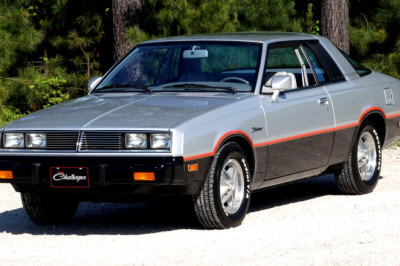
Classic car owners sidestep tax changes for now, with the rolling 40-year vehicle excise duty exemption preserved, giving heritage motorists a reprieve. Business owners with EV chargers benefit from a decade of business rate relief, supporting the growth of public and workplace charging networks.
| Key Points for Motorists in the UK 2025 Autumn Budget | Winners | Losers |
|---|---|---|
| Fuel Duty Freeze until September 2026 | Petrol and diesel vehicle owners save around £40 annually on fuel costs due to the freeze | None immediately, but future increases expected from 2027 |
| Mileage-based EV Tax from April 2028 (eVED) | Government aims to raise £1.1 billion initially for road maintenance funding | Electric vehicle drivers face 3p per mile charge, plug-in hybrids 1.5p per mile; increases cost and may deter EV adoption |
| Extension of Electric Car Grant to 2030 | EV buyers benefit from continued financial incentives for vehicles under £37,000 | Higher cost EV buyers excluded |
| £200 million boost for EV charging infrastructure | Home and workplace charger installations supported; public charging expanded | None immediate |
| 100% business rate relief on EV chargers for 10 years | Businesses investing in EV infrastructure save significantly | Traditional fuel businesses may face competition |
| Classic car exemption retained | Classic car owners continue enjoying rolling 40-year VED exemption and MOT exemptions | None |
| Motorcycle tax exemptions maintained | Motorcycle owners remain exempt from new charges | None |
| Increase in luxury car tax threshold for EVs | High-end EV buyers benefit from tax relief | None immediate |
| Introduction of pay-per-mile charges for EVs | Generates long-term funding for road maintenance | Could hamper EV demand |
| No changes in existing vehicle excise duty | Conventional car owners see stability | Longer-term tax increases possible |
| Continued focus on balancing green policies with fiscal needs | Supports sustainable funding of transport infrastructure | Some motorists face higher costs |
This table summarizes the major highlights of the 2025 autumn budget affecting motorists, showing who gains and who potentially faces new costs or challenges.
Summing up, the 2025 budget strikes a balance between supporting traditional drivers, pushing environmental goals, and addressing fiscal realities. Drivers should prepare for a changing landscape as new taxes and incentives shift the cost of motoring in the UK over the coming years.