

New vehicle inventory is on the rise across the United States and, as we’ve come to expect, there are several brands with inventories well above the industry average. Stellantis continues to be one of the worst offenders, with Chrysler having a particularly large car inventory.
In March, the nationwide average was 79 days’ worth of supply, down significantly from the 96 days in February and 94 days in January. Even so, total inventory ticked up 1.3% from February to March this year, landing at 2.89 million units, according to Cox Automotive.
That total was also 6.1% higher than a year earlier, a comparison influenced by a surge in purchases in March 2025 that temporarily reduced inventory levels.
Read: Chrysler Says The 2027 Pacifica Is The Future Face Of The Brand, And That’s The Problem
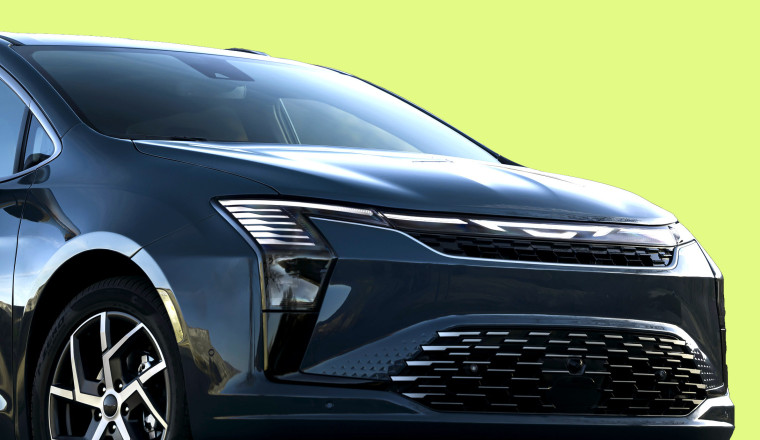
Chrysler’s inventory continues to swell. In March, it was at least twice the industry average of 79 days’ worth of inventory. This comes despite having an aged line-up consisting solely of the Pacifica and the Voyager, which is just a more basic version of the Pacifica Chrysler has been building for a decade. The minivan was recently facelifted with an updated front fascia, so it won’t be replaced by an all-new model anytime soon.
Chrysler isn’t the only Stellantis brand with burgeoning inventories. Dodge currently has 140 days’ worth of supply, narrowly edging out Ram with 138 days and Jeep with 127 days. Among non-Stellantis brands, Mini has the highest days of inventory at 123, placing it above Mitsubishi (119), Buick (114), and Volkswagen (109).
On the other end of the spectrum, some brands have inventories below the industry average. These include Porsche at 78 days, Subaru with 77 days, Cadillac at 76 days, Kia with 75, Chevrolet and Infiniti at 67, Honda with 52, Audi at 47, and then Lexus and Toyota, both with 36 days of supply.
Cox Automotive’s data also notes that new car sales rebounded strongly in March compared to January and February. Last month, 1.13 million new cars were sold across the country, up from 831,191 sold during a slow February. As sales climbed, the average listing price fell marginally to $48,667.
Dealers are increasingly relying on incentives to maintain sales pace, with average spending rising to $3,541 per vehicle in March, or 7.2% of the average transaction price.
Month
Inventory
Volume
Days
Supply
Sales
Average Listing
Price
25-Mar
2,725,005
71
1,187,840
$47,874
25-Apr
2,641,748
68
1,167,187
$48,406
25-May
2,560,104
74
1,078,445
$48,739
25-Jun
2,816,717
84
1,012,492
$48,673
25-Jul
2,707,559
77
1,094,241
$48,496
25-Aug
2,730,357
75
1,133,566
$48,566
25-Sep
2,855,668
87
990,819
$49,057
25-Oct
3,005,433
90
1,039,591
$49,193
25-Nov
3,053,128
90
1,017,139
$49,454
25-Dec
2,967,543
86
1,076,180
$50,351
26-Jan
2,741,173
94
908,330
$49,594
26-Feb
2,854,721
96
831,191
$49,170
26-Mar
2,890,423
79
1,130,991
$48,667