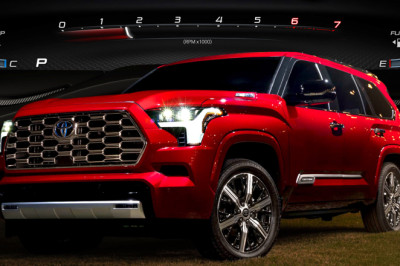

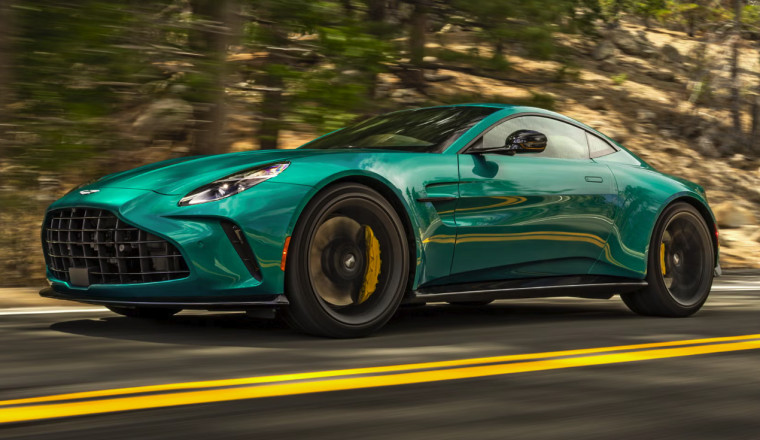

Insurance logic breaks down completely when you compare a £40,000 Aston Martin V8 Vantage from 2010 against a £35,000 Alfa Romeo Giulia Veloce from 2022. The Alfa Romeo, with its turbocharged four cylinder and aggressive styling, regularly commands higher premiums than the British grand tourer with its 4.7 liter V8 and 180mph top speed.
Adrian Flux, one of the UK's largest specialist insurers, recently quoted £1,200 annually for a 35 year old professional to insure a 2010 V8 Vantage. The same driver profile for a 2022 Giulia Veloce came back at £1,850. The difference stems from an insurance calculation that defies common sense but makes perfect actuarial logic.
"Age is the biggest factor people don't understand," explains Simon Waye, underwriting director at Keith Michaels Insurance. "A 12 year old Aston Martin has already taken its depreciation hit. It's now a cherished possession rather than daily transport. The risk profile changes completely."
The numbers support this counterintuitive reality. Aston Martin V8 Vantages from 2010 to 2012 have depreciated roughly 65 percent from their original £85,000 price point, according to CAP HPI data. Further dramatic drops are unlikely. Meanwhile, that new Giulia Veloce faces immediate depreciation of 20 to 30 percent in its first year alone.
Theft statistics reveal another insurance puzzle. The National Vehicle Crime Intelligence Service reports that Alfa Romeo models appear on stolen vehicle lists at rates nearly triple those of Aston Martin. The Giulia's keyless entry system and relatively common sight on roads makes it a target. Aston Martins, particularly older ones, require specialist knowledge to steal and present challenges in moving stolen parts.
Like this? Get the app: iOS | Android
Annual mileage creates the final piece of this insurance equation. Hagerty Insurance data shows that Aston Martin owners average 2,500 miles per year compared to 8,500 miles for typical Alfa Romeo Giulia drivers. Lower mileage means exponentially lower accident risk in actuarial calculations.
"People buy an old Aston as a weekend car," notes automotive insurance analyst David Williams. "They drive it carefully, park it in secure locations, and often garage it for winter. Compare that to someone using a Giulia for the school run and motorway commuting. The exposure is completely different."
This economic anomaly extends beyond Aston Martin. Insurance comparison site Confused.com found similar patterns with older Porsche 911s undercutting BMW M3 premiums, and even some Ferrari models coming in cheaper than high performance Audis and Mercedes.
The lesson challenges assumptions about supercar ownership costs. While maintenance and fuel bills remain predictably high on older exotics, insurance can actually decrease as cars transition from depreciating assets to appreciating classics.
The insurance industry treats a 12 year old V8 Vantage as automotive jewelry rather than transportation. The actuarial mathematics of low mileage, careful storage, and stable values creates premiums that would shock anyone expecting supercar insurance to match supercar performance.
Sources: Adrian Flux Insurance | Keith Michaels Insurance | CAP HPI | Hagerty Insurance | Confused.com