

When you think of the Ford Flathead V8, you picture an engine that defined American muscle and hot rodding in the 1930s through the ‘50s. Known for its simplicity and bold rumble, the Flathead powered countless street rods and racers but had one major drawback: its side-valve design restricted airflow, capping horsepower and efficiency.
While Ford eventually replaced the Flathead with modern overhead-valve (OHV) engines, the era before that newcomer saw several ingenious engineers and companies striving to break the Flathead’s limits. Chief among these performance pioneers was Bill Stephens.
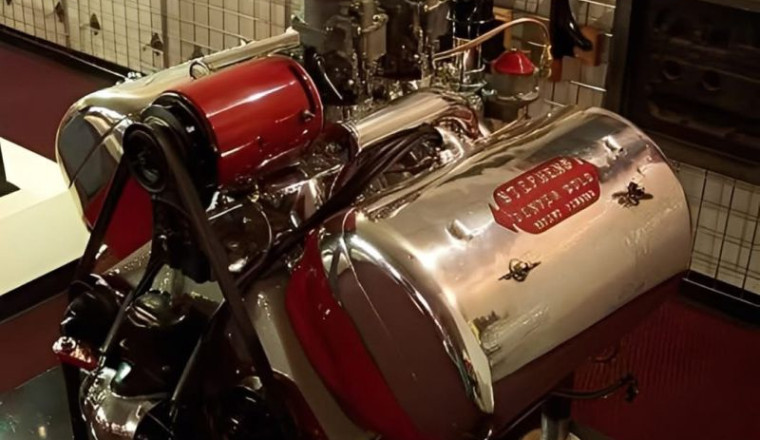
Stephens developed one of the most unique OHV cylinder head conversions of the time, dramatically improving how the Flathead engine breathed while cleverly preserving the original block’s architecture. His designs resulted in a substantial jump in power and efficiency compared to the stock side-valve setup.
The Stephens OHV conversion painstakingly replaced the cumbersome side-valve heads with overhead valves, allowing better intake and exhaust flow through improved port layouts and valve sizing. This upgrade was particularly prized for hill climb and racing applications, where every drop of horsepower mattered.
Only a handful of these conversions were ever made, estimates suggest just 3-4 complete sets exist today making Stephens heads some of the rarest and most collectible aftermarket parts for Flathead enthusiasts. Models modified with Stephens heads included legendary vehicles targeting demanding events like the Pike’s Peak hill climb.
Stephens’ approach bore some resemblance to other famous OHV conversions of the era like the Ardun heads, but with its own distinctive charm extra-heavy cast iron construction and a rugged, no-nonsense attitude.
Today, a Ford Flathead with a Stephens OHV conversion is considered an extremely rare and valuable piece of hot rod history. Few complete examples survive, and when they appear at shows or auctions, they draw significant attention from collectors and historians.