


Car companies are focused on selling vehicles, not making them last 200,000 miles. Their goal is to get a car through the warranty period with the lowest cost of ownership on paper, because that helps move more units. That's why maintenance schedules are vague, service intervals are stretched, and recommended upkeep looks lighter than it should.
Sales wants to sell. Service wants to keep the vehicle running. Two very different priorities under the same roof.
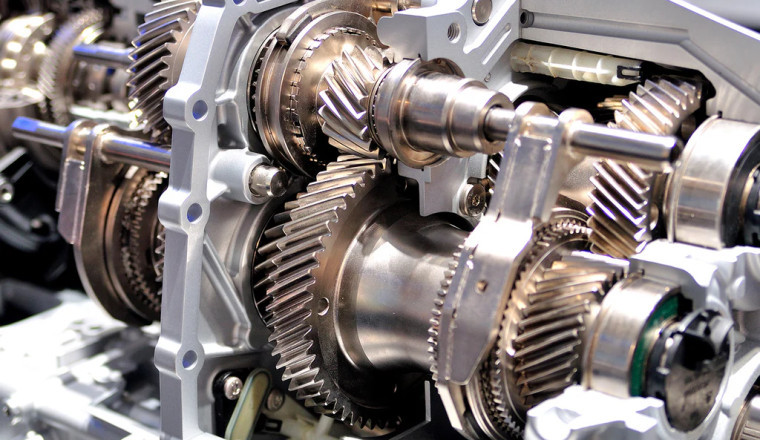
Service intervals are written by manufacturers with the main idea being to get vehicles through the warranty period while showing EPA and government watchdogs low maintenance costs. The math is simple. If the 150,000 mile service interval proves inadequate, warranties will have expired, meaning the financial risk shifts to the vehicle owner. By the time your transmission fails, the manufacturer's obligation has ended. You own the problem.
Take Ford. For many Ford vehicles under normal use, the service interval is around 150,000 miles. Sounds great until you talk to the people actually fixing these things. Ford Master Technicians often recommend a 30,000 mile interval for fluid service, especially for problematic transmissions like Ford's 6F35. That's five times more frequent than the official recommendation. Toyota suggests changing transmission fluid every 30,000 to 60,000 miles, conservative compared to competitors but realistic about what actually keeps a transmission alive.
Even selling dealership head mechanics often recommend changing fluids much sooner than official intervals. These are the people who see failed transmissions daily. For GM vehicles, many professionals use 25,000 mile intervals for transmission, axle, and transfer case fluids, though most people run 50,000 miles. Some fleet operators flush GM 8 speed transmissions every 30,000 miles as a precautionary measure after experiencing failures around 120,000 to 130,000 miles. When companies running hundreds of vehicles change fluid that often, they're not being paranoid. They're managing costs.
The worst part is the filled for life nonsense. Many OEMs provide filled for life transmissions as they seek ways to alleviate motorists from unwanted maintenance. They sound convenient until you realize the life they're referring to is the warranty period, not the vehicle's actual lifespan. They're supposed to last the life of the vehicle, but what do you suppose will happen if the transmission fails once the warranty expires? You're going to get stuck with a hefty repair bill.
And that bill is substantial. Transmission fluid changes typically cost $250 to $350 for most vehicles, but neglecting this maintenance risks severe damage, potentially leading to $4,500 to $6,000 for a rebuild and more for a replacement. The average transmission replacement costs between $5,749 to $6,303. Replacing an automatic transmission can cost anywhere from $2,500 to $6,000, or more, depending on the vehicle's make and model, and that's before labor. For automatics, the labor time is usually six to 10 hours, which could add $420 to $1,500 or more in labor charges.
Compare that to a $300 fluid service. The economics are brutal. Ignore maintenance for 100,000 miles and save maybe $1,000 in fluid changes. Risk a $6,000 transmission replacement. The manufacturers know this. They've done the math. They just know that most buyers don't keep vehicles long enough for it to matter, and the ones who do are no longer their problem.
I've spent enough years turning wrenches to know what actually makes cars last. Fluids matter. Maintenance matters. And doing it right isn't free, but neither is a failed transmission. Compared to that bill, fluid service is a bargain. The manufacturers won't tell you that, because it doesn't help them sell the next car. But the technicians who fix these things will, if you ask.