
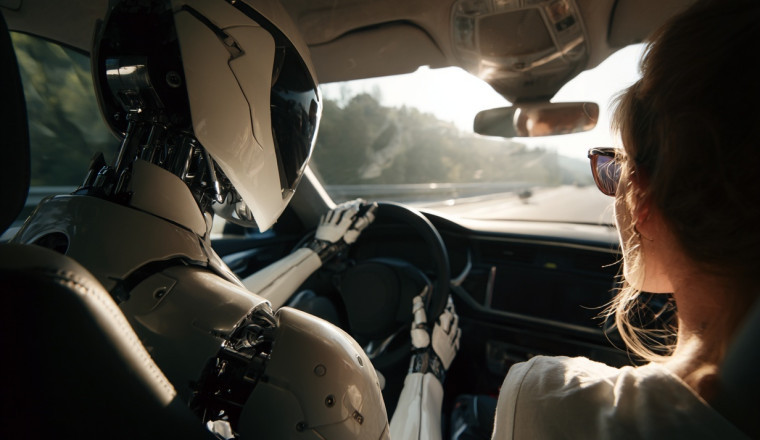

The data tells a revealing story about what happens when an entire industry gets carried away with technology. According to the latest Startline Used Car Tracker, 80% of dealers report that advanced driver assistance systems are deterring customers from purchasing newer used cars. That figure represents a fundamental rejection of what regulators and manufacturers spent years developing and mandating.
The numbers get more specific. Some 55% of dealers believe motorists remain unconvinced about the safety benefits of these recently introduced systems. Meanwhile, 20% observe customers actively choosing slightly older vehicles specifically to avoid ADAS features. Another 18% report buyers finding the technology actively annoying rather than helpful. These aren't marginal complaints. This is a market actively voting against what it's being sold.
Paul Burgess, CEO at Startline Motor Finance, acknowledged the disconnect: "New EU regulations mandated a whole host of ADAS devices from July last year and UK cars tend to be made to the same specifications. The new introductions do tend to be intrusive, such as audible warnings if you exceed the speed limit and lane departure that will take control of the steering wheel."
The intrusion matters enormously. These systems don't politely suggest you're drifting from your lane. They grab the steering wheel and yank it back. They don't gently remind you about speed limits. They emit loud beeping that resets to active every single time you start the vehicle, buried so deep in submenus that many drivers simply give up trying to disable them. The technology may prevent some accidents, but it creates constant annoyance for millions of journeys where nothing was wrong in the first place.
What makes this particularly significant is that it's happening alongside a parallel revolt against touchscreen controls. After spending the past decade eliminating physical buttons in favor of sleek tablet displays, manufacturers are now reversing course at remarkable speed. Volkswagen design chief Andreas Mindt admitted the company would "never, ever make this mistake any more" when referring to touch based controls. Hyundai has restored physical climate and audio buttons across its lineup. Porsche brought buttons back to the 2024 Cayenne. Mercedes is adding physical rollers to steering wheels after years of championing haptic sliders.
The regulatory environment is shifting too. Starting in January 2026, Euro NCAP will require physical controls for essential functions like turn signals, wipers, and hazard lights to qualify for five star safety ratings. The same organization that helped mandate ADAS features now acknowledges that burying basic controls in touchscreen menus creates safety hazards. Studies show drivers navigating through screens to program navigation or adjust climate control can be distracted for an average of 40 seconds, during which a car at motorway speeds covers more than half a mile.
The pattern is unmistakable. Manufacturers pushed technology at unprecedented speed, assuming customers would embrace innovation for its own sake. Touchscreens looked futuristic and saved manufacturing costs. ADAS features satisfied regulatory requirements and generated positive PR about safety commitments. Neither consideration involved asking whether drivers actually wanted these changes or whether the implementations would prove livable in daily use.
The answer arrived through purchasing decisions rather than focus groups. JD Power surveys show consecutive yearly declines in consumer satisfaction with vehicles for the first time in 28 years, with complicated touch based infotainment systems identified as the primary driver of dissatisfaction. Dealers report customers browsing newer inventory, discovering the mandatory beeping and steering wheel grabbing, then walking back to the older stock. The used market has become a refuge for people seeking vehicles that simply let them drive without constant technological intervention.
Door handles that actually open doors when you pull them. Climate controls you can adjust without taking your eyes off the road. Turn signals that click rather than requiring menu navigation. The ability to exceed a speed limit temporarily for overtaking without triggering an alarm that makes you feel like you've committed a felony. These aren't radical demands. They're basic expectations that somehow became luxuries as the automotive world chased its vision of the future.
The Startline research revealed something telling: none of the surveyed dealers believe customers will routinely disable ADAS features after purchase. Not because drivers accept the technology, but because the options are buried in submenus and reset to active every time you start the engine. That's not user interface design. That's enforcement through exhaustion. Manufacturers built systems drivers don't want, then made them deliberately difficult to turn off.
Burgess suggested two potential explanations: either the hassle of constantly disabling features makes people give up, or drivers will eventually become accustomed and perceive the advantages. The optimistic interpretation ignores what's actually happening in the used car market. People are choosing older vehicles specifically because they lack these features. That's not accommodation. That's rejection.
The revolution isn't just about ADAS or touchscreens. It's about an industry that lost sight of what makes cars enjoyable to own and use. The sci fi future of silent electric pods with gesture controls and constant safety interventions may still arrive someday. But it won't arrive in 2026 or 2030 as originally planned, because the people actually buying and driving vehicles never signed up for it.
Manufacturers spent years telling customers what they should want. Now customers are responding by explaining what they actually want: vehicles that work simply and reliably without requiring constant attention to manage their technological complexity. Physical buttons you can find by touch. Climate controls that respond immediately. The freedom to drive without a computer second guessing every input.
The analogue revolution has started, and it's driven by something manufacturers consistently underestimated: people who just want to get in their cars and drive without fighting the technology meant to assist them. Used car lots are becoming time machines, allowing customers to escape backwards into an era when vehicles served their owners rather than lecturing them. Twenty percent of buyers are already making that choice. Based on current trends, that percentage will only grow.
The industry is finally waking up to this reality. Physical buttons are returning. Touchscreen dominance is receding. Whether ADAS implementations will improve or simply become unavoidable remains to be seen. But one thing is clear: the days of assuming customers will embrace any technology simply because it's new are definitively over. The backlash has arrived, and it's forcing a fundamental rethinking of what automotive progress actually means.