
the people who would install those limiters are the same people currently collecting hundreds of millions of pounds a year from the fact that you can go faster than the limit and sometimes do. Nobody kills a revenue stream that size.
Let us look at what that revenue stream actually looks like, because the numbers are remarkable.
In 2024, UK drivers received 3.3 million Notices of Intended Prosecution for speeding. That is the highest figure in recorded history, up 14 per cent from 2022. Speeding accounts for 86 per cent of all motoring offences in England and Wales. The revenue from speeding fines exceeded £300 million in 2024 alone, and that figure is rising every year as the camera network expands. To put it plainly: in the time it takes to read this article, the UK government has collected several thousand pounds from drivers exceeding a number painted on a sign.
Add the adjacent revenues. Bus lane cameras collected a record £142 million from drivers in 2023/24, a 12 per cent increase on the previous year, and that figure almost certainly understates the true total because 44 councils failed to submit their data. Private parking companies issued 14.4 million charges worth approaching £1.4 billion in 2024/25. Speed awareness courses, the alternative to penalty points that most drivers choose when offered, cost typically £100 per attendee and are run by private providers who charge the system for every customer they process. Every element of the enforcement ecosystem generates income from the transgression rather than from the elimination of it.
The conflict of interest is not a conspiracy theory. It has been documented by the Vision Zero Network, the road safety body that campaigns for eliminating traffic deaths. In a 2025 report they noted directly that camera revenue "may become a relied-upon source of funding for city budgets, creating a conflict of interest that shifts the goal of the programme from safety to revenue generation." This is a road safety organisation, not a motoring lobby group, making the point.
Now add artificial intelligence, and watch the numbers accelerate.
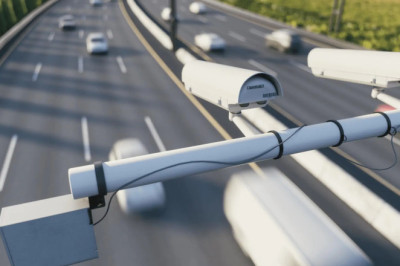
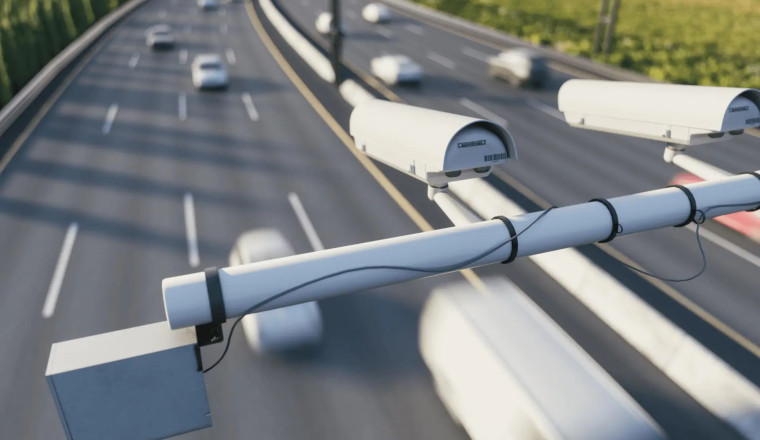
Cameras with AI capability are already on UK roads in significant numbers. The data from Freedom of Information requests shows they detect 65 per cent more offences than traditional fixed cameras. They can read mobile phone use, seatbelt violations, number plates at night and in poor weather, multiple lanes simultaneously and at speeds that defeat the reaction time of a human observer. In the United States, San Francisco installed 33 speed cameras across its network and generated between $600,000 and $1.2 million in fines in the first month of enforcement alone, from August 2025. A single camera in Toronto generated almost 70,000 tickets in a year before it was cut down from its pole for the seventh time by vandals, which tells you something about how the community felt about it.
Like this? Get the app: iOS | Android
The expansion of automated enforcement is accelerating globally because the economics are compelling. A speed camera network requires installation and maintenance. It does not require shifts, overtime, sick days, pension contributions or union negotiations. Once the capital cost is recovered, which typically takes a matter of months at current fine volumes, the ongoing revenue is effectively passive income for the authority operating it. The private companies contracted to run these systems take a share of each fine, creating a commercial interest in maximising detections that is structurally independent of any safety objective.
My son is correct that the technology exists for speed limiters. The EU's Intelligent Speed Assistance mandate, which requires ISA systems to be fitted to new vehicles approved from May 2022, is real legislation. Every new car sold in Europe has a system that can alert the driver when they exceed the limit. The regulations stop short of forcing the car to prevent the driver from exceeding it, which is precisely the distinction that matters. An alert that can be ignored leaves the fine mechanism intact. A hard limit that cannot be overridden would eliminate speeding detections, and with them, hundreds of millions in annual revenue.
There have been proposals to go further. There will be more. But follow the money and you will find the same institutions that propose tougher enforcement are the institutions that depend on the revenue from the current system working exactly as it does. The speed awareness course provider charges £100. The camera vendor takes a cut of each fine. The local authority fills a gap in its transport budget. The private parking company issues 14 million charges and collects the ones it can. None of these parties have a financial interest in the underlying behaviour stopping.
If every driver in Britain drove at or below every speed limit on every journey tomorrow, the £300 million in annual fine revenue would disappear by Thursday. No government budget has been structured to absorb that loss. No contracted camera operator has priced their service to work without a sufficient volume of violations. No speed awareness provider has a business model that survives the end of speeding.
The limiter that genuinely prevents you from speeding would be the most dangerous piece of legislation the fine industry has ever faced.
Which is why, if you read the small print, it has never actually been proposed.
Sources
- Fleet News — UK speeding problem sees motoring offences hit record high (3.3 million NIPs, 86% speeding)
- RAC Drive — Speeding fines in the UK hit four-year high
- SpeedingFineCalculatorUK — UK Speeding Fines in 2024: The £300 Million Reality Check (£300m+ revenue 2024)
- Confused.com FOI — Speeding fines surge by 14 percent in 3 years (AI cameras 65% more detections)
- Yahoo News — Drivers hit with record £142m in fines for straying into bus lanes
- GaukMotorBuzz prior coverage — Britain's Private Parking Machine Is Out of Control
- CBT News — California's speed cameras are here and your $500 ticket is already in the mail (San Francisco monthly figures)
- Vision Zero Network — Addressing Financial Impacts of Speed Safety Camera Programs (conflict of interest documentation)
- Traffic Technology Today — Are speed cameras for safety or profit?
- European Transport Safety Council — ISA mandate summary