
The late 1800s were an exciting time for industry across the globe. Steam power had given rise to rail transport and allowed factories to flourish, plus Carl Benz had come along and introduced the world to the very first combustion-powered vehicle. Completed in 1885 and patented in '86, the invention would revolutionize personal travel.
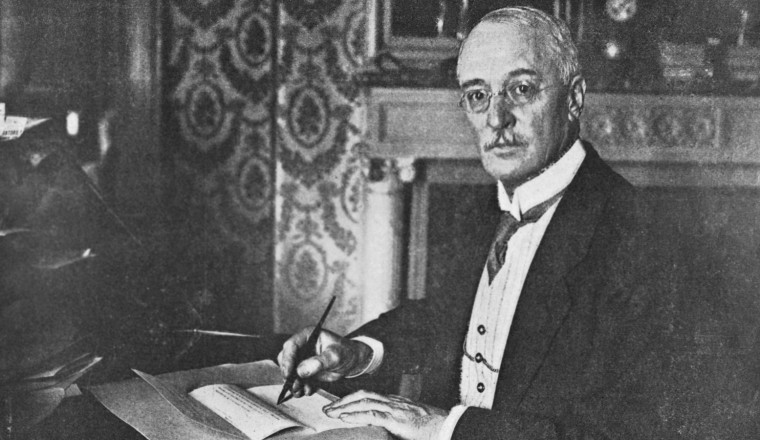
Benz's patent motor car wasn't the only solution. In 1892, Rudolf Diesel filed a patent for his "compression ignition engine," or as we'd would now call it, the diesel engine. The engine used highly compressed hot air to ignite fuel, which means diesel engines don't use a spark plug, unlike gasoline engines. Diesel's engines would go on to power thousands of factories and generators across the world by 1912.
However, on September 29, 1913, Diesel went missing on a North Sea crossing from Belgium to England while on his way to meet with the British Navy. Diesel intended to discuss powering submarines with his invention, but on October 10, the innovator was found floating in the water almost a fortnight after his disappearance.
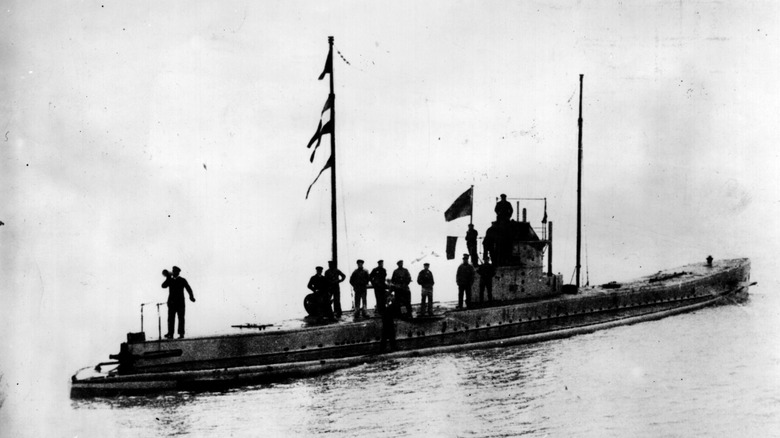
Conspiracy theories still surround why Diesel went missing. Some suspect he threw himself overboard due to spiraling debt, while others presume German spies murdered him because of his engine's importance in early U-boats. One headline read that Diesel was "Murdered by Agents from Big Oil Trusts," as his engines could run on alternative fuel sources like peanut or vegetable oil.
Topical Press Agency/Getty Images
The answer is, nobody really knows, and that's what still makes the story surrounding Rudolf Diesel's death so interesting. The official ruling is that he committed suicide, with the supposed motive being his accumulating debt and deteriorating health. Despite boasting many patents to his name and being one of the biggest names in industrial innovation at the time, Diesel's financial situation was hindered by poor investments.
While plausible, others feel the official ruling is too simple, instead suspecting foul play. Much like the murder mystery game "Clue," Diesel's death is surrounded by numerous suspects with potential motives. From German spies who possibly feared the inventor would share details of the U-boat he helped develop, to oil industry workers who might have wished to silence a key rival.
Further stories and details circulated in the years following the initial speculation. These narratives include Diesel supposedly leaving his wife a bag full of money and debt documents with directions to open it the week following his disappearance (with a cross marked next to the journal entry's date). Such details point to suicide, but the real definitive truth is unlikely to be established. Still, Diesel's legacy continues today, with his invention still highly relevant after making its automotive debut in a 1933 Citroën prototype.