

It’s a common problem for drivers every winter, especially with the recent freezing cold snap the UK has battled over the past few days - with more icy conditions still to come too.
Worse than an icy windscreen, worse than a foggy window, the biggest problem drivers face during a cold snap is the dreaded flat battery.
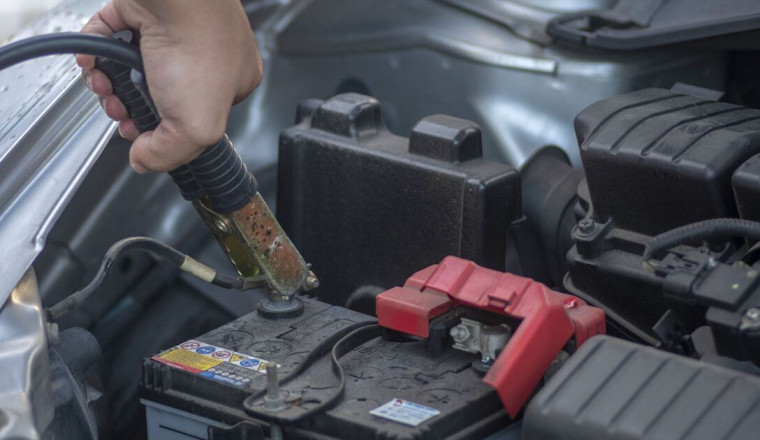
Batteries, especially older batteries in older vehicles, face challenges in colder weather. The low temperatures can cause the charge to deplete faster than usual, which can in turn lead to nothing but a clicking noise as you try to turn the ignition on and the battery is too flat to turn the engine over.
According to car dealership Perrys, there is a way to start your car more reliably in cold weather which puts less strain on the battery, which involves pressing one thing down when you start the car - the clutch pedal.
It explains: “A car battery is one of the most important parts of the car. Without it, the car engine won’t start. A weak battery causes damage to the internal engine parts, so it’s always better to keep an eye on it from time to time. This will save you a lot of money, as battery repairs can be costly.
“Additionally, during winter, batteries experience greater stress than usual, as the chemical mechanism inside the battery that generates and stores electricity, is impacted by cold temperatures, which causes it to deplete more quickly than usual.
“The starter motor and battery are relieved of stress when you press the clutch pedal while starting the car. It would be a good practice to leave your car in gear while parking it. This will help you remember to start your car with your leg on the clutch pedal, and doing this will keep the car from rolling away.”
It adds that making sure you turn off lights and regularly driving your car for longer drives will both help too: “Don’t leave your car lights on when the engine’s off, as it will drain the battery. When this happens, your car will have difficulty starting the next morning or cause a stall. Therefore, make sure you turn off your interior and exterior lights each time you switch off your engine. Otherwise, this can result in a costly error.
“The car battery charges itself when it’s up and running. To ensure that it has time to recharge on its own, it would be wise to drive your car continuously for 20 to 30 minutes at least once every week. Going for short rides will create a danger of the battery being potentially undercharged.”