
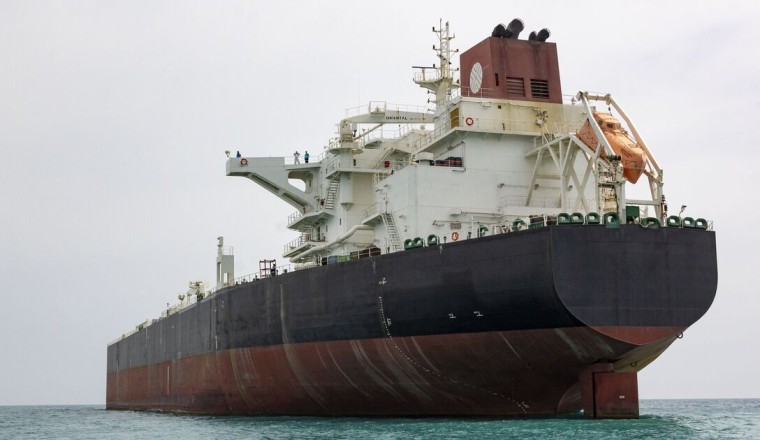

The price of oil has soared to over $100 (£75) a barrel for the first time since Russia’s invasion of Ukraine in 2022, as the war in the Middle East enters its 10th day. Brent crude futures - considered the global benchmark for oil prices - rose by 12.63% to reach $104 (£78) per barrel.
The crude oil price jump has sparked panic worldwide, with South Korea capping petrol prices for the first time in 30 years, while UK Chancellor Rachel Reeves will join an emergency meeting of G7 finance ministers this afternoon to discuss the economic impact of the war, including oil prices.
US President Donald Trump, however, has said the cost of oil is a "very small price to pay" for world peace. The spike has also led to higher petrol prices, with traders fearing that the war in Iran could lead to prolonged disruptions to global supplies.

"Short term oil prices, which will drop rapidly when the destruction of the Iran nuclear threat is over, is a very small price to pay for USA, and World, Safety and Peace," Mr Trump wrote on Truth Social. "ONLY FOOLS WOULD THINK DIFFERENTLY!"
However, drivers in the UK have been warned of a 6p-a-litre rise in petrol and diesel costs - a 16-month high. New data from the RAC has found that the average diesel price hit 148.4p on Friday, up from 142.4p per litre recorded just last week, the highest diesel price rise since August 2024.
Last week, experts at the Energy and Climate Intelligence Unit (ECIU) envisaged that road users could see as much as £500 added to their annual petrol and diesel bills if global oil prices continue to soar. They predicted that oil trading at $100 a barrel would likely lead to petrol prices jumping from 135p per litre to 150p.

Experts warn that on average, this would cost petrol drivers travelling 8,000 miles a year almost £140 more. However, if the price of a barrel of oil jumped to $120 (£90), the cost could surge to around 170p a litre, adding more than £320 a year to fuelling costs. If oil hits $150 (£112) a barrel, petrol prices in the UK could reach a whopping £1.90 a litre, increasing refuelling costs by over £500 a year.
On Sunday (March 8), members of the Trump administration defended the decision to temporarily ease some sanctions on Russian oil and predicted that the sharp rise in petrol prices caused by the war in Iran would last only a few weeks.
In a bid to shield its economy, South Korean President Lee Jae Myung said on Monday (March 9) that authorities would cap domestic fuel prices for the first time in nearly 30 years. Speaking at an emergency meeting on the impact of the Middle East crisis, Lee said the government would "swiftly introduce and boldly implement" a maximum price system on petroleum products "that have recently seen excessive price increases".
He added that South Korea will also seek sources of energy beyond those shipped via the Strait of Hormuz.