

Breaking - the deal was announced this morning. All previous articles were mere speculation.
A story claiming Rivian struck a $1.25 billion robotaxi deal with Uber for 50,000 R2 orders has been circulating, but extensive searches of official company communications, financial news outlets, and regulatory filings reveal no evidence supporting this reported partnership.
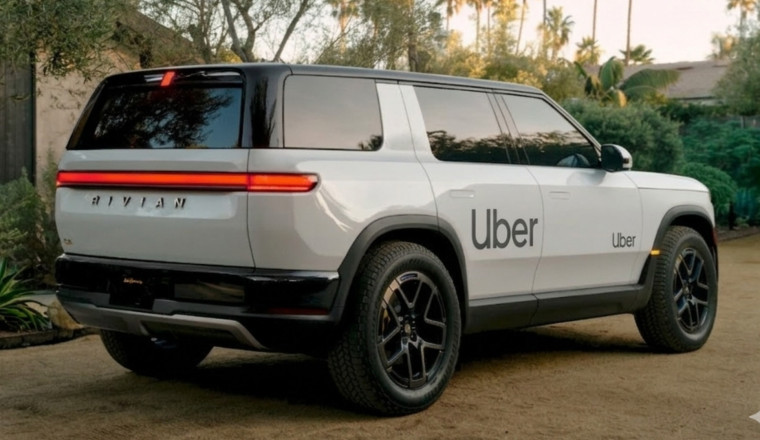
The alleged deal would represent a massive pivot for Rivian, transforming their consumer focused R2 SUV into an autonomous ride sharing vehicle. According to the unverified claims, these robotaxis would carry entire families, contrasting with Tesla's two seat Cybercab design unveiled in October 2024. Such a partnership would mark one of the largest autonomous vehicle deals in the industry's history.
Rivian's official press releases and investor relations materials contain no mention of robotaxi partnerships or autonomous ride sharing agreements. The company's most recent quarterly earnings calls and SEC filings similarly lack any reference to deals of this magnitude with Uber or other ride sharing platforms.
Uber's newsroom and official communications channels also show no announcements regarding autonomous vehicle partnerships with Rivian. The ride sharing giant typically announces significant autonomous vehicle deals through press releases, investor presentations, and regulatory filings given their material impact on business operations and financial performance.
The companies do have an established relationship, but it differs dramatically from the reported robotaxi deal. In February 2024, Rivian and Uber announced a partnership focused on delivery vehicles, allowing Rivian owners to use their trucks for package delivery through Uber's platform. This actual partnership involves existing consumer vehicles, not purpose built robotaxis.
Like this? Get the app: iOS | Android
Rivian's R2, unveiled in March 2024, was positioned as a consumer SUV starting at $45,000 with deliveries planned for 2026. The vehicle's design and marketing focus on family transportation and outdoor adventures, not autonomous ride sharing applications. Converting 50,000 units to robotaxi specification would require significant engineering modifications and regulatory approvals that have not been announced.
Major automotive deals of this scale typically receive coverage from established financial and industry publications including Reuters, Bloomberg, Automotive News, and The Wall Street Journal. A $1.25 billion partnership between two publicly traded companies would also trigger SEC disclosure requirements and appear in regulatory filings.
The automotive industry has seen legitimate autonomous vehicle partnerships announced through proper channels. GM's Cruise division, Waymo's various partnerships, and Tesla's robotaxi announcements all followed standard disclosure practices with official company statements and regulatory filings.
Without official confirmation from either company or coverage from established financial news sources, claims about this partnership should be treated with significant skepticism. Both Rivian and Uber maintain active communication channels that would typically announce deals of this magnitude, and neither has done so regarding robotaxi partnerships.
The story highlights how unverified claims can spread rapidly in automotive circles, particularly around hot topics like autonomous vehicles and electric truck partnerships. When billion dollar deals get reported without proper sourcing, it creates confusion for investors and consumers trying to understand genuine developments in the rapidly evolving mobility sector.
Sources: Rivian Official News | Uber Investor Relations | SEC EDGAR Database