
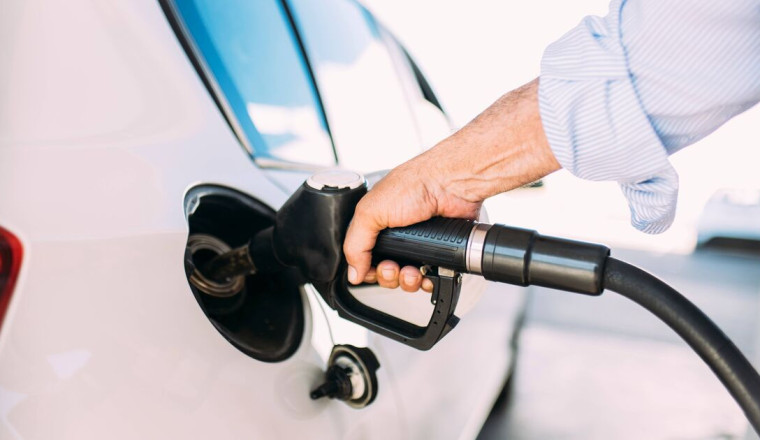

With motorists across the country struggling with escalating fuel prices and expressing concerns about availability online, numerous drivers are searching for simple, reliable ways to make every litre go that bit further.
Petrol prices are currently rising steeply amid growing tensions throughout the Middle East.
As of today (March 9), average UK prices have seen a significant increase since the end of February.
To help drivers in reducing motoring costs, Keith Hawes, Director of Nationwide Vehicle Contracts, provides six practical fuel-saving techniques designed to optimise performance, reducing strain on your vehicle, and helping your fuel budget last considerably longer.
His recommendations are set out below – including checking one specific component of your car or vehicle.
Heavy-footed acceleration and aggressive braking consume petrol far more quickly than most people realise. The faster you drive, the more fuel you use, whilst abrupt braking simply wastes energy you've already spent accelerating.
Aim for steady, controlled driving by increasing speed gradually, maintaining a consistent pace, and anticipating the road ahead so you can slow down naturally rather than slamming on the brakes.
Setting off earlier can significantly reduce your fuel consumption, especially on longer journeys.
Traffic-clogged roads mean repeated stopping, starting, and idling, all of which burn substantially more petrol than steady, uninterrupted driving.
Where possible, aim to travel outside rush hour periods. Journeys made before 11am or after 7pm typically avoid the heaviest weekend traffic congestion.
Electric vehicle drivers should also factor in charging stops when planning their route and timing their journey more strategically.
Whilst it may seem more cost-effective to open your windows instead of using the air conditioning, at motorway speeds the opposite is actually true. Open windows increase aerodynamic drag, forcing the engine to work harder and use more petrol.
For motorway or dual-carriageway driving, keeping your windows closed proves the more fuel-efficient option - and it creates a quieter, more comfortable interior environment.
Under-inflated tyres create additional rolling resistance, meaning your engine must work harder and burn more fuel. Even a minor drop below the recommended PSI can have a noticeable impact.
Check your tyre pressure at least once a month and inflate to the manufacturer's recommended levels (usually found on the door pillar or in the vehicle handbook).
A lighter vehicle means improved fuel economy.
Clear out any items you don't need, particularly heavy or bulky equipment that's unnecessary for your journey's requirements.
Additional weight places greater demand on your engine and reduces fuel efficiency.
Keeping a tidy boot boosts performance and provides savings over time.
If your car features start-stop technology, allow it to function during extended periods of waiting, such as stationary at traffic lights.
Leaving the engine idling needlessly wastes petrol and produces additional emissions.
For vehicles without this capability, selecting neutral or turning off the engine when it's safe to do so can help reduce wasted fuel.
Hawes adds: "As pressure on UK fuel supplies grows and prices fluctuate, driving efficiently has never been more important.
"Small tweaks to your driving habits, car maintenance, and journey planning can significantly improve fuel economy, helping your fuel (and your budget) go further."