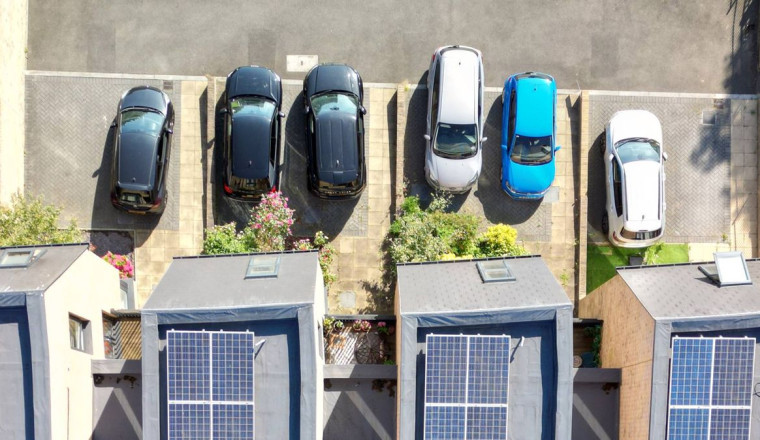

Motorists across the UK may need to reconsider whether they've got one vehicle too many sitting on their driveways. One crucial rule could see offenders hit with fines reaching £130.
Technically, no legislation limits how many cars a homeowner can keep on their private driveway, but problems arise when it blocks a dropped kerb. A dropped kerb - alternatively called a vehicle crossover - is a lowered pavement section enabling vehicles to drive safely from the road across a pedestrian footway to reach private parking. It requires lowering kerbstones and reinforcing the footway.
According to GOV.UK guidance on parking enforcement, obstructing a dropped kerb constitutes a contravention where it's used to permit vehicles or pedestrians to cross between the road and a driveway. Councils can issue a Penalty Charge Notice (PCN), usually ranging from £70 to £130 depending on the location.
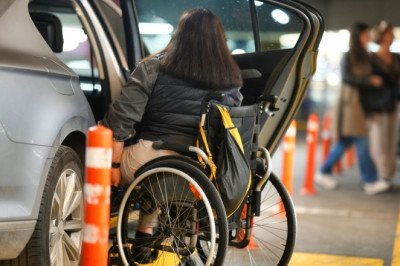
The Highway Code also cautions drivers against stopping or parking where kerbs are lowered for wheelchair users or vehicle access. It specifies this includes locations where parking would block access to driveways or pedestrian crossings.
Enforcement authorities such as the North Essex Parking Partnership state that parking beside a dropped kerb can cause "considerable inconvenience" and is actively enforced by civil officers. They confirm that vehicles obstructing more than 50 per cent of a driveway access can face a PCN.
However, there is no UK-wide legislation restricting the number of vehicles on a private driveway itself, according to UK planning guidance outlined by property and legal advice services such as Citizens Advice. The main concern is whether parking creates obstruction, nuisance, or constitutes a change of use.
Quora states households can generally keep multiple vehicles on private land if space permits, but issues emerge if storage becomes commercial in character. In such instances, planning permission may be necessary if the driveway starts functioning like a business or car park.
Local authorities also weigh up environmental and safety implications, according to GOV.UK guidance on highways and planning enforcement. This encompasses whether parking creates obstruction, limits visibility, or impacts neighbours' amenity.
The regulations surrounding dropped kerbs are also stringent, with exemptions only in restricted cases such as emergency services, loading, or where consent is correctly granted. Councils caution that informal "agreements" to park across a public dropped kerb can still lead to fines if enforcement regulations are violated.
Ultimately, experts suggest the number of cars you can park is not capped, but obstructing access is what prompts enforcement. As long as all vehicles stay within the boundary and do not block a dropped kerb, driveway capacity is largely unrestricted under UK law.