
The word "classic" carries a halo it has not always earned. Say it out loud and the mind goes straight to the good stuff: the E-Type's bonnet stretching toward the horizon, a Mustang fastback in the California sun, a Porsche 911 doing something it shouldn't be able to on a mountain road. The bedroom poster cars. The ones that earned the mythology.
Then there is the other list.
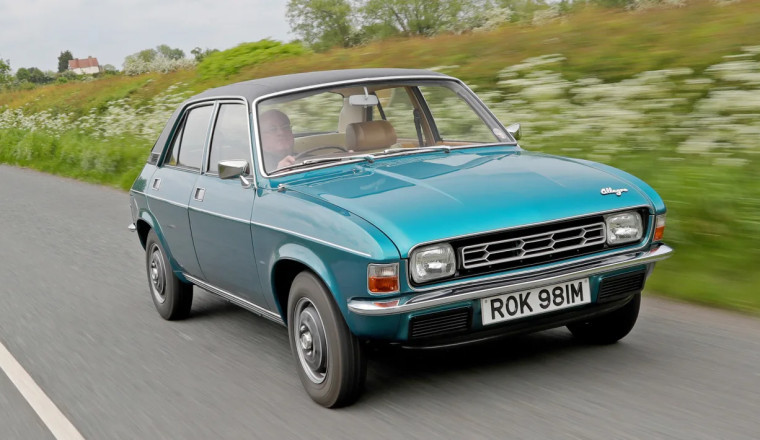
The Austin Allegro has recently received its official classic car status, which is either a triumph of automotive nostalgia or proof that the passage of time launders almost anything. The Allegro was a deeply compromised machine: unreliable, structurally questionable, equipped with a quartic steering wheel that baffled everyone who used it, and structurally so poor that the rear window could pop out when the car was jacked up. British Leyland blamed the unions. The unions blamed management. The car suffered either way.
But the Allegro is far from alone. The classic car world contains a surprising number of cars whose status owes more to survival than to merit. Here are the ones that history has been considerably kinder to than they deserve.
Reliant Robin (1973–2002)
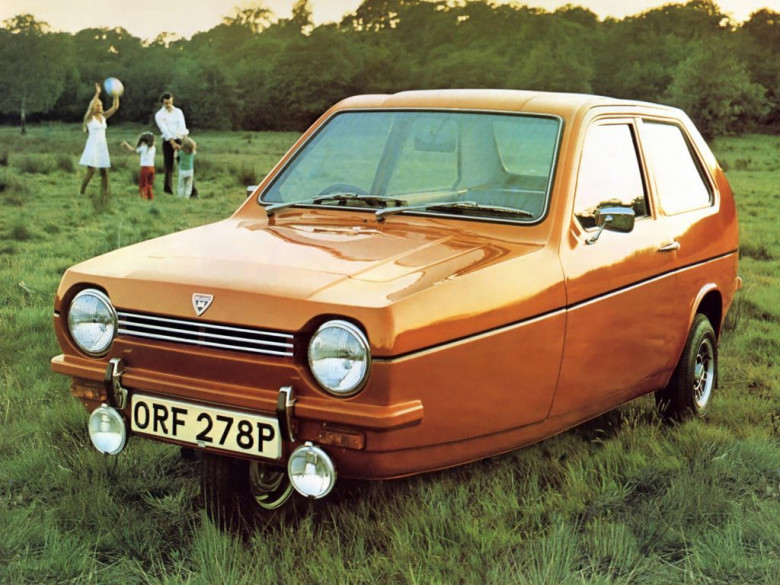
Three wheels is a design philosophy that works on some vehicles. A 1970s fibreglass shell with a single wheel at the front and a 848cc engine pushing it through corners is not one of them. The Robin's tendency to topple onto its side under enthusiastic cornering was not an urban myth — it was a documented physics problem that Reliant simply accepted as part of the package. The fact that driving one required a motorcycle licence rather than a full car licence tells you everything about how the regulatory framework categorised it. It achieved cult status through being ridiculous rather than through being good, and the two things are not the same.
Triumph Stag (1970–1977)
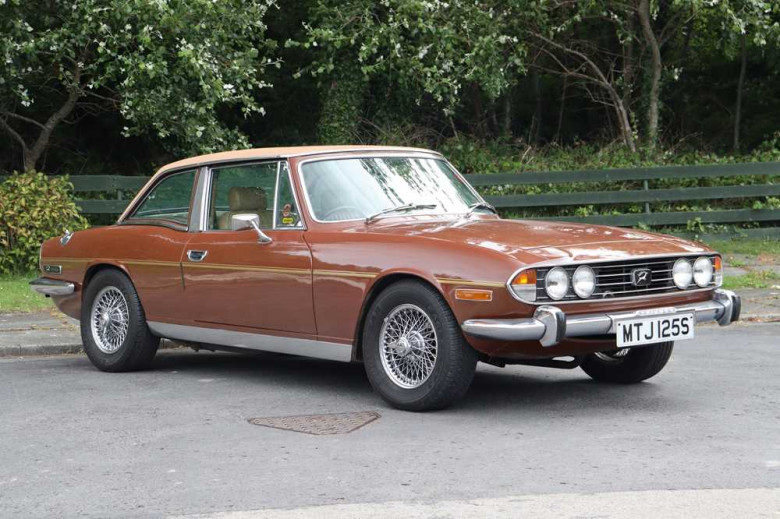
On paper the Stag had everything: William Towns styling that looked genuinely expensive, a V8 engine, a proper convertible body with a distinctive T-bar roll hoop. On the road it had a cooling system that destroyed itself and an engine that overheated so reliably that Triumph dealers kept the parts on permanent standing order. The V8 was developed in isolation from Triumph's other engines, used alloy heads on an iron block, and warped if you looked at it wrong. The irony is that the Stag with a Rover V8 swap is a genuinely desirable car. The one Triumph actually built is a different proposition entirely.
Morris Marina (1971–1980)
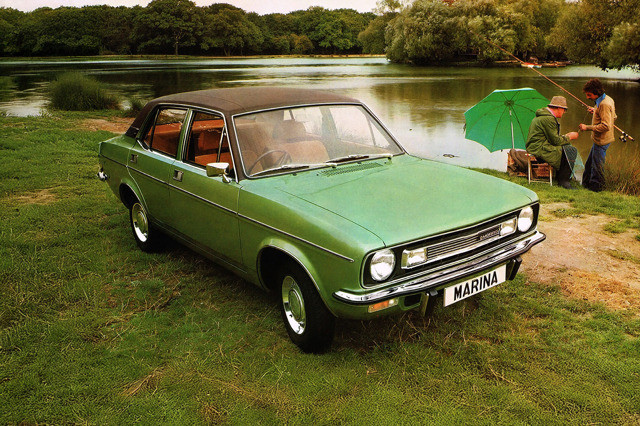
The Marina was commissioned as a simple, cheap, fast-to-build family car at a time when British Leyland desperately needed one. It delivered on two of those three requirements. The engineering was drawn almost entirely from the Morris Minor parts bin, meaning a car sold as modern in 1971 was running suspension geometry from 1948. The live rear axle, cart springs, and rack-and-pinion steering pulled from an older car combined to produce handling that contemporary road testers described with barely concealed horror. CAR magazine gave it the award for the worst car in Britain multiple times across the decade. It sold in very large numbers anyway, which says something uncomfortable about what buyers had to choose from at the time.
De Lorean DMC-12 (1981–1983)
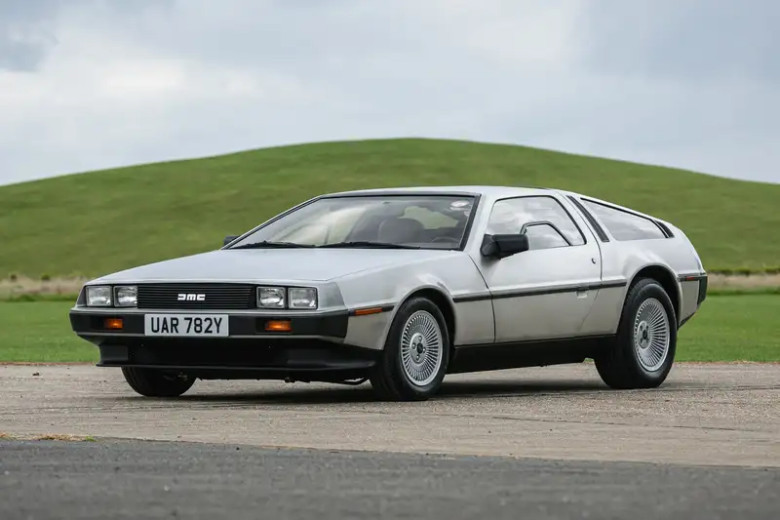
The stainless steel body is genuinely striking. The gullwing doors are genuinely dramatic. The rest of the car is genuinely mediocre. The PRV V6 engine, shared with Renault and Volvo, produced 130bhp in American specification, which was insufficient to move a car that weighed over 1,200 kilograms with any conviction. Zero to sixty took around ten seconds. The build quality at the Belfast factory was poor enough that early cars required significant dealer preparation before handover. John DeLorean's operation collapsed in 1982 amid a cocaine trafficking sting and financial scandal. The time machine mythology created by Back to the Future in 1985 did more for the DMC-12's reputation than the car ever did for itself.
Pontiac Aztek (2001–2005)
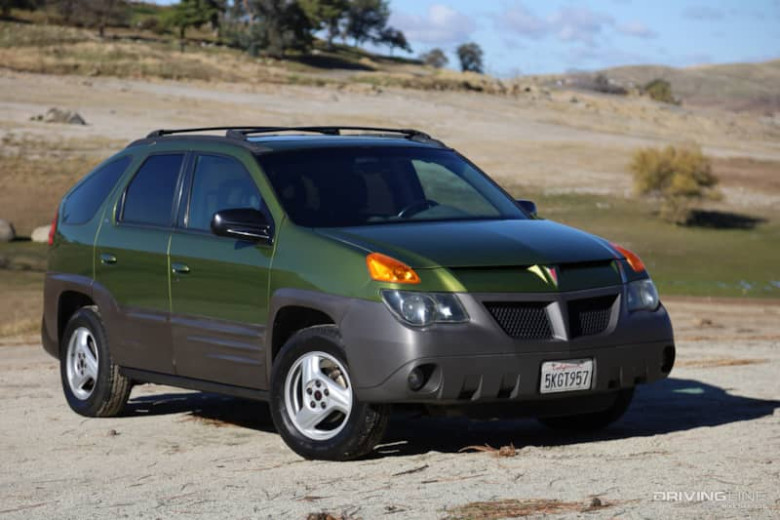
General Motors' design language had seen better decades by 2001, but the Aztek represented a specific low point. The corporate committee that approved it produced a vehicle that managed to be both visually incoherent and practically compromised at the same time. The plastic cladding, the awkward greenhouse, the mismatched body panels — all of it the product of a design process that nobody with authority ever stopped. It sold poorly enough that GM cancelled it after five years. Its subsequent rehabilitation as Walter White's car of choice in Breaking Bad is entirely a pop culture achievement. The vehicle itself was awarded worst car of the decade by multiple publications on criteria that had nothing to do with fiction.
Fiat Multipla (1998–2010)
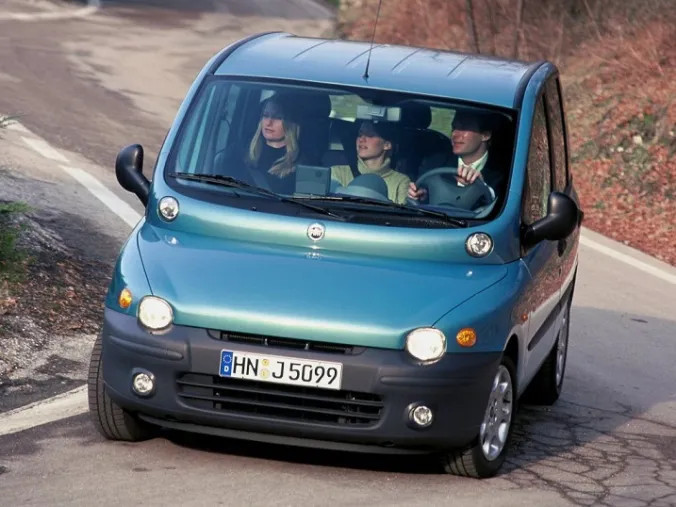
The first generation Multipla is a genuinely useful vehicle that seats six adults across two rows without a middle seat compromise, offers more interior space than its footprint suggests, and was technically innovative in ways that mattered to families who needed to carry people rather than impress them. It is also visually extraordinary in the way that requires careful word selection. The double-decker dashboard, the bulbous glasshouse, the front end that appears to have been designed by two separate teams who never communicated — all of it adds up to something that automotive historians now catalogue as either brave or catastrophically misjudged depending on who you ask. The second generation, redesigned to look normal, sold half as well. Make of that what you will.
Alfa Romeo Arna (1983–1987)
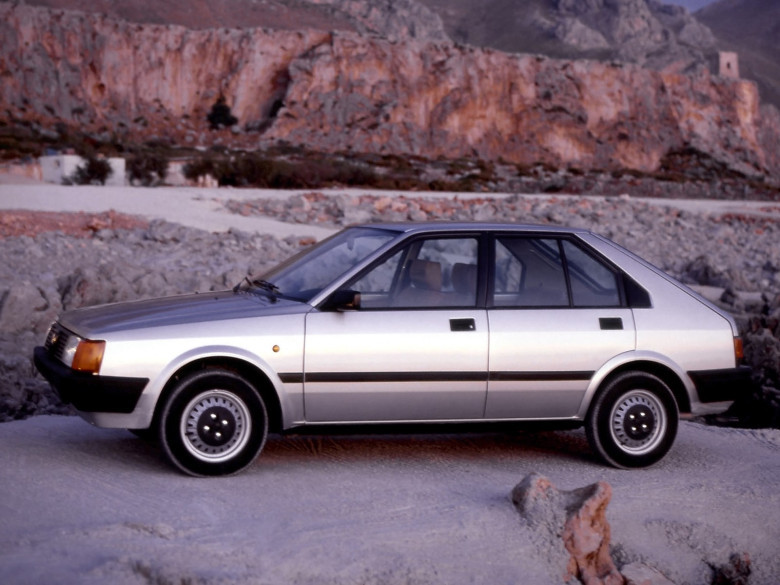
The Arna represented a collaboration between Alfa Romeo and Nissan that managed to take the worst qualities of each partner and combine them without retaining either's strengths. Nissan contributed the Cherry's body and running gear: practical, reliable, entirely devoid of character. Alfa contributed the Alfasud's drivetrain: characterful, rewarding to drive, and with a reputation for rusting that made British Leyland products look positively durable. The result was a car that rusted like an Alfa and drove like a Nissan. Critics at the time described it as achieving a uniquely comprehensive failure. It was discontinued after four years and is now so rare that finding a survivor requires genuine effort, which may be the market providing a verdict.
Classic status is awarded by survival, not by quality. Every car on this list made it to a point where enough time had passed that the frustration had faded and the nostalgia could take over. The Allegro's quartic steering wheel is charming now. In 1975, when it failed to self-centre properly coming out of a roundabout, it was not charming at all.
The bedroom poster cars earned their mythology. These ones had it conferred on them by the calendar. There is a difference, and the difference is worth remembering the next time someone pays £15,000 for a Marina at auction and calls it an appreciating asset.