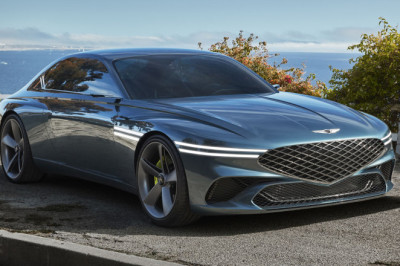

Jaguar is reportedly reconsidering its commitment to launching exclusively as an electric vehicle brand when new models arrive in late 2026, according to automotive industry sources speaking to trade publications in January 2026. The rumoured pivot would mark a dramatic reversal of the "Reimagine" strategy announced in 2021, which promised that every new Jaguar would be purely electric, positioned at ultra-luxury price points starting around £100,000, and targeted at wealthy buyers willing to pay Bentley money for reinvented British performance.
The company officially denies any strategy change. "Jaguar remains committed to our all-electric future and the Reimagine strategy," a spokesperson stated when asked about the rumours. "Our new vehicles launching in 2026 will be electric, and we have not altered our plans."
However, multiple sources within Jaguar Land Rover's supply chain and dealer network suggest that hybrid powertrains are being developed as contingencies, and that internal discussions about offering combustion options alongside electric variants have intensified as the reality of collapsing sales and customer alienation has become undeniable.
The Numbers Tell A Brutal Story
The case for reconsidering pure electric strategy doesn't require speculation. The data speaks clearly. Jaguar registered 49 vehicles across all of Europe in April 2025, down from 1,961 units in April 2024, a 97.5 percent year-over-year collapse. While the company correctly notes that this reflects their intentional production halt rather than market rejection, the question remains whether customers will return when new electric vehicles finally arrive.
Early indicators suggest many won't. Dealer reports from across Europe and America describe customers who inquired about new Jaguars, learned they would need to wait until 2026 or 2027 for electric models priced substantially higher than previous offerings, and subsequently purchased BMWs, Mercedes-Benzes, or Audis instead. Once lost to competitors, these customers rarely return.
The controversial November 2024 rebrand alienated substantial portions of Jaguar's traditional customer base. The advertisement featuring androgynous models in bright colours with the slogan "Copy Nothing" generated 160 million views but virtually all of the response proved negative. The deletion of Jaguar's entire social media history, elimination of the iconic leaping Jaguar logo from primary branding, and messaging that told existing customers their preferences represented "ordinary" that needed deleting created wounds that electric vehicles arriving in 2026 may not heal.
The EV Market Reality
Beyond Jaguar's self-inflicted brand damage, the broader electric vehicle market has failed to develop as optimistically projected in 2021 when Jaguar announced its all-electric strategy. Consumer adoption has plateaued rather than accelerating exponentially. Charging infrastructure remains inadequate. Range anxiety persists despite improving battery technology. And most critically for Jaguar, the premium electric vehicle segment has become brutally competitive.
Tesla dominates with established products and brand loyalty. Porsche's Taycan appeals to performance buyers with heritage and driving dynamics. BMW, Mercedes-Benz, and Audi offer electric options alongside combustion vehicles, giving customers choice rather than ultimatums. Chinese manufacturers including BYD produce sophisticated electric vehicles at price points Western brands cannot match while maintaining margins.
Jaguar plans to enter this crowded, competitive market with no recent track record, having sold essentially zero vehicles for over a year, with a controversial rebrand that alienated traditional customers, at ultra-luxury prices around £100,000 that position them against Bentley and Rolls-Royce despite lacking comparable brand prestige or heritage in that segment.
The logic that worked in 2021, when electric vehicle enthusiasm peaked and manufacturers rushed to announce aggressive electrification timelines, has collided with 2026 reality where consumer hesitation, infrastructure limitations, and intense competition make pure electric strategies increasingly risky.
What Jaguar Actually Built

The irony of Jaguar's current predicament becomes painful when considering what the brand historically represented. Enzo Ferrari, who understood automotive beauty and performance as well as anyone, reportedly called the E-Type "the most beautiful car ever made." That assessment, from a man who built some of history's most gorgeous vehicles, represents endorsement that money cannot buy and marketing cannot manufacture.
The E-Type, launched in 1961, combined stunning aesthetics with genuine performance, offering 150 mph capability when most cars struggled to reach 100 mph, wrapped in bodywork that looked like sculpture. It represented everything Jaguar meant: beauty, performance, British character, and value that undercut Italian exotics while matching or exceeding their capabilities.
Later Jaguars including the XJ sedans, the XK sports cars, and the F-Type continued this tradition with varying success. When Jaguar built cars emphasizing beautiful design, powerful engines, and driving pleasure, the brand resonated with enthusiasts worldwide who appreciated British automotive character distinct from German precision or Italian exotics.
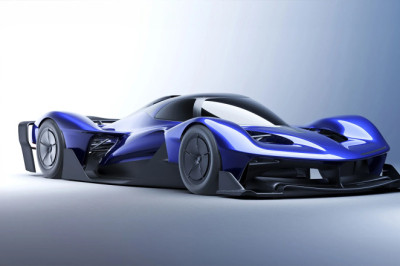
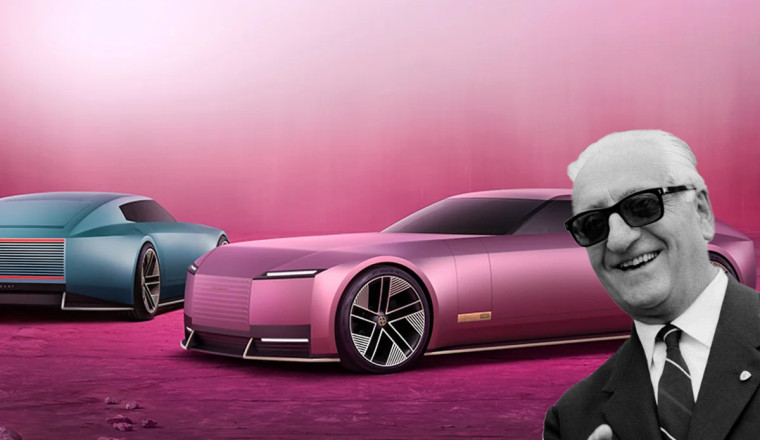
The current strategy abandons this heritage entirely. The Type 00 concept revealed in December 2024, presented in Miami Pink and London Blue with angular styling that generated comparisons to air conditioning vents and Barbie's car, bears no aesthetic relationship to the E-Type that Enzo Ferrari praised. The messaging about deleting ordinary and copying nothing explicitly rejects Jaguar's past rather than building upon it.
One can only imagine Ferrari's response if he were alive to see what's become of the company that built the car he considered most beautiful. The laughter wouldn't be kind.
The Logical Path Forward
If Jaguar genuinely wants to survive rather than becoming a case study in how to destroy a heritage brand, several directions present themselves, each with advantages and challenges.
Option One: Hybrid Compromise
Offering plug-in hybrid powertrains alongside pure electric variants provides customer choice that successful transitions require. BMW, Mercedes-Benz, and Audi demonstrate that this approach works, giving customers ready for full electric the option to purchase EVs while maintaining combustion alternatives for those not ready to make that leap.
Hybrids address range anxiety, charging infrastructure limitations, and buyer hesitation while still offering improved efficiency and reduced emissions compared to pure combustion. The technology exists, development costs have already been absorbed across parent company Jaguar Land Rover's platforms shared with Land Rover, and the flexibility would substantially expand potential customer base beyond pure electric buyers.
The disadvantage involves diluting the "bold vision" that Jaguar's leadership believed would differentiate them. Offering hybrids admits that the all-electric gamble was wrong and that Jaguar must compete on similar terms to everyone else rather than creating a unique purely electric luxury brand.
Option Two: Return to Jaguar's Roots
Jaguar could abandon the ultra-luxury positioning entirely and return to what historically worked: beautiful, powerful, characterful sports cars and sedans priced to offer value versus German competitors. Build modern successors to the E-Type and XJ that emphasize stunning design, engaging driving dynamics, and British character rather than chasing Bentley buyers with £100,000 electric GTs.
This approach requires admitting the entire Reimagine strategy was misguided, a difficult acknowledgment for leadership that spent four years and billions pursuing that vision. However, the brand damage from continuing down the current path likely exceeds the embarrassment of reversing course and rebuilding from foundations that actually resonated with customers.
Jaguar historically succeeded by offering 80 to 90 percent of German competitor capability at 70 to 80 percent of the price, wrapped in distinctive British styling. A new F-Type replacement priced at £60,000, offering stunning design and 400 horsepower, would find customers. A £130,000 electric GT with controversial styling that tells customers their previous preferences were "ordinary" will not.
Option Three: Niche Performance Electric
Rather than chasing volume with practical electric vehicles, Jaguar could embrace low-volume, high-performance electric sports cars that leverage EV technology's performance advantages while maintaining compact, focused character that enthusiasts value.
Think electric equivalent to the F-Type: two seats, beautiful design, 600 horsepower from electric motors, priced around £80,000 to £100,000. This occupies different territory than Tesla's Model S, Porsche's Taycan, or BMW's i4, all of which are practical four-door performance sedans. A focused electric sports car leveraging Jaguar's design heritage could carve a defensible niche.
The challenge involves volumes. Low-volume niche vehicles require pricing that covers development and manufacturing costs across small production runs. Jaguar's current financial position, having sold essentially zero vehicles for over a year while burning parent company resources, may not allow the patient capital required for a successful niche strategy.
Option Four: Radical Honesty and Rebuild
The nuclear option involves admitting publicly that the Reimagine strategy and rebrand were mistakes, apologizing to alienated customers, and starting fresh with a back-to-basics approach that respects Jaguar's heritage while building modern vehicles people actually want to buy.
This requires humility that corporate leadership rarely demonstrates. It means firing or reassigning everyone responsible for the current disaster, bringing in new leadership with fresh perspectives, and accepting several years of losses while rebuilding credibility and reestablishing the brand in customers' minds as something other than the company that deleted its history and told customers they were ordinary.
The advantage: customers appreciate honesty and often forgive companies that admit mistakes and genuinely change course. The disadvantage: the people currently running Jaguar would need to acknowledge their failures and step aside, which rarely happens willingly.
What's Actually Happening
The rumoured pivot to offering hybrid options alongside pure electric vehicles, if true, represents a half measure that addresses practical concerns about customer choice and market reality while avoiding the harder questions about whether Jaguar's entire strategic direction makes sense.
Adding hybrids helps, certainly. It expands potential customer base and provides fallback if pure electric demand proves insufficient. But it doesn't address the deeper problems: alienated customers, controversial rebrand, messaging that insults the people you're trying to sell to, and positioning in ultra-luxury territory where Jaguar has never successfully competed.
The denial of any strategy change could be accurate, with the rumours reflecting supplier speculation rather than actual company plans. Alternatively, it could represent standard corporate practice of denying reports until officially ready to announce changes, buying time to finalize decisions and control messaging rather than responding to leaks.
Either way, Jaguar faces fundamental questions about its future that offering hybrid powertrains alongside electric doesn't fully answer. The brand needs customers who want to buy Jaguars. Right now, based on sales of 49 vehicles per month across all of Europe, those customers have largely disappeared, driven away by a combination of no available products and messaging that told them their preferences don't matter.
The Enzo Ferrari Question
Would Enzo Ferrari laugh at current Jaguar? Almost certainly. The man who built a company around beautiful, powerful, emotional sports cars would find little to admire in a brand that deleted its history, eliminated its iconic logo, showed no cars in its advertising, presented concepts that look nothing like the E-Type he praised, and told customers who loved previous Jaguars that they were ordinary and needed deleting.
Ferrari built a brand on heritage, emotion, and performance. Jaguar possessed all three and threw them away chasing a vision of ultra-luxury electric vehicles that no one asked for and few customers want to buy at the prices Jaguar intends to charge.
The tragedy is that Jaguar could have succeeded. A beautiful electric sports car that looked like a modern E-Type, priced competitively, emphasizing British design and performance heritage while incorporating EV technology, would have found enthusiastic customers. Instead, Jaguar chose controversy, alienation, and positioning in segments where they've never competed successfully.
Whether the rumoured pivot to hybrids represents genuine strategy reconsideration or merely supplier speculation, the underlying reality remains: Jaguar is failing, customers are fleeing to competitors, and the current path leads to irrelevance or extinction. Adding hybrid options helps marginally but doesn't solve the fundamental problems of brand damage and strategic confusion.
The most logical direction? Return to what Jaguar historically did well: build beautiful, powerful, distinctively British cars that offer compelling value versus German competitors while respecting the heritage that created the most beautiful car Enzo Ferrari ever saw. Abandon the ultra-luxury positioning, fire everyone responsible for the rebrand disaster, apologize to alienated customers, and start rebuilding from foundations that actually work.
Will Jaguar do this? The denials suggest no. The rumours suggest maybe. The sales figures suggest they'd better, because the current path ends in the same place as Rover, Austin, and other once-great British automotive brands that no longer exist. And that would be the final insult: destroying a company that built the most beautiful car in the world because leadership thought they knew better than Enzo Ferrari what beauty and performance mean.