

 View 2 Images
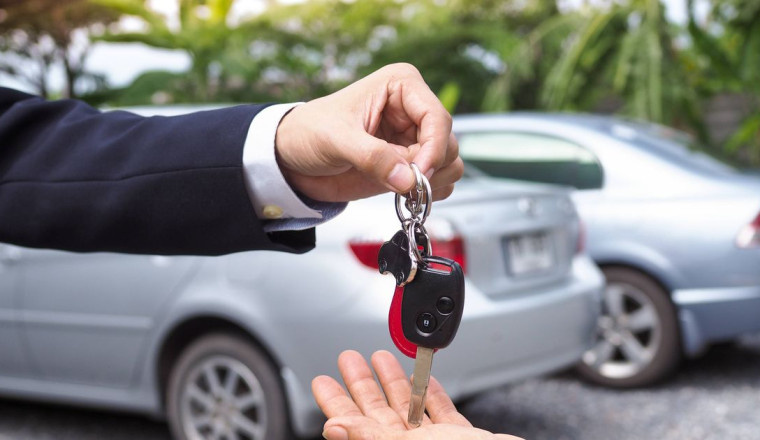
Motorists are being warned to work through a rigorous checklist(Image: Nuttawan Jayawan via Getty Images)
Buying a second-hand motor can save you money - but overlook one essential check and you could be facing a costly disaster, potentially losing both the car and your hard-earned money.
With vehicle theft remaining a significant issue and stolen cars frequently appearing on the used market, motorists are being warned to work through a rigorous checklist before parting with any cash. Official Government guidance emphasises that most of the critical checks can be carried out free of charge, online, and within minutes - even before you arrange a viewing.
View 2 ImagesBuying a second-hand motor can save you money(Image: DuxX via Getty Images)
Before stepping onto a seller's property or visiting a dealership, prospective buyers should request the registration number, make and model, plus the MOT test number.
These particulars should then be verified against official DVLA records to confirm everything tallies up.
Buyers are also advised to check:
The Driver & Vehicle Standards Agency confirms that motorists can readily obtain this information online.
In a message posted on X, the DVSA explained: You can check a vehicle's MOT history online:
The online MOT history service enables buyers to discover whether a vehicle has passed or failed previous examinations, the recorded mileage at each MOT, and any advisories or minor defects identified by testers. What to scrutinise when you view the vehicle.
When you're up close and personal with the car, the paperwork is just as crucial as the bodywork. Prospective buyers should always request to see the V5C vehicle registration certificate, often referred to as the log book. It must feature a 'DVL' watermark, and drivers are advised to examine the serial number meticulously.
If the serial number is between BG8229501 to BG9999030, or BI2305501 to BI2800000, the V5C might be stolen. The official guidance is straightforward: ring the police as soon as it's safe.
The details in the log book should correspond with the registration, make and model already verified online. Buyers should also check the vehicle identification number (VIN) and engine number, ensuring they align with the information on the V5C. Any inconsistency is a significant warning sign.
The government's MOT history service spans back years and can reveal patterns of neglect or recurring faults. For cars, motorcycles and vans, MOT results from tests conducted since 2005 are accessible, indicating where each test was performed, what failed, and whether issues were categorised as minor or serious.
In certain instances, MOT records may also disclose if a vehicle has been recalled for safety reasons, depending on the manufacturer.
Even when the keys are in your hand, there's one crucial task that can't be overlooked. Motorists must get the vehicle taxed straight away, using the green 'new keeper' section from the V5C logbook. The tax doesn't automatically carry over when ownership changes hands.
Skip this step, and you're risking a penalty - even if the motor stays parked on your drive.
Taking a punt on a second-hand car without properly vetting its past is a risk nobody should be willing to take. With free government resources at your fingertips that can flag up whether a motor's been nicked, deemed dangerous or is concealing major problems, industry insiders reckon there's simply no reason to dodge these vital checks.
A couple of minutes spent online could mean the difference between bagging yourself a cracking deal - and helplessly watching your supposedly new pride and joy being hauled away on a flatbed.