

A lesser-known Highway Code regulation could see motorists hit with a £70 penalty, and many drivers may be violating it unknowingly.
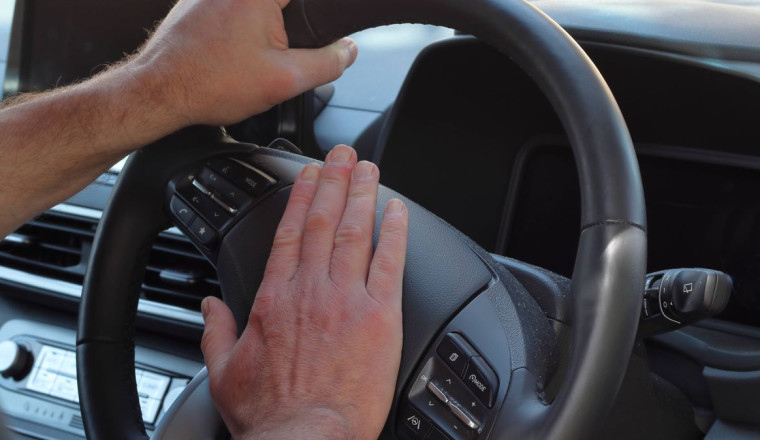
The car horn is vital for road communication, but it can turn into a problem if used "improperly". Rule 112 of the Highway Code specifies: "Use only while your vehicle is moving and you need to warn other road users of your presence. You MUST NOT use your horn while stationary on the road". This means that drivers who sound their horn in standstill traffic, or to announce their arrival, are technically breaching the regulation.
And it even extends to your own driveway. Additionally, using the horn aggressively is discouraged, and its use is strictly forbidden in built-up areas from 11.30pm to 7am - unless another road user poses a danger.
Penalty Charge Notices (PCNs) aren't restricted to parking violations; they can also be handed out for contravening traffic rules like improper horn use. PCNs differ in price depending on the offence and location but typically range from £50-£70 across many UK regions, with reductions available when settled within a fortnight.
Should a driver ignore a PCN, this could result in court proceedings and potentially escalate the penalty to as much as several thousand pounds. Drivers are also recommended to check their horn is functioning correctly before an MOT test as, according to the MOT inspection manual, the horn or audible warning system "must be loud enough to be heard by other road users" - or it would result in the vehicle failing the test.
There are also strict rules governing the sound your horn must make; it cannot be mistaken for an emergency services vehicle. Gongs, bells and sirens are completely banned, with the sole exception of vintage vehicles manufactured before 1906. The horn's tone must be "continuous and uniform" and must not emit a "harsh or grating" noise.