
The mathematics are brutal for motorists and beautiful for governments. When Brent crude climbs from $80 to $90 per barrel, fuel duty and VAT revenues explode exponentially, creating a fiscal windfall that makes treasury ministers quietly celebrate while drivers queue at petrol stations.
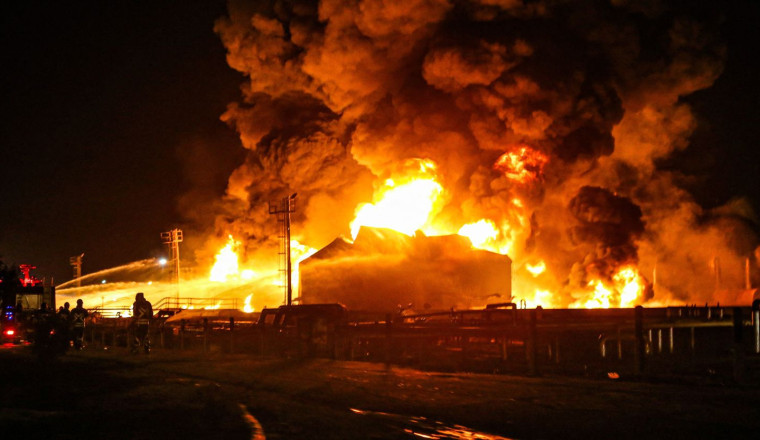
The current Middle East tensions have pushed oil prices up approximately 12% since early October, according to the US Energy Information Administration. But here's where the numbers get interesting. In the UK, where fuel duty sits at 52.95 pence per litre plus 20% VAT on the total price, the government collects roughly 65% of what you pay at the pump. When crude oil prices rise by £10, the pump price might increase by £15, but the government's VAT take grows on that entire £15 increase.
HM Treasury collected £24.7 billion from fuel duty alone in 2023-24, representing a substantial chunk of the £820 billion total government receipts. But it's the VAT component that creates the exponential effect. As HM Revenue and Customs data shows, VAT on fuel generates an additional £5-6 billion annually, and this figure rises automatically with every pump price increase.
The situation in America follows similar patterns with different numbers. Federal gasoline tax stands at 18.4 cents per gallon, while state taxes range from Alaska's modest 14.98 cents to California's punishing 68.1 cents per gallon. The American Petroleum Institute calculates that combined federal and state fuel taxes generated approximately $88 billion in 2023.
But unlike the UK's percentage based VAT system, most US fuel taxes are fixed amounts per gallon. This means American governments miss out on the exponential revenue growth that their British counterparts enjoy during price spikes.
Like this? Get the app: iOS | Android
Some governments have attempted to cushion drivers during price spikes. The UK implemented a 5 pence fuel duty cut in March 2022 that remains in place, costing the treasury approximately £2.4 billion annually according to the Office for Budget Responsibility. Several US states declared gas tax holidays during 2022 price surges, with Georgia, Connecticut, and others temporarily suspending state fuel taxes.
The policy question grows more complex when you examine the relationship between crude oil prices and government revenues. A £10 per barrel increase in Brent crude might add £6-8 to the cost of filling a typical car tank, but the government's VAT take increases by £1.20-1.60 on that same transaction. Scale this across the UK's 38 million vehicles, and the revenue implications become substantial.
Dr Sarah Thompson, a public finance expert at Manchester University, explained the dilemma in a recent university publication: "Fuel taxation creates a natural hedge for governments against economic shocks. When energy prices rise due to geopolitical events, the automatic increase in tax revenue helps offset other economic pressures. But this comes at the direct expense of consumers who are already struggling with higher costs."
The current surge in oil prices, driven by fears over Middle Eastern supply disruptions, presents governments with an uncomfortable political reality. Treasury departments across both sides of the Atlantic are seeing revenue increases that significantly exceed the actual rise in underlying oil costs. Whether they choose to pass any of this windfall back to drivers through tax cuts remains a test of political will versus fiscal opportunism.
For motorists watching fuel prices climb, the mathematics are clear. Every pound increase at the pump generates approximately 33 pence for the government through VAT and duty combined. The question isn't whether governments benefit from higher fuel prices. It's whether they'll admit it.
Sources: HM Revenue and Customs Receipts Bulletin | US Energy Information Administration | American Petroleum Institute | Office for Budget Responsibility Autumn Statement 2023