
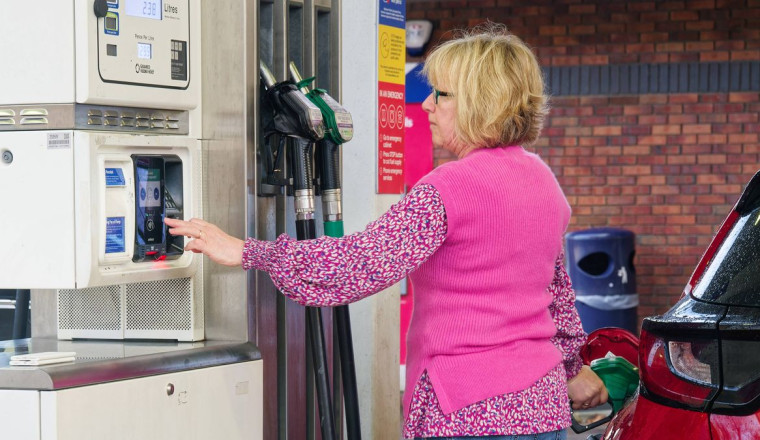

UK drivers are being given some good news for the first time since the Iran war began at the end of February. The US and Israel attacks on Iran sent global oil prices rocketing and prices at the pumps in the UK soared rapidly as a result.
From relatively stable costs at the start of the year, with prices for both fuels sitting in the 130p to 140p range, the shock was hard and fast, with prices heading towards 160p for petrol and north of 190p for diesel, adding a substantial cost to filling a tank. However, a tentative ceasefire has led to oil prices dropping back below $100 dollars per barrel, although they remain well above where they were before the latest conflict began.
The key reason for oil soaring was the closure of the Strait of Hormuz, a key shipping route for the world's supply. It remains severely restricted via a US blockade and Iranian attempts to control which ships pass through and it is a central focal point for what happens to fuel prices.
On Friday, Prime Minister Sir Keir Starmer said he would “do everything I can” to alleviate the impact of the Iran war on the public and reopen the Strait of Hormuz.
Asked what the point of Friday’s meeting with fellow leaders in Paris was, the Prime Minister told reporters: “It is very important that we build a coalition of countries around the principle that the ceasefire should be permanent, there should be a deal, and that the Strait of Hormuz is open. It is in all of our interests to do that, because what’s happening in the war in Iran is affecting each of our economies.
“That’s why countries are coming together. Everybody is clear that in order for that to happen, we need a diplomatic and political limb, we need a logistics and economic limb, and we need some military planning, and that is what we’re coming together to do today.
“And it’s the right thing to do, because the longer this conflict goes on, the more the impact, and I’m mindful that people across the United Kingdom, that’s impact on them and the cost of living and I will do everything I can with other countries to alleviate that and get the strait open as soon as possible.”
But oil prices being consistently below $100 per barrel recently means that continued price rises at the pumps have stopped. And now the RAC has confirmed that average prices began to fall yesterday for the first time since the war began.
It said that they had gone "a little further today", with petrol below 158p and diesel below 191p for the first time since April 8. The situation remains fragile and volatile, however.
RAC head of policy Simon Williams said: "After 46 days of rising prices, the cost of both petrol and diesel across the country has finally begun to drop very slightly. Wholesale prices are still lower, so we're hopeful there will be further reductions amounting to several pence a litre in the coming days.
"After record rises, drivers will be relieved to finally see prices going the other way. While we're a long way from a return to the prices we had at the start of the conflict, there's now a glimmer of light at the end of the tunnel."