
As car tastes and market trends shift, a new generation of vehicles is poised to become future classics, drawing the attention of collectors and investors nationwide. This guide explores the essentials of American classic car investing, highlights promising candidates, and shares strategies for building a collection that excites and appreciates.
What Defines a Future Classic Car?
A future classic in the American market is often a car that didn’t seem exceptional at launch but is now rising in desirability, rarity, and value. Attributes that make a car an investment-grade classic include:
-
Distinctive design and unmistakable style
-
Limited production runs or special editions
-
Iconic motorsport or performance pedigree
-
Cultural impact, such as movie fame or enthusiast cult following
-
Strong owner community recognition and support
-
Documented provenance and unmolested originality
Spotting vehicles with these characteristics early can pay dividends as the market rewards authenticity, rarity, and nostalgia.
How to Spot a Future Classic
Several clues can help identify American cars with classic potential:
-
Low-volume models, especially special or anniversary editions like the Mustang SVT Cobra R or Buick Grand National
-
Models representing engineering innovation—turbocharged, supercharged, or early performance EVs
-
Cars beloved by enthusiast communities or featured in movies/TV (think Corvette Z06, Acura Integra Type R)
-
Vehicles marking significant milestones for brands or American automotive history
Best Bets for Future Classics
Here’s a table of US-market models with strong potential for classic status—including notes on why they stand out and current trend pricing:
| Model | Years Built | Key Features | Current Pricing | Classic Potential |
|---|---|---|---|---|
| Dodge Viper GTS | 1996–2002 | V10 engine, raw design, limited build | $110,000–$150,000 | Very High |
| Chevrolet Corvette Z06 (C5) | 2001–2004 | Lightweight, LS6 V8, track pedigree | $30,000–$55,000 | Rising |
| Buick Grand National | 1984–1987 | Turbo V6, motorsport icon | $40,000–$80,000 | Excellent |
| Pontiac Firebird Trans Am WS6 | 1998–2002 | Performance muscle, T-top styling | $23,000–$38,000 | Gaining Attention |
| Ford Mustang SVT Cobra R | 2000 | Track-ready, extremely limited | $65,000–$110,000 | Very High |
| Acura Integra Type R DC2 | 1997–2001 | High-revving, lightweight, cult car | $45,000–$75,000 | Excellent |
| Jeep Cherokee XJ | 1984–2001 | Simple design, off-road legend | $15,000–$28,000 | Strong |
| Chevy Silverado SS | 2003–2006 | Performance pickup, collectibility | $18,000–$30,000 | Promising |
| Plymouth Prowler | 1997–2002 | Retro-futurist roadster | $25,000–$40,000 | Cult Favorite |
| Ford F-150 Lightning Gen 1 | 1993–1995 | Early performance truck | $27,000–$45,000 | High |
Why These Models Stand Out
The Dodge Viper GTS and Corvette Z06 are true American performance icons, pairing brute force with heritage. The Buick Grand National commands attention for its turbocharged punch and racing success. The Mustang SVT Cobra R stands out as a rare, track-focused muscle car, while quirky icons like the Plymouth Prowler and Silverado SS reflect unique periods of automotive style and engineering. These cars were built for enthusiasts and have a loyal following that keeps prices buoyant and demand strong.
Key Investment Strategies
- Condition and Provenance
Buy the best example you can afford with documented service, original features, and matching numbers. Factory paint, rare options, and full ownership history mean higher future value. - Mileage and Usage
Low-mileage, well-kept cars are always attractive, but those with regular use and diligent maintenance can also appreciate if they are healthy and reliable. - Storage and Maintenance
Proper climate-controlled storage and scheduled maintenance protect long-term value and keep your investment in show-ready shape. - Documentation and History
Keep thorough records—titles, service receipts, restoration details—since buyers and collectors value cars with a paper trail. - Watch Market Trends
Monitor auctions, publications, and enthusiast forums to stay ahead of shifts in taste—what’s hot today may be iconic tomorrow.
Classic Car Investment Pitfalls to Avoid
-
Overspending on market “hype” without fundamentals
-
Failing to vet titles, reported accidents, or major repairs
-
Accepting heavily modified or improperly restored vehicles unless originality isn't a concern
-
Ignoring restoration costs or hard-to-find parts
-
Neglecting appropriate insurance for collectible cars
-
Missing legal changes (such as emissions or registration restrictions)
Conclusion
For collectors and enthusiasts in the USA, investing in future classic cars is a journey that balances passion and smart strategy. Recognizing value in design, culture, and condition—and avoiding common mistakes—can yield rewarding ownership and meaningful financial growth. As tastes evolve and new icons emerge, America’s classic car market offers rich opportunities for those ready to discover, cherish, and invest in machines that will excite for generations.
Whether your aim is to own a storied American muscle car, rebuild a cult classic, or assemble a diverse collection, this guide is your companion in the vibrant world of US vintage automobile investment.
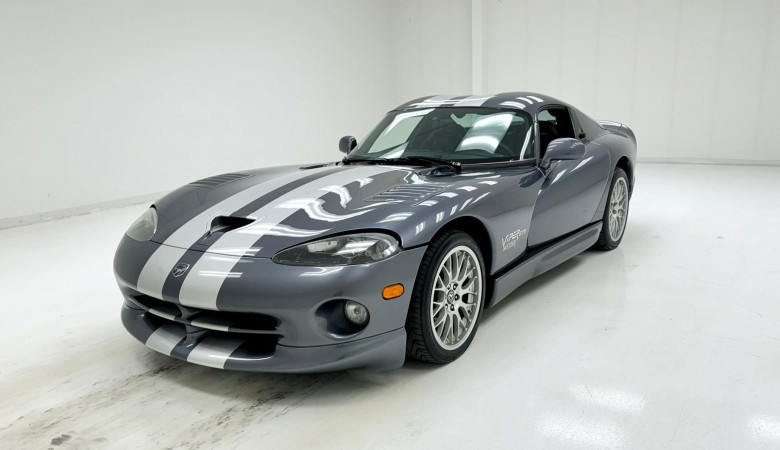
Pictured here is the 2000 Dodge Viper GTS, a true icon of American performance and one of the most surprising stars of the current classic car market. When the Viper GTS first wowed enthusiasts at the turn of the millennium, its reputation was built on sheer muscle—a monstrous 8.0L V10 engine, striking looks, and almost no driving aids. It was raw, sometimes intimidating, and not exactly built for luxury. At launch, its MSRP typically hovered around $70,000, bringing racecar power to the street for a price that was high but attainable for performance buffs.
Fast forward to 2025, and the Dodge Viper GTS has shattered expectations as a collector’s investment. Today, pristine low-mileage models regularly fetch $110,000–$150,000, with rare special editions and perfect-condition examples reaching even higher. That’s well over double its original price, with estimated appreciation rates of 110–130%. The reasons? Limited production numbers, bold design, genuine motorsport legacy, and its position as a last-of-its-kind unfiltered American supercar.
Despite its simplicity and occasionally unforgiving driving experience, the Viper GTS has matured into one of the USA’s top investment-grade classics. Like the Ford Sierra Cosworth did for the UK market, the Viper GTS balances nostalgia with a proven record of rising valuations—proof that raw excitement, pedigree, and rarity can transform an unrefined powerhouse into a prized collector’s gem. For enthusiasts and investors alike, it's a reminder that sometimes, the cars built for thrills rather than polish are the ones destined to become the most desirable classics.
Classic car investing in America is as much about passion as it is about predicting what will resonate for decades to come. From Detroit muscle legends to niche sport coupes and quirky icons, the US classic car market rewards those who can read the tides of nostalgia, limited production, and cultural significance. But if you think classic car investing is just about finding the oldest, fanciest, or fastest vehicles, think again—the market is driven by everything from pop culture status and motorsport victories to the simple thrill of owning something unique.
Certain US models have already carved out their legends: the Chevrolet Corvette C5 Z06, celebrated for blending raw power with surprising affordability, or the Dodge Viper GTS, which was wild and unrefined on release, but has now matured into a collector’s darling. While Corvettes and Vipers grab the headlines, other rising stars in the American collector scene are worth serious attention: the Buick Grand National, Mustang SVT Cobra R, Acura Integra Type R, and the Pontiac Firebird Trans Am WS6.
Emerging future classics in the USA tend to share some essential qualities. They’re often tied to limited production runs, like the ultra-rare SVT Cobra R or the final years of the Viper. Cultural significance counts for a lot—a car that appeared in hit TV shows, won races, or fueled a generation’s dreams will likely appreciate. Uncompromised performance, such as the turbocharged punch of the Grand National or the focused track pedigree of the Corvette Z06, adds further appeal. Even models that were underappreciated or controversial at launch, like the Plymouth Prowler, are suddenly cool again as tastes shift and nostalgia takes hold.
Auctions have become the main stage for classic car investing in the States, mixing spectacle with access. Classic car auctions in America offer more than just cars—they’re experiences, networking opportunities, and market barometers rolled into one. Securing a future classic means doing your homework: inspecting the car’s condition, hunting for full documentation, and being patient enough to wait for your perfect example. It’s not uncommon to see bidding wars erupt over the right color, the rare option, or a celebrity provenance.
Savvy investors know that success depends on a few key factors. Originality is king: the market rewards cars that retain factory features, paint, and interior, especially if the mileage is low. Provenance—the story of where the car’s been, who’s owned it, and how it was cared for—may add thousands to a sale price. Buyers are increasingly wary of over-restored or heavily modified vehicles, favoring cars that capture the essence of their era, even if they’re not flawless. Staying apprised of market trends is essential; the rise of EV performance models, shifting demographic tastes, and changes in regulation can all send shockwaves through values.
Restoration remains a vibrant part of American classic car culture. Many investors fall in love with the process: researching the right project, sourcing period-correct parts, and preserving original details to maximize future returns. A well-executed restoration doesn’t just bring a car back to life—it can transform an ordinary example into a top-tier collectible, but missteps can be costly if originality and history aren’t respected.
Community is one of the USA market’s greatest strengths. From national clubs and local meets to online forums and enthusiast publications, resources abound for networking, research, and keeping up with market momentum. Seasoned collectors gladly share advice, swap parts, and offer insights into which models to watch—a few kind words or tips in the right forum can be the difference between buying a legend and making an expensive mistake.
Case studies abound: the Acura Integra Type R, once dismissed as just another import, is now highly prized thanks to its rarity and motorsport success. The Dodge Viper GTS, long considered impractical, has nearly doubled in value and become a cult favorite. Even legendary trucks like the Ford F-150 Lightning and Chevy Silverado SS are seeing new interest as Americans rediscover their love for classic pickups.
Expert commentary underscores the market’s dynamism. Veteran auctioneers, seasoned collectors, and restoration pros highlight that passion and patience—not just deep pockets—often win the day. Successful American classic car investments blend a love of the automobile with an eye for detail, originality, and the shifting moods of the market.
Altogether, the landscape for future classic cars in the USA is rich with opportunity and character. Whether you’re drawn to the thunder of a V8, the balance of a sport coupe, or the authenticity of a survivor car, investing in America’s future classics means embracing history, personality, and the spirit that makes each car more than just a set of wheels—it’s a part of our collective story, waiting to be rediscovered and loved anew.