

Your next Ford might watch your lips move, but before you start worrying about automotive surveillance, consider this: the technology exists because your spouse keeps overhearing your navigation searches for jewelry stores and divorce lawyers.
Ford has been quietly developing lip-reading technology for vehicles, and while the concept sounds like something from a dystopian thriller, the actual reasoning reveals a surprisingly practical approach to automotive privacy. The system uses computer vision and machine learning to interpret silent speech commands, allowing drivers to communicate with their cars without making a sound.
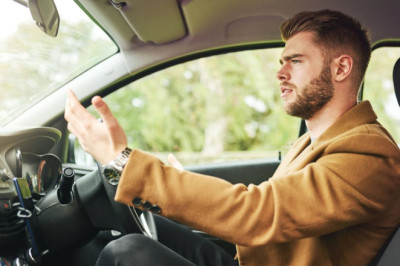
The technology emerged from a simple observation that traditional voice commands create awkward situations. When you're driving with passengers and need to call your doctor about embarrassing symptoms or navigate to your therapist's office, speaking those commands aloud defeats the purpose of having a private conversation later. Ford's lip-reading interface lets you mouth commands silently while others in the car remain oblivious to your destination or contact choices.
Patent applications filed by Ford between 2019 and 2020 reveal the system's broader ambitions beyond privacy protection. The technology functions as a backup when traditional voice recognition fails in noisy environments, from construction zones to highway driving with windows down. High-resolution cameras positioned to capture the driver's facial movements process commands locally on the vehicle's computing systems, ensuring sensitive data never leaves the car.
Research collaborations with universities have pushed the accuracy rates to 85-90% for basic commands in controlled environments, according to development sources. The system integrates with Ford's SYNC infotainment platform and can recognize everything from navigation requests to climate control adjustments through lip movement analysis alone.
Like this? Get the app: iOS | Android
The accessibility angle proves equally compelling. Drivers with hearing impairments or speech difficulties benefit from visual command recognition that doesn't rely on audio input or output. The technology can also detect distress through irregular lip movements, potentially alerting emergency services if a driver appears to be under duress or experiencing a medical emergency.
Ford isn't alone in this space. BMW and Mercedes-Benz have invested in similar visual command technologies, responding to market research indicating 73% of drivers feel uncomfortable with voice commands being overheard by passengers. Allied Market Research projects the automotive lip-reading market will reach $2.1 billion by 2028, suggesting widespread adoption across manufacturers.
The privacy implications work both ways. While some critics worry about cars monitoring facial expressions, the technology actually enhances privacy by eliminating the need to vocalize sensitive commands. Processing happens entirely within the vehicle's local computing systems, meaning your silent requests for directions to rehab facilities or bankruptcy attorneys never transmit to external servers.
Implementation challenges remain significant. Lighting conditions, facial hair, and speaking different languages while moving lips silently all affect accuracy rates. Ford's engineers continue refining the algorithms to handle these variables, with particular focus on distinguishing between actual commands and casual conversation lip movements that might trigger false responses.
The technology represents a fundamental shift in automotive interfaces, moving beyond voice and touch toward more nuanced human-machine interaction. Instead of shouting over road noise or fumbling with touchscreens, drivers will communicate through subtle facial movements that keep both hands on the wheel and conversations private.
Your car reading your lips isn't about surveillance. It's about finally having a conversation with your vehicle that nobody else needs to hear.
Sources: Ford patent applications (USPTO), Allied Market Research automotive interface studies, automotive technology industry reports