

Drivers have been issued advice over their driving habits amid concerns over fuel shortages as the Middle East conflict continues. The International Energy Agency (IEA) has advised motorists across the world to reduce their speed on highways, share rides and work from home when possible to reduce how much petrol or diesel they use.
However Energy Minister Michael Shanks has responded to insist British drivers did not need to change their habits, despite the suggestions aimed at conserving fuel. The IEA advice comes amid the continued energy crisis sparked by the US-Israeli war with Iran.
Tehran is blockading the Strait of Hormuz, stopping the flow of oil through the important shipping route leaving the Middle East. This has raised concerns about whether there will be fuel shortages ahead.
Labour MP Mr Shanks was asked by Times Radio if British drivers should change their habits and told the broadcaster: “They should do everything as absolutely normal because there is no shortage of fuel anywhere in the country at the moment.
“We monitor this every single day, I look at the numbers personally. There’s no issue at all with that.”
The minister added: “People should go about their business as normal. That’s what the RAC and the AA have said. It’s really important people do that. There’s no shortage of fuel and everything is working as normal.”
During the pandemic in 2021, a domestic fuel crisis developed in some parts of the UK, amid reports of a shortage of fuel tanker drivers. This sparked panic buying of fuel, with long queues of drivers waiting outside petrol stations.
Asked directly if drivers should slow their speed, Mr Shanks told Times Radio: “Look genuinely, people shouldn’t change their behaviour or their habits in the slightest.” The advice came as oil prices plummeted on Monday after US president Donald Trump suggested potential talks with Tehran to end the war could begin.
But the price of Brent Crude rose above 100 US dollars a barrel as markets in Asia opened on Tuesday. The White House has said talks with Iran remain “fluid” following Mr Trump’s initial claims.
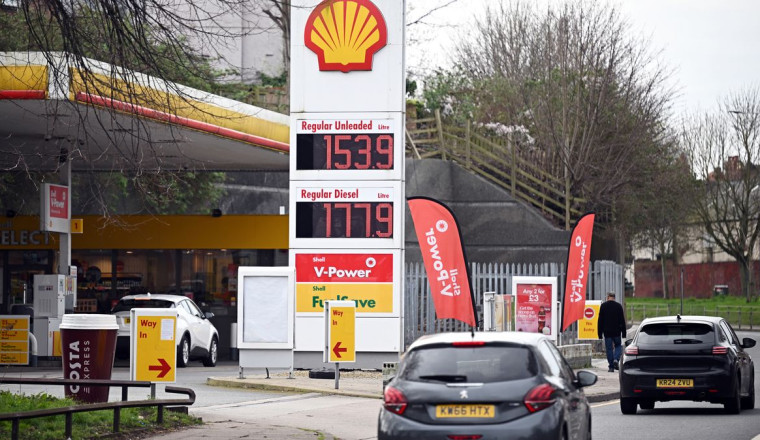
However the price on the pumps has soared over recent weeks. Many motorists have found the cost has risen daily with the average price around 147p per litre for unleaded and 171-173p per litre for diesel.
Context:
UK Energy Minister contradicts global fuel conservation advice, insists no shortages exist despite Middle East crisis.
Context:
Conflicting messages could undermine coordinated global response to potential energy supply disruptions.
Context:
Oil prices hit $100+ per barrel while UK pump prices reach 147p unleaded, 171-173p diesel amid Iran blockade.