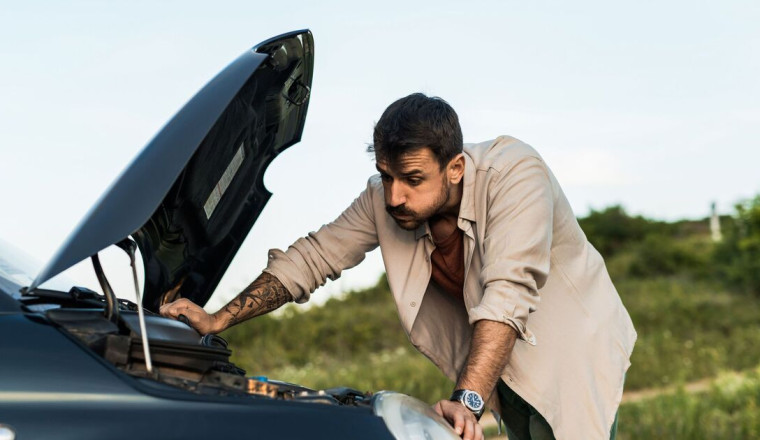

Motorists are being urged to check under their bonnets every week as rodent damage is on the rise in the UK. According to the RAC, drivers are filing more car insurance claims for vehicle damage caused by mice and rats than before.
Analysis found there was a 28% rise in car insurance claims in 2024, with the average claim as high as £2,494. However, data from Aviva shows that in one case, repairs exceeded an eye-watering £24,000, with the vehicle written off due to extensive interior and exterior damage. RAC Breakdown spokesperson Alice Simpson stressed that incidents are “more common” than road users may expect, with motorists urged to check for any signs of animals this autumn and winter.

Alice explained: “Many of us are used to seeing the occasional rat or mouse on the street, but finding one in your car is not only a nasty shock but often the cause of very unwelcome and expensive damage. Unfortunately, incidents like this are more common than drivers might expect, particularly over the winter months when animals look to take shelter from the cold conditions.
“To reduce the risk of animal damage, check your car if it hasn’t been driven for a week or more. The best advice is to make sure no food – for pets or humans – is left inside. Also, check for unusual smells in the vehicle and be mindful of any dashboard warning lights that don’t disappear after a minute or two. Any foodstuff in garages should be kept in airtight containers or locked in metal bins.”
According to the RAC, rats and mice can chew through car wiring and eat car seatbelts in a major safety risk.
RAC patrols have also reported seeing animals hiding in car air filters, meaning road users have to check their motors thoroughly. Motorists should be able to claim for any damage against their car insurance policy, with animal destruction mostly covered as part of the agreement.
Alice added: “If you suspect your vehicle has sustained animal damage, whether that’s chewed cables, clogged air filters or a nibbled diesel priming bulb, you should contact a reputable mobile mechanic or use the RAC’s Approved Garage Network to find a local garage that provides quality repairs.
“Car insurance does cover animal damage, but it’s worth checking before you claim to see if the damage justifies the expense.”