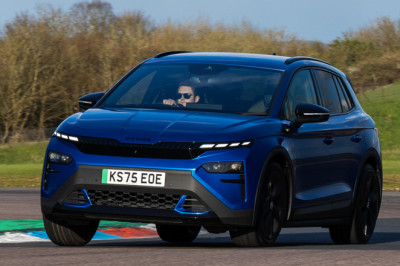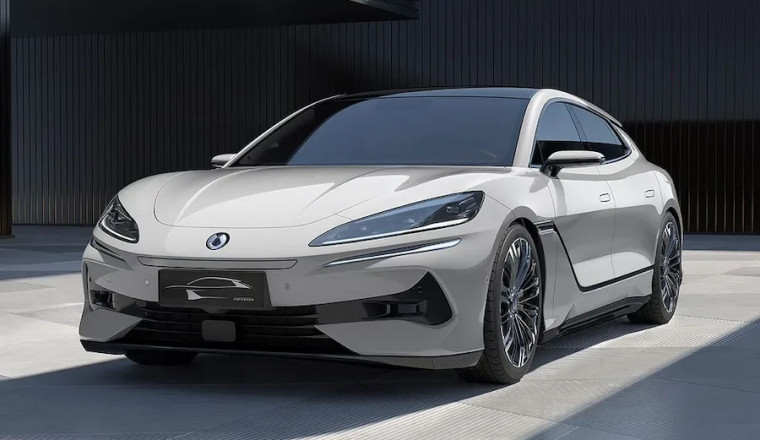

While Tesla owners debate whether their cars still feel special and Porsche buyers wince at six figure price tags, a Chinese brand most people can't even pronounce just dropped a 1,140 horsepower electric sedan that costs £100,000. The Denza Z9 GT doesn't just match the performance numbers of established luxury EVs. It demolishes them.
Denza isn't some startup burning venture capital in a Shenzhen garage. The brand represents a joint venture between BYD, Warren Buffett's automotive investment, and Mercedes-Benz. That partnership gives the Z9 GT something most Chinese luxury attempts lack: genuine engineering pedigree from a company that actually knows how to build cars people want to drive.
The numbers tell the real story. The Z9 GT's 1,140 horsepower output leaves the Tesla Model S Plaid's 1,020 horsepower looking modest. More importantly, it significantly undercuts the Porsche Taycan Turbo S, which produces just 750 horsepower yet commands £138,826. Denza's pricing strategy suggests they understand exactly what game they're playing.
Performance figures back up the power claims. The Z9 GT reaches 62 mph in 3.4 seconds, matching the acceleration of cars costing twice as much. The 324 mile range on China's CLTC cycle translates to roughly 270 miles under more stringent European testing, putting it in the same league as established premium EVs. The 800V architecture enables charging speeds that would make early Tesla owners weep with envy.
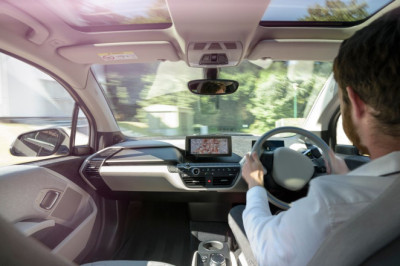
Mercedes-Benz's influence shows throughout the interior design and build quality. This isn't another Chinese manufacturer copying European styling cues and hoping nobody notices. The partnership means Denza has access to genuine luxury car development expertise, not just the superficial trappings of premium vehicles.
Like this? Get the app: iOS | Android
The timing couldn't be better for Denza's European ambitions. Tesla's brand cache has taken repeated hits as Elon Musk's public behavior alienates potential customers. Porsche's pricing has reached levels that make even wealthy buyers question the value proposition. The Z9 GT enters a market where established players have left room for someone offering better performance at a lower price.
Consumer perception remains Denza's biggest challenge. Chinese luxury brands face skepticism in Western markets regardless of their technical capabilities or backing. The average British car buyer has never heard of BYD despite its position as the world's second largest EV manufacturer. Brand recognition takes decades to build, and Denza doesn't have decades.
The service network presents another hurdle. Buying a £100,000 car from a brand with limited UK presence requires faith that parts and expertise will remain available years later. Porsche and Tesla owners know their cars will receive support. Denza buyers are making a bet on the company's long term commitment to European markets.
Yet the automotive landscape changes fast when compelling products arrive. Nobody expected BYD to become Europe's second best selling EV brand within three years. Chinese manufacturers have repeatedly proven that superior value propositions can overcome initial consumer resistance. The Z9 GT's combination of extreme performance and competitive pricing follows that playbook exactly.
Denza faces the classic luxury market paradox. They need sales volume to justify the service network investment, but they need the service network to convince buyers to take the initial risk. The Z9 GT's specifications suggest they're serious about solving this problem with a product so compelling that early adopters will accept the uncertainty.
Whether British buyers will spend £100,000 on a Chinese luxury sedan remains to be seen. But anyone dismissing the Z9 GT because of its origins might want to check what badge is on their iPhone.
Sources: Autocar Denza Z9 GT coverage | InsideEVs specifications report