
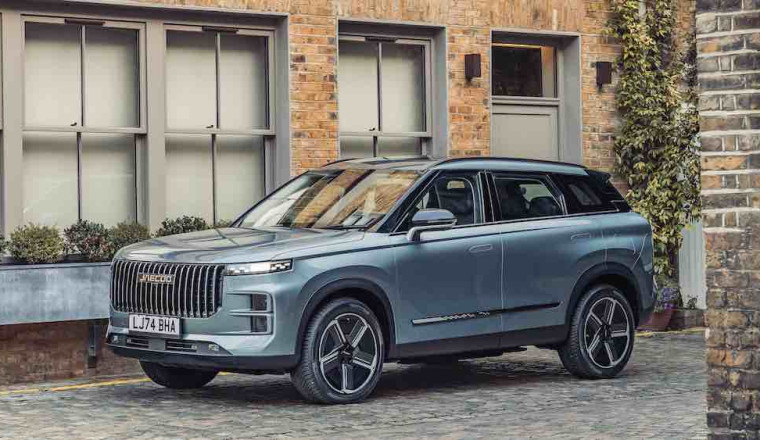

A Chinese SUV bearing unmistakable visual similarities to the Range Rover outsold the genuine article in Britain last month, a development that should have generated alarm bells across the luxury automotive establishment but instead passed with remarkably little commentary from an industry comfortable assuming that heritage, engineering excellence, and brand prestige would always outweigh affordability. Jaecoo's 7 SUV became the sixth best-selling vehicle in Britain during December 2025, a staggering achievement for a brand that barely existed in British consciousness twelve months earlier and which openly draws design inspiration from vehicles costing three times its price.
The Jaecoo 7, produced by Chinese manufacturer Chery and priced from approximately £32,000, presents itself as a premium SUV offering leather interiors, generous technology, respectable performance, and styling that casual observers might mistake for a Range Rover at a distance. It isn't a Range Rover. It lacks Range Rover's legendary off-road capability, its hand-built refinement, its decades of engineering heritage, and the intangible quality that genuine Range Rover ownership provides in terms of social standing and brand credibility.
But for a growing number of British buyers, none of those things matter enough to justify paying £75,000 for a Range Rover Evoque or £105,000 for a full-size Range Rover when the Jaecoo 7 delivers something sufficiently similar to daily driving satisfaction at less than half the cost.
The Numbers That Should Alarm Everyone
December 2025 registrations in Britain totalled approximately 185,000 vehicles across all manufacturers. Jaecoo's 7 SUV captured enough sales to rank sixth overall, a position typically occupied by established mainstream models from Ford, Volkswagen, Toyota, or Vauxhall with decades of market presence, dealer networks, and brand recognition.
Land Rover, the manufacturer whose design language Jaecoo so obviously channels, registered fewer vehicles than Jaecoo during the same period. The irony operates on multiple levels simultaneously. A Chinese manufacturer selling a vehicle that exists primarily because Range Rover exists is outselling the original that inspired it, in Range Rover's home market, during the month when British buyers traditionally spend most generously on vehicles.
The achievement required neither cutting edge technology nor revolutionary engineering. Jaecoo succeeded by offering what a substantial portion of the British car buying public apparently wants: a large, attractive SUV with premium interior appointments at a price that doesn't require months of saving or compromising on other household priorities. The formula proves devastatingly simple and devastatingly effective.
What The Jaecoo 7 Actually Offers
Understanding why British buyers chose the Jaecoo 7 in such numbers requires examining what the vehicle actually delivers rather than dismissing it as a cheap imitation unworthy of serious consideration.
The interior proves genuinely impressive for its price point. Leather upholstery, generous screen sizes, heated and ventilated seats, and technology features including wireless charging, advanced driver assistance systems, and connectivity that rivals vehicles costing considerably more all arrive as standard or at modest option prices. The premium interior experience that once required £60,000 to £80,000 minimum from European manufacturers is now available for £32,000 from China.
Performance proves adequate if unremarkable, with a 1.6-litre turbocharged four-cylinder producing around 197 horsepower. This won't challenge enthusiast expectations but delivers sufficient acceleration for motorway merging and cruising comfort that daily commuting demands. Nobody buying a family SUV for school runs and supermarket trips requires more than this.
The technology suite includes features that genuine Range Rovers sometimes lack or charge separately for, including comprehensive safety systems, panoramic sunroof, and infotainment capabilities that reflect Chinese manufacturers' willingness to include everything rather than charging separately for features buyers consider essential.
Build quality, the traditional weakness attributed to Chinese vehicles, has improved dramatically. Early Chinese SUVs sold in Western markets suffered from rough trim, questionable materials, and assembly inconsistencies that buyers immediately noticed. The Jaecoo 7 represents a generation beyond these early attempts, with panel gaps, interior material quality, and assembly precision that would satisfy most buyers who haven't recently sat in a hand-finished Range Rover.
The Design Question
The elephant occupying every conversation about the Jaecoo 7 involves its visual similarity to Range Rover models. The front end, side profile, and general proportions echo Range Rover design language sufficiently that casual observers genuinely struggle to distinguish the two at speed or distance.
Whether this constitutes illegal copying, inspired homage, or simply convergent design evolution toward similar aesthetic solutions for similar vehicle categories depends on perspective and legal jurisdiction. Range Rover's design language, characterized by clean lines, flush door handles, and understated proportions, has influenced SUV design globally. Countless manufacturers produce vehicles sharing these characteristics without necessarily copying Range Rover specifically.
However, the Jaecoo 7's similarity goes beyond general design trends into specific details that suggest deliberate inspiration rather than independent development. The front grille treatment, the way bodywork transitions from bonnet to windscreen, and the overall silhouette create visual associations that Range Rover's marketing department would prefer didn't exist in a vehicle costing a fraction of their cheapest model.
Land Rover has not publicly pursued legal action against Jaecoo regarding design similarities, likely because proving intellectual property infringement in automotive design proves extraordinarily difficult. Design patents protect specific creative expressions rather than general styling directions, and the differences between Jaecoo 7 and Range Rover, while perhaps less than the similarities, likely provide sufficient legal distinction to prevent successful prosecution.
The commercial reality is that even if Land Rover successfully sued Jaecoo into modifying its design, buyers who chose the Jaecoo 7 for its value proposition rather than its Range Rover resemblance would simply shift to other affordable Chinese SUVs offering similar features at similar prices. The design similarity attracted initial attention but the value proposition sustains purchasing decisions.
Why Buyers Choose Jaecoo Over Range Rover
The purchasing decision involves straightforward mathematics that premium manufacturers have long preferred buyers didn't perform openly. A Jaecoo 7 at £32,000 versus a Range Rover Evoque at £75,000 represents a £43,000 difference. That gap funds a family holiday for several years, contributes substantially toward a house deposit, or simply remains available for other household priorities that a Range Rover purchase eliminates from consideration.
For buyers who genuinely need a large SUV with premium interior appointments and don't regularly traverse challenging off-road terrain, the Jaecoo 7 delivers roughly 70 to 80 percent of the Range Rover experience at 40 percent of the cost. Whether that ratio justifies choosing the cheaper option depends entirely on how much the remaining 20 to 30 percent of Range Rover's advantage matters to specific buyers.
For families using SUVs primarily for urban and motorway driving, school runs, and occasional holiday trips on surfaced roads, the Jaecoo 7's advantages prove compelling. The seats are comfortable, the boot accommodates luggage, the technology works, the interior feels premium, and the vehicle moves through traffic with sufficient composure that daily driving satisfaction remains high regardless of whether the badge reads Jaecoo or Range Rover.
Buyers who value genuine off-road capability, hand-built British craftsmanship, the social signaling that Range Rover ownership provides, and the engineering excellence that genuine Terrain Response systems deliver will continue choosing Land Rover. These qualities exist and matter genuinely to specific buyers. But they matter less to a growing proportion of the market than affordability and feature content, and that shift represents the fundamental challenge facing premium manufacturers as Chinese alternatives become credible.
The Warranty and Residual Value Questions
Two concerns legitimately accompany Jaecoo 7 purchases that Range Rover buyers avoid. Warranty coverage from a brand with limited British presence raises questions about long term support if serious problems develop. Parts availability, servicing expertise, and dealer network density all lag behind established manufacturers by substantial margins.
Residual values represent perhaps the more significant concern for buyers who change vehicles regularly. Range Rovers famously hold value better than almost any other vehicle class, with three year old examples retaining 60 to 70 percent of original prices. Jaecoo's residual values remain unknown given the brand's brief British presence, but Chinese vehicles historically depreciate faster than established competitors, potentially creating significant value destruction over typical ownership periods.
A buyer purchasing a £32,000 Jaecoo 7 and selling after three years might receive £14,000 to £18,000, a depreciation of £14,000 to £18,000. A Range Rover Evoque purchased for £75,000 might retain £45,000 to £52,000, losing £23,000 to £30,000 in absolute terms but significantly less in percentage terms relative to value retained.
These calculations complicate the pure purchase price comparison. Total cost of ownership over typical 3 to 5 year periods might narrow the gap between Jaecoo and Range Rover considerably when residual values, insurance costs, and servicing expenses are factored alongside initial purchase prices. However, many buyers focus primarily on monthly payments and initial outlay rather than conducting comprehensive ownership cost analysis.
What This Means For The Industry
The Jaecoo 7's sales performance represents more than one Chinese brand succeeding in one market during one month. It signals fundamental shift in how British and European consumers evaluate automotive purchases, particularly in the SUV segment that dominates new car sales.
Premium manufacturers built business models around assumptions that brand heritage, engineering excellence, and quality justified substantial price premiums that buyers would accept without serious questioning. Chinese manufacturers are systematically dismantling these assumptions by delivering products that meet most buyers' practical requirements at prices that make premium alternatives seem unjustifiable for many use cases.
The response from established manufacturers cannot involve simply matching Chinese prices, as doing so destroys the margins that fund continued development and maintain brand positioning. Neither can they ignore the threat, hoping Chinese brands prove temporary aberrations that buyers abandon when initial enthusiasm fades.
The sustainable response likely involves genuine differentiation that Chinese manufacturers cannot easily replicate. Genuine off-road capability that Jaecoo cannot match, hand-built craftsmanship that requires decades of manufacturing heritage to develop, and brand experiences that extend beyond vehicle ownership into lifestyle and community. These advantages exist but must be communicated more effectively and justified more clearly than simply assuming buyers will pay premiums without understanding why those premiums exist.
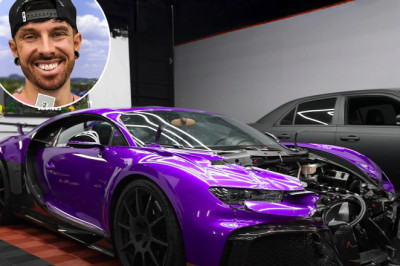
Land Rover's success selling the new Defender through Twisted Automotive's bespoke rebuild programme demonstrates that buyers willing to pay substantial premiums exist when the value proposition is clearly articulated and genuinely compelling. The challenge involves ensuring that mainstream Range Rover products offer sufficient differentiation from affordable Chinese alternatives to justify price gaps that widen rather than narrow as Chinese quality improves.
The Bigger Picture
A Chinese SUV outselling Range Rover in Britain represents either a temporary anomaly driven by aggressive pricing, heavy marketing spend, and novelty factor that will fade as initial buyers experience the realities of owning a vehicle from a brand with minimal British support infrastructure, or it represents the beginning of a fundamental shift in how British consumers approach premium vehicle purchases.
The truth probably lies between these positions. Jaecoo and similar Chinese brands will capture permanent market share from established manufacturers as quality and credibility improve, dealer networks expand, and residual value concerns diminish through demonstrated ownership experience. They won't replace Range Rover entirely because genuine luxury, genuine capability, and genuine heritage maintain appeal among buyers who can afford them and value what they represent.
But the era when European and Japanese manufacturers could charge whatever premiums they wished knowing buyers had no credible alternatives is ending. China has arrived in British showrooms, and December 2025 proved that arriving is no longer sufficient for established brands. They must now justify their existence against competitors who offer extraordinary value at prices that make luxury feel less like aspiration and more like an expensive habit that sensible people eventually question.
The Jaecoo 7 isn't a Range Rover. It isn't even close in terms of heritage, capability, or craftsmanship. But for a sixth-place finish in December sales rankings, it doesn't need to be. It just needs to be good enough, affordable enough, and available enough that tens of thousands of British buyers chose it over everything else on sale. And that, regardless of how you feel about Chinese automotive ambitions, represents a fact that the industry can no longer comfortably ignore.