
Britain's car manufacturers have launched a scathing attack on the Government's electric vehicle policy, branding the Zero Emission Vehicle mandate a "straitjacket" that is strangling the industry as consumer demand for EVs continues to collapse.
The Society of Motor Manufacturers and Traders (SMMT), representing the UK's automotive sector, has called for an urgent review of the mandated EV sales targets that force manufacturers to sell an increasing proportion of electric vehicles each year. The trade body warns that the current system is putting "huge pressure" on companies already grappling with weak consumer appetite for battery powered cars.
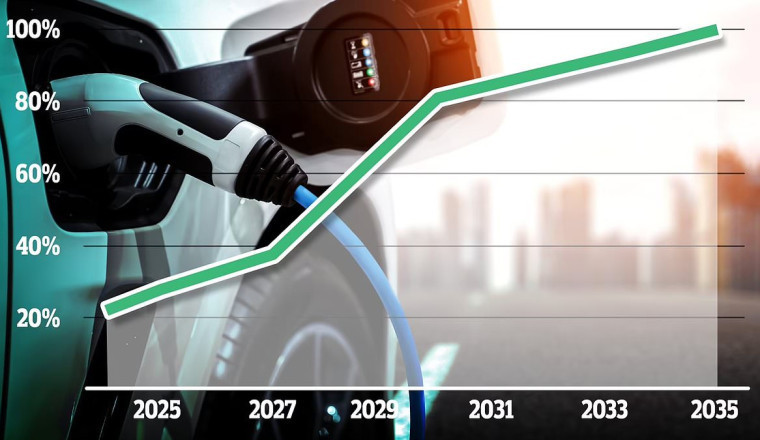
The ZEV mandate requires manufacturers to ensure that 22% of their car sales in 2024 are zero emission vehicles, rising to 28% in 2025 and eventually reaching 100% by 2035. Companies that fail to hit these targets face hefty fines of £15,000 per vehicle shortfall, creating what the industry describes as an impossible financial burden.
This rebellion against Government policy comes as EV sales growth has dramatically slowed across Europe. While politicians continue to push aggressive electrification timelines, real world consumer behavior tells a different story. Range anxiety, charging infrastructure concerns, and higher purchase prices continue to deter buyers from making the switch to electric.
The automotive industry finds itself caught between regulatory demands and market reality. Manufacturers are being forced to discount EVs heavily or subsidize sales to meet government quotas, eating into already thin profit margins. Some companies are reportedly considering reducing their overall UK sales volumes rather than face the punitive fines for missing EV targets.
Like this? Get the app: iOS | Android
The SMMT's intervention represents a significant escalation in the ongoing tension between the automotive sector and Westminster's green agenda. Industry leaders argue that forcing EV adoption through regulatory pressure rather than allowing natural market development is creating dangerous distortions in the car market.
European manufacturers are facing similar challenges across the continent, with Volkswagen recently announcing potential factory closures and job cuts partly attributed to the costs of the electric transition. The German giant's struggles highlight how even the largest players are finding the mandated shift to EVs financially punishing when consumer demand fails to materialize.
The timing of the SMMT's complaint is particularly pointed, coming just weeks after the new Labour government reaffirmed its commitment to the 2030 ban on new petrol and diesel car sales. Chancellor Rachel Reeves has repeatedly emphasized that the UK will not water down its net zero commitments, setting up a potential collision course with the automotive industry.
Car dealers are reporting increasing difficulty in shifting EVs off forecourts, with some models sitting unsold for months. The used EV market has also seen dramatic price collapses, further undermining consumer confidence in electric vehicles as a sound financial investment.
The industry's frustration extends beyond just sales targets to the broader infrastructure challenges that continue to plague EV adoption. Public charging networks remain patchy and unreliable in many areas, while the promised rapid expansion of charging points has consistently fallen behind schedule.
What makes this automotive rebellion particularly significant is the SMMT's typically diplomatic approach to government relations. For the trade body to use such strong language as "straitjacket" suggests the industry's patience with unworkable policies has finally snapped. The question now is whether politicians will listen before more jobs and investment flee to countries with more realistic EV timelines.
Sources: Society of Motor Manufacturers and Traders (SMMT) public statements and industry reporting on Zero Emission Vehicle mandate pressures.