
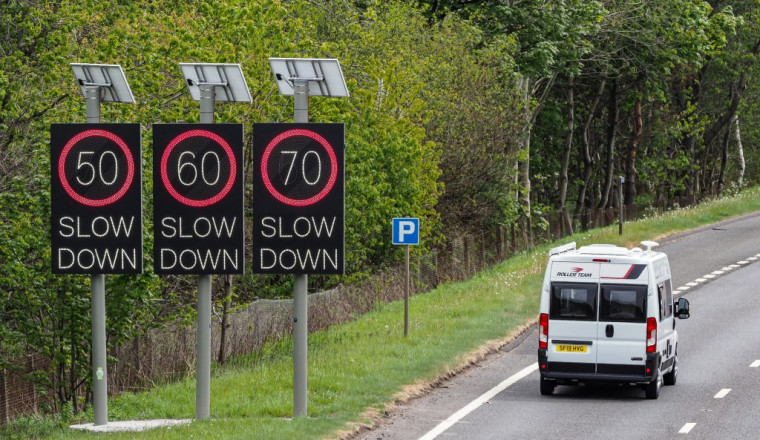

Volvo is actively considering implementing a mandatory 73 mph top speed limiter across its entire vehicle range, according to company sources and automotive industry publications reporting on internal discussions at the Swedish manufacturer in January 2026. The proposal, which would electronically restrict all Volvo models to a maximum of 180 kilometres per hour regardless of engine capability or trim level, represents the brand's most aggressive safety intervention yet and could fundamentally reshape expectations about manufacturer responsibility for driver behavior.
The 73 mph figure, equivalent to 117 kilometres per hour, stems from converting 180 km/h to imperial measurements, though some internal documents suggest Volvo might implement the limit at exactly 120 mph in markets using miles per hour, creating slight regional variations. Either threshold would render motorway speeds in Germany's unrestricted autobahn sections unattainable and position Volvo vehicles as fundamentally different from competitors who allow their cars to reach 130, 150, or even 200-plus mph depending on model and specification.
The Safety Rationale
Volvo's safety heritage provides context for the proposal. The Swedish manufacturer introduced the three-point seatbelt in 1959 and made the patent publicly available to save lives industry-wide, establishing a corporate culture that prioritizes safety over competitive advantage. The company has maintained this philosophy through decades, introducing innovations including side-impact protection, whiplash protection systems, and pedestrian detection with automatic emergency braking.
In 2020, Volvo implemented a 112 mph electronic speed limiter across its range, down from the 155 mph that many premium manufacturers adopt as a voluntary standard. The company justified the reduction by citing crash data showing that collision severity and fatality risk increase exponentially above certain speeds, making high-velocity crashes essentially unsurvivable regardless of vehicle safety features.
The proposed 73 mph limit extends this logic further. According to research cited by Volvo safety engineers, crash survival rates drop dramatically once impact speeds exceed 70 mph. Modern safety systems including airbags, crumple zones, and reinforced passenger cells can protect occupants in crashes at urban and motorway speeds, but physics ultimately overwhelms engineering at extreme velocities.
Håkan Samuelsson, former Volvo CEO who championed the initial speed limiting policies, explained the philosophy in 2019 statements that continue influencing current leadership: "We want to start a conversation about whether car makers have the right or maybe even an obligation to install technology in cars that changes their driver's behavior, to tackle things like speeding, intoxication, or distraction."
The current proposal reflects this thinking taken to its logical conclusion. If manufacturers possess technology to prevent speeds where crashes become unsurvivable, do they bear responsibility for implementing that technology even when customers might prefer unrestricted performance?
The Technical Implementation
Electronic speed limiters prove trivially simple to implement in modern vehicles. Engine management systems already monitor vehicle speed constantly, adjusting fuel delivery, ignition timing, and transmission behavior based on velocity. Adding a maximum speed threshold requires minimal software modification, typically just programming the engine control unit to prevent fuel delivery or reduce power output once the speed limiter activates.
Most premium vehicles already include speed limiters that can be configured by owners or dealers, though these typically default to higher speeds or off positions. Volvo's proposal would make the 73 mph limit permanent and non-adjustable, preventing owners from raising or removing the restriction through settings menus or dealer intervention.
The system would likely incorporate GPS integration to account for regional speed limit variations, though this introduces complications. Should the limiter adjust based on local laws, allowing higher speeds on German autobahns where no limits apply but restricting to lower thresholds in countries with strict maximum speed laws? Or should it impose a universal global limit regardless of local regulations?
Volvo's internal discussions reportedly favor a universal limit, arguing that inconsistent application undermines the safety rationale and creates confusion about the system's purpose. If the goal involves preventing unsurvivable crashes rather than ensuring legal compliance, then the physics of collision severity apply equally regardless of whether local laws permit higher speeds.
Market Reaction Concerns
The proposal faces predictable resistance from performance-oriented buyers and automotive enthusiasts who view speed limiting as nanny-state overreach that infantilizes drivers and eliminates individual responsibility. Online forums and social media reactions to rumors about Volvo's considerations have generated overwhelmingly negative responses from commenters arguing that manufacturers should build safe cars but leave behavioral choices to drivers.
"I'm paying £60,000 for a car, and Volvo wants to tell me I can't exceed 73 mph even on empty motorways in perfect conditions?" wrote one commenter on a popular automotive forum. "This is absurd. I'll buy a BMW or Mercedes that respects my intelligence and freedom."
This sentiment appears common among premium car buyers who expect performance capabilities that justify higher price points. Volvo's Polestar performance brand, which shares engineering with parent company Volvo, would face particular challenges. Polestar markets vehicles emphasizing dynamic capability and driving excitement, attributes that seem incompatible with hard speed limits preventing drivers from exploring performance potential.
However, Volvo's customer base may prove more receptive than typical premium buyers. The brand attracts safety-conscious families and environmentally aware consumers who already accept trade-offs between performance and other values. Volvo buyers choose the brand despite knowing that Volvos prioritize safety and practicality over sporting dynamics that BMW, Mercedes-Benz, and Audi emphasize.
Market research cited in industry publications suggests that approximately 65 percent of current Volvo owners support speed limiting policies when presented with crash severity data and safety rationales. This support increases among parents of young drivers and older buyers who prioritize safety over performance, demographics that Volvo targets heavily.
Competitive Implications
If Volvo implements the 73 mph limit, competitors face strategic decisions about whether to follow, differentiate, or ignore the move entirely. A scenario where only Volvo limits speeds while BMW, Mercedes-Benz, and Audi allow unlimited performance could position Volvo as the safety-focused alternative or relegate it to a niche for overly cautious buyers depending on market preferences.
Some manufacturers might welcome Volvo's move as providing cover for implementing similar policies without bearing sole responsibility for the decision. If multiple premium brands adopt speed limiting, it becomes an industry norm rather than one company's controversial choice. This collective action could shield individual brands from competitive disadvantage while advancing safety objectives.
However, performance-oriented manufacturers including Porsche, Ferrari, and Lamborghini would likely resist any speed limiting that compromises their brands' fundamental identities. These companies sell cars specifically for their extreme performance capabilities, and limiting top speeds to 73 mph would contradict everything they represent. The result might involve bifurcation between mainstream premium brands that implement limits and exotic manufacturers that reject them, creating a clear distinction between practical luxury cars and uncompromised performance machines.
Legal and Regulatory Dimensions
Volvo's proposal exists separately from regulatory requirements, representing voluntary manufacturer action rather than legal mandate. No jurisdiction currently requires automakers to limit vehicle top speeds beyond ensuring speedometers accurately display velocity and that vehicles meet emissions and safety standards at achievable speeds.
However, regulatory interest in speed limiting has increased as crash data and autonomous vehicle technology create new possibilities for mandatory intervention. The European Union has discussed proposals requiring intelligent speed assistance systems that warn drivers when exceeding posted limits, though these systems currently lack enforcement mechanisms that actually prevent speeding.
Some safety advocates argue that if technology exists to prevent dangerous behavior, governments should mandate its implementation rather than leaving adoption voluntary. Drunk driving interlocks represent precedent, with many jurisdictions requiring convicted drunk drivers to install devices preventing vehicle operation when alcohol is detected. Extending this logic to speed limiting would require vehicles to refuse operating above safe speeds just as interlock systems refuse operating when drivers are intoxicated.
The counterargument emphasizes that speeding, unlike drunk driving, sometimes proves justified or necessary. Emergency situations might require exceeding speed limits to avoid hazards or reach hospitals. Performance driving on closed circuits or private property involves no public safety concerns justifying restrictions. Universal speed limiters eliminate these legitimate use cases along with dangerous highway speeding.
The Enforcement Question
Even if Volvo implements 73 mph limiting, enforcement and compliance questions remain. Aftermarket tuning companies already offer services removing or raising manufacturer speed limiters, particularly on German vehicles where electronic restrictions cap speeds at 155 mph. A robust market exists for these modifications, suggesting that determined buyers can circumvent speed limits regardless of manufacturer intentions.
Volvo could respond by implementing software security preventing unauthorized modifications, but this creates cat-and-mouse dynamics between manufacturers and tuners that likely prove impossible to resolve permanently. More concerning, drivers attempting to circumvent speed limiters might compromise other safety systems or void warranties, creating new risks that offset safety benefits from limiting.
The company might also face liability questions if speed limiters malfunction or prevent drivers from avoiding collisions where acceleration capability could have created escape options. While these scenarios prove rare compared to crashes caused by excessive speed, even isolated incidents could generate negative publicity and legal challenges that undermine the policy's safety rationale.
Environmental Benefits Beyond Safety
Speed limiting offers environmental benefits that Volvo has mentioned less prominently than safety considerations but which support the proposal from sustainability perspectives. Aerodynamic drag increases exponentially with speed, meaning fuel consumption and emissions rise dramatically at high velocities even in efficient vehicles.
Limiting maximum speeds to 73 mph would reduce average motorway speeds and decrease fuel consumption across Volvo's fleet, contributing to emissions reduction targets that regulations increasingly mandate. While electric vehicles produce no tailpipe emissions, lower speeds improve range by reducing energy consumption, addressing one of electric vehicle adoption's primary barriers.
This environmental angle might resonate with Volvo's customer base, which includes substantial numbers of environmentally conscious buyers attracted to the brand's electrification efforts and sustainability commitments. Framing speed limiting partly as environmental policy rather than purely safety intervention could broaden support among buyers who prioritize climate considerations alongside or above safety concerns.
The Decision Timeline
Volvo has not announced definitive plans or timelines for implementing the 73 mph limit, with internal discussions reportedly ongoing as of early 2026. The company faces pressure from safety advocates and sustainability proponents to proceed, while sales and marketing departments reportedly warn about competitive risks and customer alienation.
One possible approach involves implementing the limit gradually, perhaps starting with specific markets or model lines before expanding fleet-wide. Volvo could introduce the restriction on family-oriented SUVs and wagons while exempting Polestar performance variants, testing market reaction before committing to universal application.
Alternatively, the company might position speed limiting as optional equipment that buyers can specify if desired, allowing safety-conscious customers to select the feature while leaving others free to choose unrestricted performance. However, this opt-in approach undermines Volvo's rationale about manufacturer responsibility for safety, suggesting the company doesn't genuinely believe limiting is necessary if they permit buyers to decline it.
The most dramatic option involves implementing the limit universally and immediately, accepting short-term sales impacts as necessary costs of advancing safety and sustainability objectives that will ultimately strengthen Volvo's brand positioning among target demographics. This approach requires confidence that Volvo's customer base will support the decision and that competitors won't successfully poach buyers seeking unrestricted performance.
What This Means For The Industry
Volvo's consideration of 73 mph limiting, regardless of whether implemented, signals that automotive manufacturers increasingly view themselves as having responsibilities beyond building safe vehicles and allowing drivers to choose how to operate them. This philosophical shift from facilitating customer preferences toward actively preventing dangerous behavior represents fundamental change in the manufacturer-customer relationship.
If speed limiting becomes standard across premium brands, it reshapes performance expectations and potentially affects vehicle development priorities. Engineers would focus less on achieving ever-higher top speeds and more on acceleration, handling, and other dynamic qualities still relevant within speed-limited parameters. Marketing would emphasize safety, sustainability, and practical performance rather than autobahn capability and track-day potential.
The shift might also accelerate autonomous vehicle adoption by making human-driven vehicles less capable than autonomous systems that could theoretically operate safely at higher speeds through superior reaction times and coordinated vehicle communication. If human drivers face mandatory limiting while autonomous vehicles don't, the performance gap provides additional motivation for accepting self-driving technology.
For now, Volvo's 73 mph proposal remains under consideration rather than confirmed policy. The company weighs safety benefits, environmental advantages, and brand positioning against sales risks, customer resistance, and competitive disadvantages. The decision will reveal whether Volvo believes its customer base values safety leadership enough to accept performance restrictions that no competitor currently imposes.
Seventy-three miles per hour. Fast enough for any legal speed limit globally. Slow enough to dramatically improve crash survival rates. The question isn't whether the limit makes sense from safety and environmental perspectives. The question is whether car buyers in 2026 will accept manufacturers making that decision for them, or whether freedom to choose how fast to drive remains non-negotiable regardless of the consequences. Volvo is about to find out which matters more.