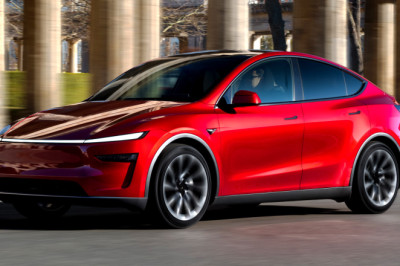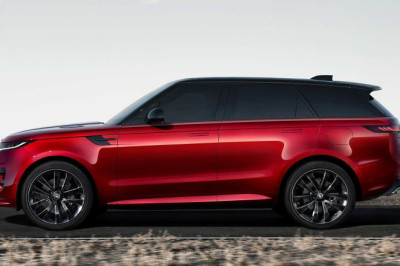



UK automotive manufacturers are no strangers to shifting global tides, and as 2025 unfolds, the industry finds itself at a crossroads. European demand is lacklustre, sales in China are sliding, and the US scene appears fragile. In this challenging climate, it’s India that’s suddenly shining brighter than ever on the radar of British car makers.
India: From Tough Market to Opportunity
India has always been a complex target for UK and other premium car makers, largely due to sky-high tariffs—historically up to 100% on imported high-end vehicles. That effectively sealed off what is now the world’s most populous market from all but the most determined luxury brands. However, the recently struck UK-India agreement, reducing tariffs on ‘high-end’ car imports from 100% to a far more manageable 10%, could transform the landscape almost overnight.
Explosive Growth and Tech Transformation
India’s automotive sector is thriving. In the past year, the country achieved record sales—over 26 million vehicle registrations, with passenger vehicle sales jumping nearly 5%. This momentum is set to continue, especially as technological advancements—AI, 5G connectivity, and robust cloud applications—come online, helping Indian cars close the gap with their global counterparts. Industry forecasts predict the Indian passenger car market could be worth around $55 billion by 2027, with growth spurred by both domestic demand and export expansion.
SUVs and electric vehicles are the clear favourites among consumers. This year’s major launches in India have centred around electric SUVs, and government incentives like the FAME II scheme are pushing EV adoption further. Add to this a government keen to stimulate growth—cutting taxes for the middle class, lowering interest rates, and providing incentives for car buyers—and the potential for continued expansion is clear.
Room to Grow, but Not Without Challenges
Even with these tailwinds, India’s market is nuanced and highly competitive. Growth rates for passenger vehicles are forecast to be slightly lower than previous years as the market matures, with estimates ranging from 3-6% for 2025. Two-wheelers and three-wheelers are seeing the most robust recovery thanks to rising rural incomes and wider urbanisation, but the premium passenger car segment is expected to benefit most from tariff reductions.
There are challenges: price sensitivity—especially for entry-level buyers—remains high, and inflation is a concern. Regional dynamics can vary significantly, so British brands will need to deeply localise their strategies, understand regulatory nuances, and align with evolving consumer expectations.
Why the UK Automotive Sector is Poised to Benefit
The reduced tariffs are a game changer. Models once priced beyond reach are suddenly plausible for Indian luxury buyers. For UK manufacturers—whether steeped in heritage with brands like Rolls-Royce and Bentley, or pushing cutting-edge electric tech—India represents not just a huge volume market, but one ready for premium, innovative products. With the right local partnerships, pricing and feature sets, the UK industry could carve out a significant new revenue stream.
The numbers speak for themselves: vehicle sales expected to jump another 4-6% this year, exports rising by nearly 20%, and an ever-widening appetite for advanced, luxury, and electric vehicles. For an industry searching for growth, India is rapidly moving from a distant prospect to an urgent priority.
With the world rebalancing and the UK’s global trade relationships evolving, the stars might finally be aligning for UK car makers to supercharge their prospects—powered by India’s unstoppable automotive rise.