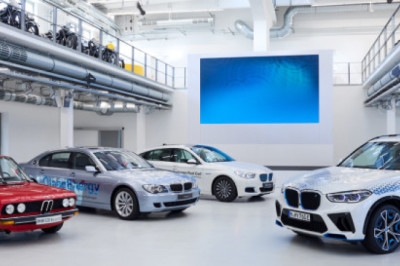

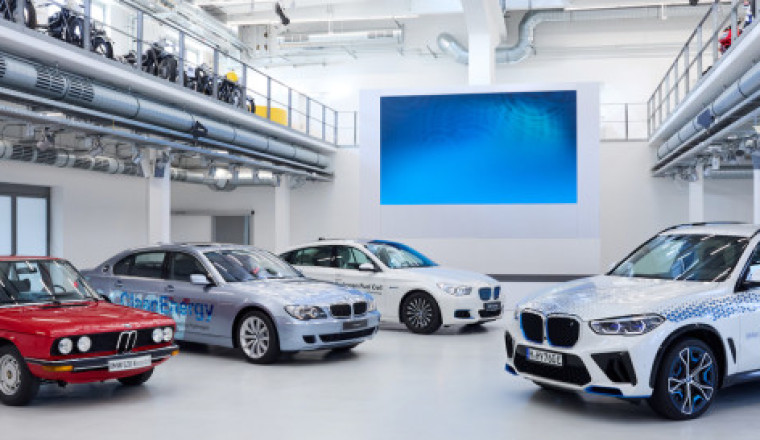

BMW engineers have solved a problem that has frustrated automakers since hydrogen fuel cells entered the conversation. They built both hydrogen and electric versions of the iX5 SUV on the same production line, sharing 70% of components between powertrains that were once considered incompatible.
The breakthrough came during BMW's pilot production of "a few hundred" iX5 Hydrogen vehicles at their Munich plant between 2022 and 2023. While other manufacturers struggled to reconcile the packaging demands of hydrogen storage tanks with electric battery packs, BMW found a way to make both systems work within identical body structures.
Frank Weber, BMW's Board Member for Development, captured the significance during the program's launch. "The BMW iX5 Hydrogen demonstrates that we can integrate fuel cell technology into our existing vehicle architecture without compromising on performance or packaging," he said. The shared components include the body structure, suspension systems, and interior layouts.
The hydrogen version generates 170 kW of power from its fuel cell system while storing 6 kilograms of hydrogen in two 700-bar carbon fiber tanks. This setup delivers 504 kilometers of range and refuels in four minutes. The electric iX5 uses the same fundamental platform but swaps hydrogen storage for battery packs in carefully designed spaces.
BMW's achievement builds on a decade-long partnership with Toyota that began in 2013 and was renewed in 2020. The collaboration focused on fuel cell technology development, with both companies recognizing that hydrogen's viability depended on solving the integration challenge that BMW has now addressed.
Like this? Get the app: iOS | Android
The timing reveals BMW's cautious approach to hydrogen commercialization. Despite proving the technology works, the company announced in March 2023 that series production would not begin before 2030. The delay stems from insufficient hydrogen refueling infrastructure rather than technical limitations.
Cost remains the most significant barrier. BMW estimates that hydrogen fuel cell systems cost ten to fifteen times more than battery electric systems due to low production volumes. The shared platform approach addresses this challenge by spreading development costs across both powertrain types and enabling manufacturers to respond to market demands without separate production lines.
The Munich plant's ability to switch between hydrogen and electric production represents a hedge against uncertain consumer adoption patterns. If hydrogen infrastructure develops faster than expected, BMW can increase fuel cell production. If electric demand surges, they can pivot without retooling entire facilities.
Other manufacturers have attempted similar integration projects but failed to achieve BMW's level of component sharing. The 70% commonality between powertrains suggests that hydrogen vehicles could become economically viable without requiring dedicated platforms that would demand massive upfront investments.
BMW's breakthrough transforms hydrogen from a niche technology requiring specialized production into a flexible option that can coexist with electric powertrains. The question now shifts from whether automakers can build hydrogen cars profitably to whether anyone will build the infrastructure to fuel them.
Sources: BMW Group press release, BMW development announcements 2023