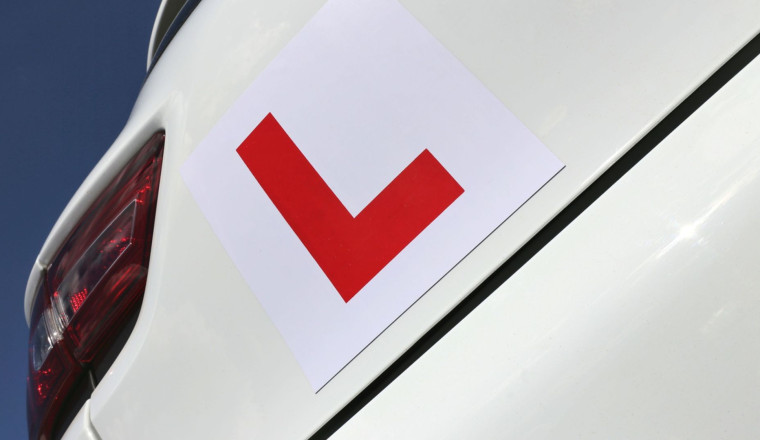

Learning to drive? If so, being fully prepared to take your test has never been more important. The average waiting time for a driving test in the UK is currently around 20 weeks. That means passing first time is crucial if you want to avoid waiting around for months between each attempt.
The UK’s largest pre-17 driving school, Young Driver, has delivered 1.6 million lessons to youngsters aged nine and upwards, helping them to establish their skills behind the wheel. Our Tim Pitt’s 14-year-old son Thomas was among them – read about his Young Driver experience here.
We asked a selection of Young Driver’s 430 government-approved instructors to share their best nuggets of advice for learner drivers. Their top 10 tips are revealed below.
Everyone is different, and we all require a different number of driving lessons to be test-ready. It’s impossible for your instructor to predict at the start of your training how many lessons you will need. And yes, more lessons inevitably means greater expense, but damaging your car through a lack of experience could end up costing much more.
It might take a while to get a spot with the instructor you’d like to learn with. Research by Young Driver found two thirds of UK driving instructors have a waiting list – and some of these were longer than six months. Approach the person or driving school well in advance to see if you can reserve a place.
Begin studying before you start your practical lessons and make sure you are actually absorbing what’s on the page or screen. The Highway Code is not just a boring bit of paperwork – you need this knowledge to become a good driver. Too many learners believe they can ‘wing’ the test and are surprised when they fail it. Sometimes, even if they do pass, they still don’t know enough detail to drive well, as their focus has been on passing the exam, not on understanding it.
Use an app such as Young Driver Theory & Practice to do mock exams and hazard perception tests on repeat. You can even watch a series of 360-degree virtual driving lesson videos to help build on practical experience.
Focus on your own actions. The majority of mistakes made by students are because they rush to avoid delaying traffic behind them. Other drivers will have to adapt – everyone was a learner once, after all.
It’s important to realise how dangerous impatient or aggressive attitudes behind the wheel can be. As the poster says, keep calm and carry on.
Everyone’s parent has a tale of how they only took five lessons to pass their test. That may be the case, but times change and everyone is different. The average is now 45 hours of lessons. Private practice will be key, so make sure you have a friend or family member who can take you out as often as possible.
You can also start learning before you’re 17 years old via schemes like Young Driver. This gives you the opportunity to learn the basics of changing gear, steering and braking from age nine, without the pressures of being on a real road. It’s a useful head-start that will hopefully reduce the number of lessons you need when you reach 17.
There is still a lengthy wait for driving tests in most regions across the UK. Your instructor can advise on how to secure a test, but our best advice is not to book a test before you’re ready. It’s a pointless exercise and only adds to the queues.
When you’re in a car with another driver, use that time to learn about driving through careful observation. For those who have spent every car journey prior to turning 17 with their eyes glued to a phone screen, it can be a struggle to read other traffic, especially at roundabouts and junctions. It’s easy to tell those who have taken an interest, as they pick up observation skills reasonably quickly.
You don’t need to overtake or push your way out, or rush to get through a traffic light. Even if a car in front is going slower than you’d like, you don’t have to overtake them. Don’t be pressured into taking risks behind the wheel. It’s just not worth it.
While you’re still learning, you’re building up the experience to learn how to judge such situations. But in general, always play it safe. Driving experience takes years to build up – and there is always more to learn. Also, even highly accomplished drivers can get it wrong, sometimes with disastrous consequences.
As a driver, you need to be able to make sensible decisions for yourself, which is very different to the risk-taking mentioned above. Working on your confidence so that you feel happy to make decisions behind the wheel is vital.
Occasionally, you might be pushed out of your comfort zone – by an emergency vehicle approaching at speed, for example. However, if you are not happy to take responsibility for your own actions, you are not ready to drive a car.
Congratulations, you have passed your test. The open road and a lifetime of driving freedom awaits. Always remember, though: a driving licence is a privilege, not a right. Treat it as such.
ALSO READ:
Young Driver training tested: helping kids be safer on the road
PalmerSport review: the ultimate, high-adrenaline driving day
The best new cars to buy in 2026
Retro-inspired Jeep Wrangler 85th Anniversary Edition launched
How and when to use your car fog lights
Stylish Mazda CX-6e electric SUV revealed ahead of UK launch
Alfa Romeo reveals limited edition Giulia Quadrifoglio Luna Rossa