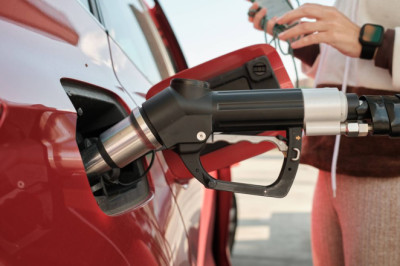


A government minister has expressed his belief that a new rule will 'make a big difference' when it comes into force on April 1, 2026. Keir Mather, the minister for decarbonisation, stated that an increase in a grant towards the cost of installing a home electric car charger would cover 'almost half the cost', encouraging more individuals to transition to EVs.
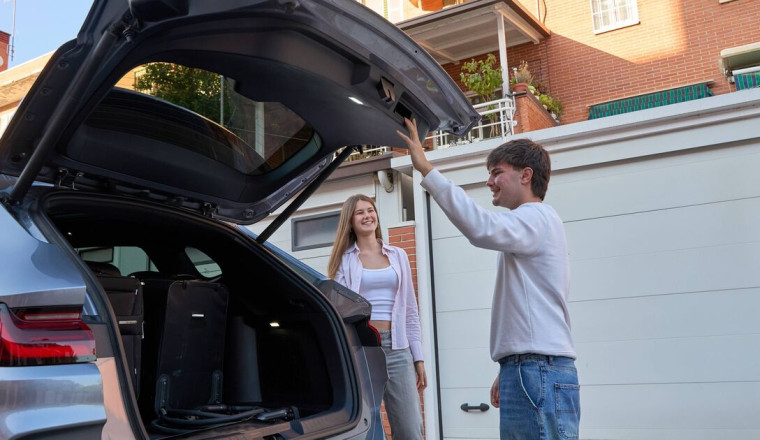
From the beginning of April, the grant will rise to £500, up from the current £350. It is accessible to virtually everyone - homeowners, renters, landlords, businesses and flat dwellers, regardless of whether they have a driveway or not.
On Wednesday, BBC Radio 4's You and Yours programme reported that the Government's goal is for 80 per cent of new cars sold in the UK to be electric - last year the figure was 23 per cent. Mr Mather was questioned about the impact he believed the grant increase would have.
He responded: "We think it will make a big difference. We are working as hard as possible so that as many people as possible can make the switch to an electric vehicle, but we can only do that if we make it cost-effective to charge from home.
"So by uplifting this grant from £350 to 500, that's going to cover almost half the cost of the typical install of a charge point, about 42% of the cost. But the important point is installing those charge points unlocks those massive cost savings that you can get through home charging of around 2p a mile.
"So that's the equivalent of driving from London to Birmingham for about £3.50. We want as many people as possible to be able to access that, and that's why we're extending the grant today."
For properties with driveways, fitting an EV charger is typically uncomplicated. However, residents in houses without off-street parking may question how they can benefit from the scheme.

The programme featured listener Richard Tanner, a retired Methodist minister from Worthing who faces this predicament.
He said: "I would be interested in buying an electric vehicle, not immediately, but for my next vehicle whenever that comes about, if there were the facilities to operate one.
"The houses along this street don't have their own driveways. There is permit parking on the street, so I can't guarantee that they can even park outside the house. So that makes, as far as I'm concerned, an electric vehicle out of the question at the moment.
"Using public charging spaces is not only much more expensive, but it's inconvenient because you've got to take the vehicle there and wait for the thing to charge. The ideal is to be able to charge it overnight at home.
"If you can't do that, it doesn't make any sense. There are a couple of neighbours who have managed to get drop-down curves so that they've been able to park their vehicles outside their house and they are using electric chargers.
"But the council no longer allows any more drop-down curves. I think the only thing that I can think of for people in my situation without a driveway is some sort of public charging points - and quite a lot of them - that were charging at something near a domestic rate."
In response, Mr Mather said: "I think Richard has made some really important points there. One, the importance of home charging, which not everyone can benefit from at the moment, but also the fact that this needs to be convenient to people, if we're going to encourage them to make the switch to an EV, that's why this grant is specifically targeted to people who might need more help than others to make the switch to EVs.

"So that's people living in flats and rented accommodation as well as homes without driveways, making sure that they can unlock those cheap costs. As Richard said, being able to charge overnight is going to make a massive difference in terms of the overall cost - and we think that you can save up to £1,400 compared to running a petrol car over the course of the year if you can access home charging.
"We want as many people as possible to be able to benefit from those changes, that's why this grant is focused to people like Richard who need it most and need to be charging at home as well."
One significant obstacle for those contemplating the switch to an EV is the expense of public charging, which costs considerably more than charging at home. When questioned about Mr Tanner's suggestion for more affordable public chargers, the minister confirmed a review is currently taking place.
He explained: "We're looking at the energy costs and the kind of wider contribution contributors prices are high and we're looking at options to lower them further. We've also announced £600million to accelerate the rollout of the ChargePoint network on top of delivering 100,000 more chargers with councils.
"So we want it to be the case that wherever you go, you don't have that anxiety that you won't be able to find a public charger. We want to make it cheaper by increasing supply, but also making sure that we review those public charging prices.
"But there is an important point there that you made about charging gullies because that is going to be a really important way for people who have on street parking people to access those home benefits. We've got a separate scheme of £25million for the kind of cross pavement solutions like the ones that Richard references.
"But we're also cutting red tape by proposing to remove some of the planning permission requirements so that residents can install these much easier to run cables from their homes and we think that could unlock savings of up to £250."
One of the reasons why public charging is significantly pricier is due to the 20 per cent VAT applied, in contrast to home energy which is taxed at just five per cent VAT. When questioned about this issue, Mr Mather responded.
He said: "Well, we're kind of reviewing public charging prices in the round. As I said, we're looking at the energy costs, but also wider contributors.
"But I think, actually, the primary barrier for people deciding to make that switch and it's also important to note that nine in ten people, once they've got their EV, don't want to switch. But, really, it's that upfront cost that we think is posing a major barrier.
"So that's why if you can install that charge point at home with almost half of the cost through this new grant, or you can benefit from the Government's electric car grant where you can get about £3,750 off the cost of a wide range of models.
"It's that initial cost that we want to make lesser for people. They get over that boundary and then they're able to access those real benefits, either from home charging or being able to use their EV right around the country with an expanded charging network."