Whether you're looking for expert automotive reviews or a spicy take on autonomous tech, you've come to the right place. From vintage superbikes to modern jet fighters, we are obsessed with the cult of cars and everything that moves you.




Love's was founded in 1964 by Tom and Judy Love and remains a family-owned business. It has since turned into an archetype of the one-stop shop for travelers.
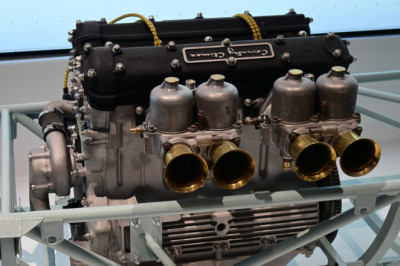
How did a portable fire pump engine become a dominant force in Formula 1? Read the fascinating story of the legendary Coventry Climax racing engine.
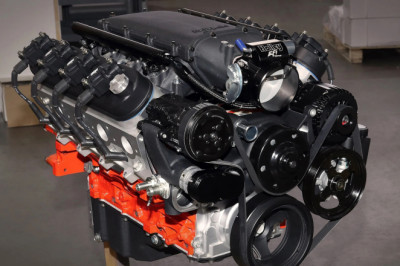
Roller tappet cams use rollers, so they wear less, but they're more complex and more expensive than simple flat tappet cams.
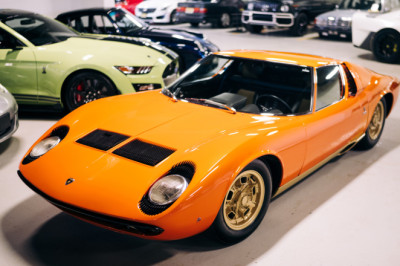
So you've inherited a classic million-dollar car? Great, but but prepared for the brutal reality of taxes, probate, and storage costs.

Swappable paint, spoilers, and wheels are kind of a given, but "Clutch" lets you put stuff like trash and clothes all around the interior of your race car.
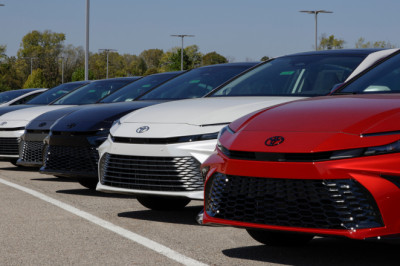
While vehicles from Toyota have an excellent reputation for retaining value, not everything the company puts out is a guaranteed hit. Here are two examples.
In some states, some or all manufacturers are allowed to sell direct to consumers, while others outlaw the practice altogether.
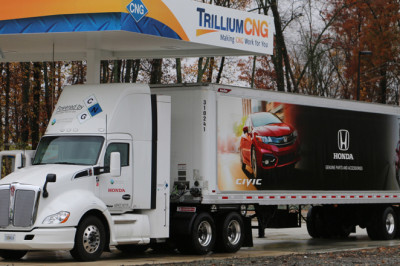
Gasoline is a liquid fuel created from crude oil, while compressed natural gas (CNG) offers cleaner and cheaper power but requires a special tank. and engine.
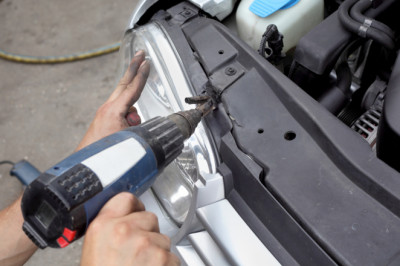
Like metal, plastic can be welded. But when is it better to use adhesive instead and how do you know which repair method is right for your car?
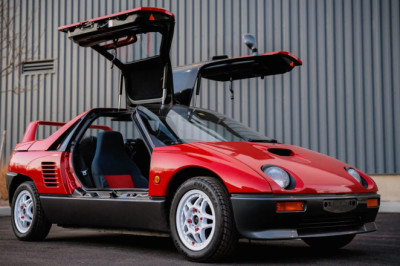
The "Japanese Bubble Economy" symbolized a time when wealth and ingenuity almost had no limits, except for when it eventually did and it crashed hard.
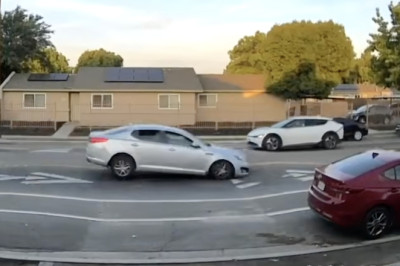
It's been four years since Speed Bump Olympics posted its first video showing negligent drivers catching air, but drivers still haven't learned their lesson.

When a camshaft or crankshaft sensor fails, the engine can run rough or drink fuel faster than expected. It can have problems starting, too.
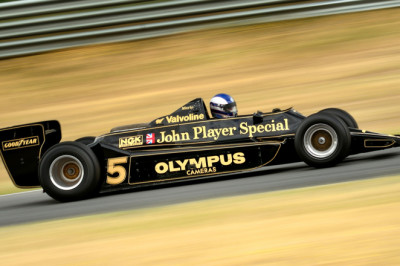
After the '70s, ground-effect tech transformed F1, while mass-market cars started featuring sleeker bodies and Kammback tails to improve their fuel economy.

Is the Formula Z Performance Z-pipe worth it, and how does it compare to an X-pipe? Well, the marginal horsepower gains may not justify the price.
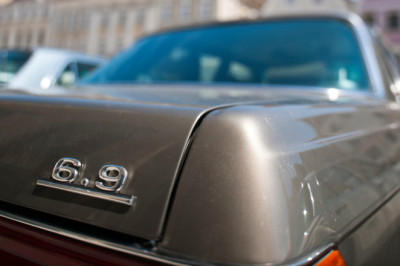
The 6.9-liter S-Class didn't reach the U.S. until the late 1970s, but it was immediately among the fastest sports saloons available.